 Birch Bay Siding
 Board & Batten Siding Built for Sumas Weather, Not Just Sumas Looks
Board and batten has become one of the most requested siding styles for homes in and around Sumas — the vertical lines read as modern farmhouse on a new build and as a clean, honest upgrade on an older home. But in this part of Whatcom County, board and batten has to do more than look good. It has to shed driving rain off wide, exposed vertical joints, resist a moss season that runs most of the year, and hold up under salt-laden air that eats cheap fasteners and coatings faster than homeowners expect. We install board and batten siding for Sumas-area homes with that reality built into every decision, not as an afterthought once the panels are already on the wall.
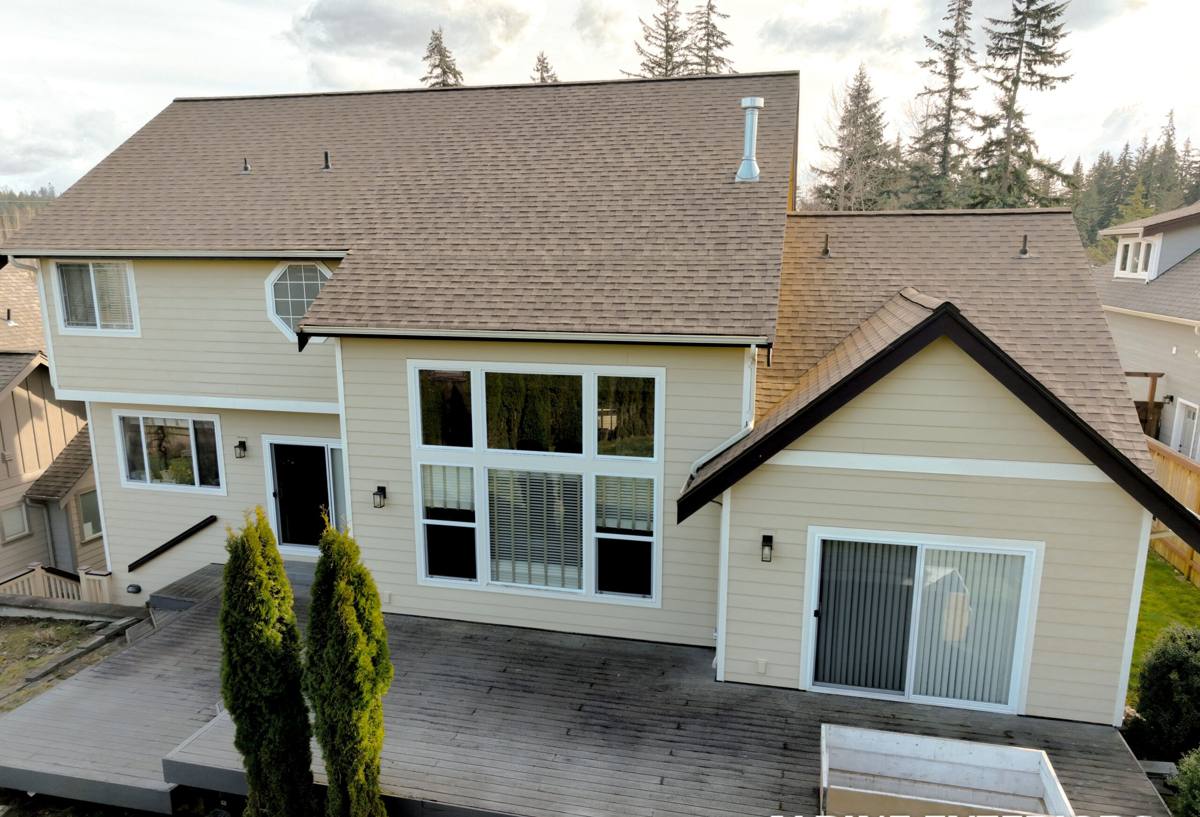
What Whatcom County Weather Actually Does to Vertical Siding
Board and batten looks simple — wide panels, narrow battens covering the seams — but that simplicity hides more water-management complexity than lap siding. Every vertical seam is a potential path for moisture if it isn't detailed correctly, and this region gives that path plenty of opportunities to matter.
Salt Air and Coastal Exposure
Homes closer to the water deal with airborne salt that accelerates corrosion on fasteners, flashing, and any metal trim. Over years, that corrosion can loosen battens, stain finishes, and open small gaps that let water behind the siding. Material choice and fastener quality matter more here than in inland climates.
Driving Rain and Wind-Driven Moisture
Storms off the Strait push rain sideways, not straight down. Vertical siding profiles like board and batten catch that wind-driven rain differently than horizontal lap siding — water runs down the face of the boards and wants to find its way under the battens at every seam. If the underlying weather-resistive barrier, flashing, and fastening pattern aren't right, that water gets behind the cladding.
A Long Moss and Mildew Season
Shade, moisture, and mild temperatures for much of the year add up to conditions moss and mildew thrive in. Siding that holds moisture at the surface — through absorbent substrates, poor drainage gaps, or coatings that break down — gives moss more to grab onto and gives mildew a longer season to work in.
What a Correct Board & Batten Installation Involves
Board and batten is often treated as a cosmetic upgrade — pull off the old siding, nail up new vertical boards, done. That approach is exactly how vertical siding fails early in a climate like this one. A correct installation is a water-management system first and a style choice second.
Substrate and Weather-Resistive Barrier
Before any siding goes up, the wall needs a continuous, properly lapped weather-resistive barrier and, ideally, a drainage gap behind the cladding. This gap lets any moisture that does get past the siding drain and dry instead of sitting against the wall sheathing.
Board Layout and Batten Spacing
Panel width, batten spacing, and fastener placement all affect how the wall performs, not just how it looks. Battens need consistent spacing over structural framing wherever possible, and expansion gaps need to be sized correctly for the material — fiber cement moves differently than wood, and installers who don't account for that end up with cracked boards or popped fasteners within a few seasons.
Flashing and Water Management Details
Every window, door, corner, and roofline intersection on a board and batten wall is a place where water wants to find a way in. Correct head flashing, kick-out flashing at roof-wall intersections, and properly sealed (not just caulked) penetrations are what actually keep a vertical siding system dry over the long term — this is the part of the job that doesn't show up in a walkthrough but shows up in a moisture problem five years later if it's skipped.
Why We Install Only James Hardie Fiber Cement for Board & Batten
We install James Hardie fiber cement exclusively — we don't offer vinyl, LP SmartSide, primed spruce, cedar, or other fiber cement brands for board and batten work. That's a deliberate standard, not a limitation on selection.
Fiber cement is dimensionally stable and non-combustible, which matters on a vertical profile where wide boards see real temperature and moisture swings across their face. James Hardie's HZ5 product line is engineered specifically for Pacific Northwest conditions — cold, wet winters and moss-friendly humidity — rather than a one-size-fits-all national spec. The factory-applied ColorPlus finish is baked on under controlled conditions, which gives it far better resistance to fading, moisture intrusion at the finish layer, and the kind of chalking that field-applied paint develops over time. That matters directly for moss and mildew resistance, since a finish that holds up doesn't give organic growth as much surface texture to cling to.
Wood and primed spruce board and batten can look excellent on day one, but they depend entirely on the homeowner keeping up with repainting and caulking on a strict schedule — miss a cycle in a wet climate and rot risk climbs fast. Vinyl board and batten is low-maintenance but can warp or fade under UV and temperature swings, and its long vertical seams are harder to keep consistently tight over time. We'd rather put one product on a wall that we know performs to spec here than offer several options and hope the homeowner never has to find out which one was the wrong call.
Comparing Board & Batten Materials for This Climate
| Material | Moisture Resistance Here | Fade/Finish Life | Maintenance Burden |
|---|---|---|---|
| James Hardie Fiber Cement (HZ5) | Engineered for wet, humid PNW conditions | Factory ColorPlus finish holds color for years | Occasional wash; no repainting cycle |
| Vinyl | Doesn't rot, but seams and joints can loosen over time | Fades with UV exposure; can't be repainted easily | Low, but limited repair options if damaged |
| Cedar / Wood | Absorbs moisture; needs a sound finish to perform | Field-applied finish degrades faster in wet climates | High — regular repainting and caulk maintenance |
| LP SmartSide (engineered wood) | Treated strand substrate, but edge and cut-end sealing is critical | Factory finish, moderate lifespan | Moderate — edge maintenance matters |
What Board & Batten Actually Costs to Do Right
Board and batten pricing depends on more than square footage. The factors below are what actually move the number on a Sumas-area home.
| Cost Factor | Why It Matters |
|---|---|
| Wall complexity | Dormers, gables, and multiple roof intersections add flashing and cutting time |
| Existing siding removal | Tear-off, disposal, and sheathing inspection add labor before new siding starts |
| Substrate repair | Any rot or moisture damage found underneath must be fixed before new siding goes on |
| Batten spacing and reveal | Tighter, more detailed spacing patterns take more layout and fastening time |
| Trim and corner detailing | Custom corner boards and window trim add material and labor |
We give homeowners an honest, itemized estimate rather than a flat per-square-foot number, because two board and batten jobs of the same size can require very different amounts of work once you look at the actual wall.
Our Process on Sumas-Area Board & Batten Projects
- On-site inspection — we walk the exterior, check existing siding and sheathing condition, and look at drainage, roofline intersections, and sun/shade exposure specific to your lot.
- Measurement and material plan — we lay out board width, batten spacing, and trim details, and confirm the James Hardie HZ5 panel and ColorPlus color selection.
- Substrate prep — any damaged sheathing gets repaired, and a continuous weather-resistive barrier goes on before siding starts.
- Installation — boards and battens go up with correct fastening, expansion gaps, and flashing at every window, door, and roof intersection.
- Final walkthrough — we review the finished work with you and confirm everything meets spec before we call the job done.
Why a Crew That Already Works This Area Matters
Board and batten installed to a generic national spec doesn't automatically perform in Whatcom County conditions. A crew that already works Sumas and the surrounding area knows which walls take the worst of the driving rain, which rooflines tend to create ice and moisture buildup in winter, and how much drainage gap and flashing detail actually holds up through a wet season here rather than in a drier climate the manufacturer's default spec was written for. That local pattern recognition is the difference between a board and batten install that looks right at handoff and one that still looks right in ten years.
Keeping Board & Batten Siding in Good Shape
James Hardie board and batten is low-maintenance, not no-maintenance. A few simple habits go a long way in this climate:
- Rinse the siding once or twice a year to clear salt residue, pollen, and early moss growth before it takes hold
- Trim back landscaping and tree limbs that keep any section of wall shaded and damp
- Check caulking at windows, doors, and trim joints annually and have gaps resealed before they open further
- Look at ground-level boards for splashback staining and correct grading or downspout issues that cause it
- Have battens and fasteners checked periodically for any looseness, especially after severe wind events
Get a Straight Answer for Your Home
Every wall in Sumas faces this climate a little differently depending on exposure, shade, and roofline. If you're weighing board and batten siding, we're happy to take a look at your home, walk you through what correct installation involves, and give you a straightforward, no-pressure estimate — no upsell to a product we don't actually stand behind.