 Birch Bay Siding
 Siding Built for California Creek's Coastal Climate
California Creek sits close enough to the water and open enough to the weather that it asks more of a home's siding than most inland Whatcom County neighborhoods do. Homes here take on salt-laden marine air, long stretches of driving rain off the water, and a moss and mildew season that can run most of the year. Siding that would hold up fine twenty miles inland can start failing early out here — not because it's a bad product everywhere, but because it wasn't built for this specific mix of moisture, salt, and shade.
This page covers siding replacement specifically for California Creek homes: what the local climate actually does to siding over time, what a correctly done replacement involves, and why we've standardized on one product system instead of offering a menu of options that don't all hold up the same way out here.
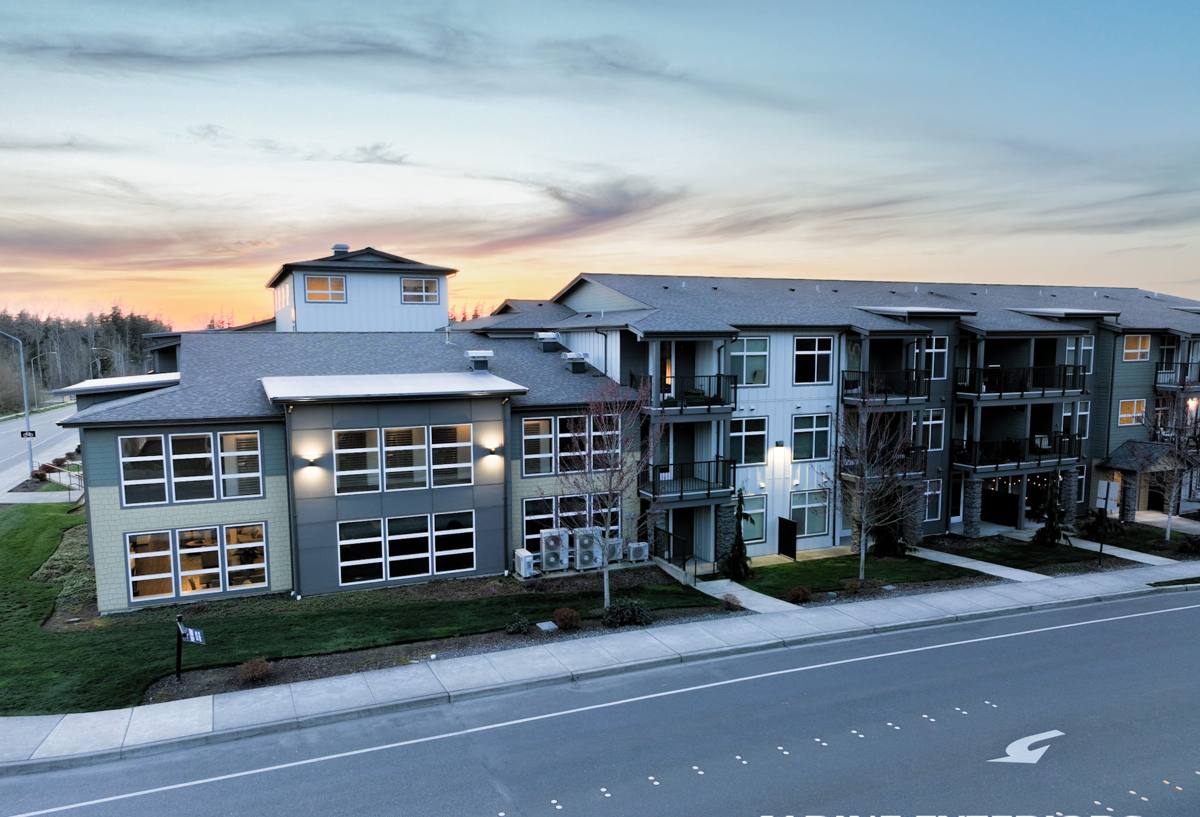
What Salt Air, Driving Rain, and Moss Season Do to Siding
Salt Air and Corrosion
Proximity to Birch Bay and the Strait of Georgia means California Creek homes are exposed to airborne salt more than a typical Whatcom County property. Salt accelerates corrosion of fasteners, trim, and any metal flashing components, and it can degrade certain siding finishes faster than the manufacturer's rating sheet suggests if the product wasn't engineered with coastal exposure in mind. This is a slow, cumulative process — the damage shows up years later, after it's already hard to reverse.
Wind-Driven Rain and Water Intrusion
Rain that falls straight down is fairly easy for any siding system to shed. Rain that's being pushed sideways by wind off the water is a different problem — it finds gaps at laps, seams, and penetrations that a calmer climate would never test. Once water gets behind siding, what happens next depends entirely on the materials underneath: the weather-resistive barrier, the flashing, and the siding's own tolerance for repeated wetting.
A Long Moss and Mildew Season
Shaded, tree-lined lots combined with persistent coastal moisture give moss and mildew a long growing season in California Creek — often nearly year-round on north-facing walls and anywhere tree cover blocks the sun. Moss holds moisture against the siding surface, and on materials that aren't dimensionally stable or properly finished, that constant dampness is what triggers swelling, cracking, or paint failure well ahead of schedule.
Signs a California Creek Home Needs Siding Replacement
Because these climate stresses build slowly, many homeowners don't realize how much damage has accumulated until it's visible from the street. Here's what we look for during an inspection, and what you can check yourself:
- Soft, spongy, or crumbling spots when you press on the siding, especially near the bottom courses and around windows
- Paint that's peeling, bubbling, or wearing unevenly, particularly on shaded or north-facing walls
- Persistent moss or dark streaking that keeps returning within weeks of cleaning
- Visible cupping, warping, or buckling boards
- Gaps opening up at seams, corners, or where siding meets trim, windows, or doors
- Rust staining below nail heads or fasteners
- A musty smell or rising energy bills that suggest moisture or air leaks behind the wall
- Siding that's original to a home built more than 20–25 years ago and has never been fully replaced
Any one of these can be a minor fix. Several together, especially on a home exposed to the open water side of the property, usually point to a replacement being the more honest long-term answer than another round of patching.
Why We Only Install James Hardie Fiber Cement
We install James Hardie fiber cement siding exclusively. We don't install vinyl, LP SmartSide, Cemplank, Allura, primed spruce, or cedar, and we think California Creek homeowners deserve to know why before they decide what goes on their walls.
Each of those alternatives has real strengths — vinyl is inexpensive and low-maintenance in mild climates, engineered wood products install quickly, and cedar has a natural look plenty of people love. But in a marine, high-moisture, moss-prone environment like this one, they each come with trade-offs that matter more here than they would inland: vinyl can warp or become brittle with UV and temperature swings and offers little in the way of impact or fire resistance; engineered wood siding relies heavily on maintaining its factory seal, and any breach lets moisture into the wood substrate; cedar is a natural, moisture-absorbing material that demands ongoing refinishing to perform, especially in a climate that rarely lets it fully dry out.
James Hardie fiber cement is cement, sand, and cellulose fiber — it doesn't rot, it isn't a food source for moss or mildew the way wood-based products can be, and it's non-combustible, which matters more every wildfire season in Washington. Hardie's HZ5 product line is engineered specifically for climates like ours, with freeze-thaw cycling and moisture exposure built into the testing. The factory-applied ColorPlus finish is baked on under controlled conditions and backed by a longer, better-structured warranty than field-applied paint typically gets. It's a product built to actually perform in the conditions California Creek homes face, not just look good on install day.
What a Correct Siding Replacement Job Involves
The Weather-Resistive Barrier and Flashing
The siding itself is only part of the system. Underneath it, a continuous weather-resistive barrier and correctly lapped flashing at every window, door, and penetration are what actually stop wind-driven rain from reaching your sheathing. This is the layer that gets skipped or rushed on lower-quality jobs, and it's also the layer you can't see once the siding goes back on — which is exactly why it has to be done right the first time.
Fastening and Clearances
James Hardie has specific fastening patterns, nail types, and clearance requirements — including gaps at the ground, roofline, and any horizontal trim — that exist to keep water moving away from the wall assembly instead of pooling against it. Skipping these details doesn't void a warranty on paper right away, but it does compromise the exact protection the product is designed to provide.
Trim, Caulking, and Finish Details
Corner boards, trim, and joints need to be treated with the same care as the field siding. In a salty, wet climate, a poorly caulked joint or an unsealed cut edge is often where the first real damage starts, years before it's visible from the curb.
Comparing Siding Options for Coastal Whatcom County Homes
| Material | Moisture & Salt Air Tolerance | Moss Resistance | Typical Maintenance |
|---|---|---|---|
| James Hardie Fiber Cement | Engineered for coastal/marine exposure (HZ5) | Not a food source; resists moisture damage | Occasional wash; no refinishing needed for years |
| Vinyl | Can warp or become brittle with temperature swings | Grows moss on shaded, damp surfaces | Low, but limited repair options if damaged |
| LP SmartSide / Engineered Wood | Depends on unbroken factory seal staying intact | Vulnerable if moisture reaches the wood substrate | Seal integrity must be monitored over time |
| Cedar | Absorbs moisture; slow to dry in shaded, humid spots | Prone to moss and mildew without upkeep | Regular refinishing/sealing required |
Our Siding Replacement Process, Start to Finish
1. On-Site Assessment
We start with a walk-around of the home, checking existing siding, trim, flashing, and any soft or damaged areas, paying particular attention to walls exposed to prevailing wind and rain and to shaded, moss-prone sides of the house.
2. Tear-Off and Sheathing Check
Once old siding comes off, we inspect the sheathing underneath. Any rot or water damage found at this stage gets addressed before anything new goes on — covering up a compromised wall assembly just hides the problem for the next owner to find.
3. Weather Barrier and Flashing Installation
A new, continuous weather-resistive barrier goes on along with properly lapped flashing at every window, door, and penetration, set up to shed water down and out, not into the wall.
4. James Hardie Installation to Manufacturer Spec
Siding goes on following James Hardie's fastening, clearance, and joint-treatment specifications, not shortcuts. This is what protects both the product's performance and its warranty.
5. Finish Work and Cleanup
Trim, caulking, and paint touch-up (where applicable) get finished out, and the site is cleaned of debris and old material before we walk it with you.
Why Hiring a Crew That Already Works in California Creek Matters
A contractor who mainly works drier, inland parts of Washington may never have had to think hard about wind-driven rain angles, salt exposure, or a moss season that barely stops. Crews who regularly work Birch Bay and the surrounding Whatcom County coastline see these conditions repeatedly, and it shows in the details — where flashing gets extra attention, how clearances are handled near grade, and which walls get flagged for closer inspection during the estimate. That familiarity doesn't replace doing the job to spec, but it does mean fewer surprises and fewer callbacks down the road for a home in a climate like this one.
If you're weighing a siding replacement for a California Creek property, we're happy to take a look and give you an honest read on what your home actually needs — no pressure, no inflated scope. Reach out for a free estimate using the form below.