 Birch Bay Siding
 Exterior Work Built for Blaine's Coastline
Blaine sits right up against the water at the top of Whatcom County, close enough to Birch Bay and the Salish Sea that the weather off the coast shapes almost everything about how a house ages here. Homes in this area deal with a specific combination of stressors: salt-laden air blowing in off the water, driving rain that comes in sideways during winter storms, and a moss and mildew season that can stretch for most of the year on shaded north- and west-facing walls. We're a local crew that works this stretch of coastline regularly, and we've built our siding, roofing, window, and deck work around what actually holds up out here — not around a generic exterior spec sheet written for a drier climate.
This page covers siding specifically, since it's the exterior component that takes the most direct abuse in Blaine, but the same climate logic runs through everything we install: roofing, windows, and decks all have to handle the same salt, moisture, and moss pressure.
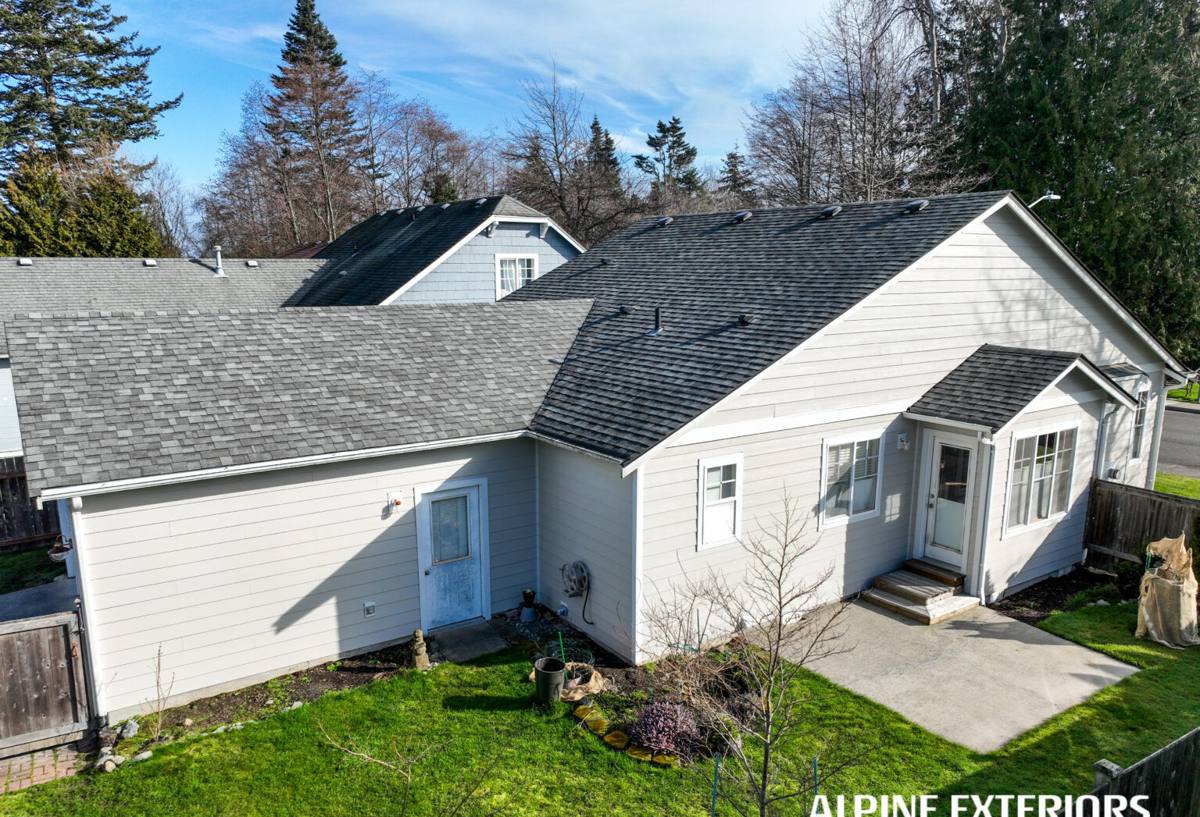
What Blaine's Climate Actually Does to a House
Salt Air and Corrosion
Proximity to salt water means airborne salt settles on exterior surfaces, especially on the side of a house facing the water or open exposure. Over years, that salt exposure accelerates corrosion on fasteners, trim metal, and any siding material that isn't dimensionally stable. It also interacts with paint and coatings, which is why factory-applied, baked-on finishes tend to outperform field-applied paint in coastal zones like this one.
Driving Rain
Storms coming off the water don't just drop rain straight down — wind pushes it sideways into wall assemblies, laps, and seams. That means the quality of the water-management details behind the siding (flashing, house wrap, proper laps, gapping at trim) matters as much as the siding material itself. A product that handles moisture well but is installed with sloppy flashing will still fail in a driving-rain climate.
Moss, Mildew, and Shade
Whatcom County's long wet season, combined with tree cover common in and around Blaine, keeps a lot of exterior wall surfaces damp for extended stretches, especially on north-facing elevations. Moss and mildew growth on siding isn't just cosmetic — on materials that absorb moisture, sustained dampness behind a moss mat can accelerate rot or delamination over time.
Why We Only Install James Hardie Fiber Cement
We made a decision a while back to standardize on James Hardie fiber cement siding and stop installing other materials — no vinyl, no LP SmartSide, no Cemplank or Allura, no primed spruce or cedar. That's not a marketing position, it's a practical one built around what we see in this climate:
- Non-combustible: fiber cement doesn't contribute fuel to a fire the way wood-based products can, which matters as regional wildfire risk gets more attention even in wetter western Washington counties.
- Dimensionally stable in wet-dry cycling: Hardie's fiber cement doesn't swell, cup, or crack the way engineered wood siding can when it takes on repeated moisture exposure from driving rain.
- Factory-baked ColorPlus finish: the color coat is cured at the factory under controlled conditions, which holds up better against salt air and UV than most field-applied paint jobs, and it comes with its own finish warranty.
- Climate-engineered product lines: Hardie makes region-specific formulations (their HZ5 line is engineered for climates with more moisture and freeze-thaw exposure), so the product going on the wall is matched to the Pacific Northwest rather than a national average spec.
- Strong, transferable warranty: a warranty that holds up and transfers to a new owner adds real resale value, which matters in a market like Blaine's where buyers are often paying close attention to exterior condition on a coastal property.
We're not going to tell you vinyl or LP SmartSide are junk products — they're not, and plenty of homes around the country wear them fine. But for this specific coastline, with this specific rain and salt exposure, we don't think they're the right long-term bet, and we'd rather turn down a job than install something we don't believe will hold up here.
Siding Options We Install
| Product | Best Use | Why It Fits Blaine |
|---|---|---|
| HardiePlank lap siding | Most home styles, full re-sides | Classic look, factory finish resists salt-air fading and moisture cracking |
| HardiePanel vertical siding | Modern builds, accent walls, gable ends | Clean lines, holds up well on exposed wind-facing walls |
| HardieShingle | Accent gables, coastal cottage styles | Textured look without the moisture issues of real wood shingle |
| HardieTrim | Corners, window and door trim, fascia | Won't rot or absorb water at the joints where driving rain concentrates |
Color Considerations for Coastal Exposure
ColorPlus finishes come in a range of coastal-friendly tones, and we usually walk homeowners through which finishes tend to show salt residue and water spotting least on water-facing elevations. Darker colors can show mineral buildup from salt spray more visibly than mid-tones; that's a small detail, but it's the kind of thing a crew that works this area regularly will flag before installation, not after.
Installation Details That Matter More Here Than Elsewhere
Fiber cement performs the way it's supposed to only when it's installed to manufacturer spec, and in a driving-rain, high-moisture climate the installation details carry more weight than they would somewhere drier. We pay particular attention to:
- Correct flashing at every window, door, and horizontal trim intersection, since these are the points where wind-driven rain finds its way behind the cladding
- Proper house wrap and drainage plane behind the siding so any moisture that does get past the cladding has somewhere to go
- Manufacturer-specified fastener spacing and gapping, which keeps panels performing correctly through repeated wet-dry cycles
- Clearance at grade and at deck ledgers, since siding installed too close to soil or hardscape holds moisture longer and invites moss growth
- Caulking and sealant choices rated for coastal/marine exposure rather than generic exterior-grade products
Roofing, Windows, and Decks in Blaine
Roofing
The same driving rain that stresses siding puts real demands on roof flashing, underlayment, and ventilation. A roof that isn't ventilated well in this climate holds moisture in the attic, which shows up later as trapped condensation or premature wear on sheathing. We look at the roof and siding as one connected water-management system, not two separate jobs.
Windows
Window flashing and sealant integration with the siding plane is one of the most common failure points we find on older Blaine homes during inspections. Replacement windows installed without proper integration into the new siding's drainage plane are a common source of hidden leaks, even when both the window and the siding are decent products on their own.
Decks
Decks attached to the house need ledger flashing that keeps water from tracking back into the wall assembly — a detail that becomes even more important on a property exposed to wind-driven rain. We build and repair decks with the same water-management standard we hold siding to.
Why a Local Crew Matters Here
A lot of exterior problems in Blaine don't show up as a dramatic failure — they show up slowly, as moss creeping up a north wall, a slightly soft spot near a window sill, or paint that's chalking faster on the water-facing side of the house than everywhere else. Recognizing those patterns takes familiarity with this specific stretch of Whatcom County coastline, not a generalized checklist. A crew that works Blaine, Birch Bay, and the surrounding area regularly has already seen how a given elevation, tree line, or wind exposure tends to age a house, and that shapes real decisions: where to focus flashing detail, which elevations need closer moss monitoring, and which color finishes hold up best against salt spray.
What to Ask Before Hiring for Exterior Work in Blaine
- Do they work in this specific coastal area regularly, or is this a one-off job for them?
- Can they explain their flashing and water-management approach in detail, not just the siding brand they're installing?
- Is the fiber cement being installed to the manufacturer's published installation guide, including fastener spacing and clearances?
- What does the warranty actually cover, and does it transfer if the home is sold?
- Are they willing to walk the exterior with you and point out moisture, moss, or trim issues before quoting a job?
Planning a Project
Whether you're dealing with visible moss buildup, aging trim, a leak that's shown up near a window, or you're just planning ahead for a full re-side, it helps to start with a straightforward look at the house rather than jumping straight to a material decision. We look at the whole exterior system together — siding, roofing, windows, and decks — because in a climate like this one, they all affect each other.
If you're a homeowner in Blaine or nearby Birch Bay dealing with exterior wear from the salt air, rain, or moss, we're happy to come take a look and give you a straightforward, no-pressure estimate on what your home actually needs.