 Birch Bay Siding
 Exterior Work in the Terrell Creek Area
Terrell Creek runs through the wooded, low-lying land that feeds into Birch Bay, and the homes scattered along that corridor sit in a slightly different microclimate than houses right on the waterfront. You get less direct salt spray than a beachfront lot, but you make up for it with more tree cover, more shade, and slower-drying siding after a storm rolls through. Combine that with the salt-laden air that blows in off the bay whenever the wind shifts, and you have an exterior environment that punishes the wrong siding choice in ways that aren't always obvious until years five, ten, or fifteen.
We're a Birch Bay-based crew that works this stretch of Whatcom County regularly, which means we've seen how houses near the creek actually age — not in a brochure, but on real jobs. That's the perspective this page is built around.
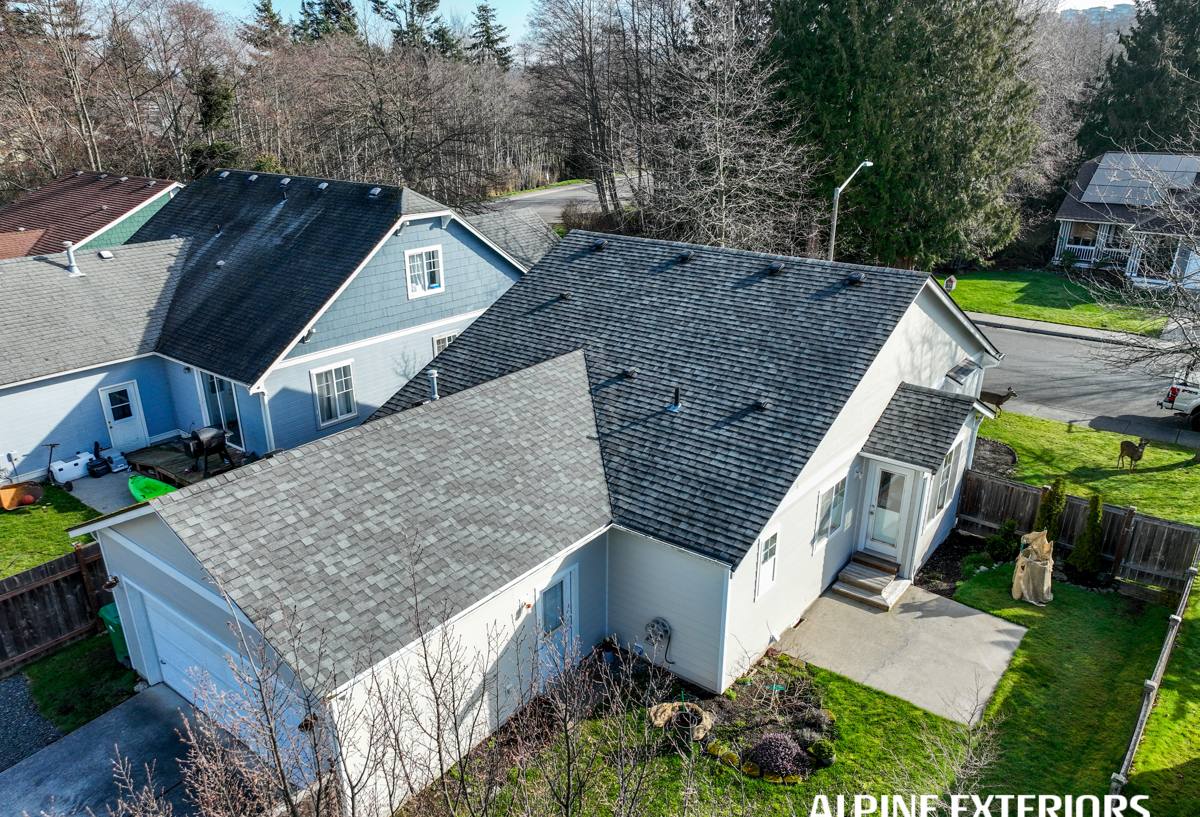
What the Climate Does to a House Here
Salt Air, Even Inland
Salt air doesn't stop at the beach. It travels on wind and settles as a fine residue on any exposed surface, including siding, trim, fasteners, and window hardware a half-mile or more from the water. Over time it accelerates corrosion on unprotected metal fasteners and can degrade paint films and caulking faster than a comparable house farther inland. Homes in the Terrell Creek area still get enough of this exposure that it needs to be part of the material and fastener decisions, even though they're not sitting on the bluff.
Driving Rain
Whatcom County's marine weather brings sustained, wind-driven rain rather than short bursts. That matters more than people expect, because wind-driven rain gets pushed sideways into laps, seams, and trim joints that a straight-down rain would never reach. Siding and flashing details that work fine in a drier climate can fail here simply because they were never tested against water arriving at an angle.
A Long Moss Season
Between the tree cover along the creek and the region's extended damp season, north-facing walls and shaded elevations stay wet longer after every rain. That's exactly the environment moss and algae need to take hold. On the wrong siding material, that growth isn't just cosmetic — it holds moisture against the surface and can accelerate rot or coating breakdown underneath.
Why We Only Install James Hardie Fiber Cement
We made a decision a long time ago to install one siding system on every home we side: James Hardie fiber cement. We don't offer vinyl, LP SmartSide, Cemplank, Allura, primed spruce, or cedar as alternatives, and that's worth explaining honestly rather than just stating it.
Fiber cement is non-combustible, which matters in a state that takes wildfire risk seriously even on the wet side of the mountains. It doesn't feed on moisture the way wood-based siding products can, which is a real advantage in a climate that stays damp for months at a stretch. Hardie's ColorPlus factory finish is baked on under controlled conditions, which holds up to UV and salt exposure more consistently than field-applied paint. And Hardie engineers specific product lines — including HZ5 formulations — for climates like ours, where freeze-thaw cycles, driving rain, and long wet seasons are the norm rather than the exception.
None of that means other products are without merit. Engineered wood sidings can look great and install quickly; vinyl is inexpensive and low-maintenance in mild climates; cedar has a warmth that fiber cement doesn't fully replicate. But wood-based products need more diligent maintenance to keep moisture out of the substrate, vinyl can warp and fade under sustained coastal UV and doesn't hold up well to physical impact, and both come with more variable long-term performance in a wet, salt-influenced environment than we're willing to put our name behind. Hardie is what we've settled on because, installed correctly, it holds its finish, resists moisture damage, and comes with a strong transferable warranty that reflects real confidence in the product.
Siding Material Comparison for This Climate
| Material | Moisture Behavior | Maintenance | Typical Lifespan Here |
|---|---|---|---|
| James Hardie fiber cement | Doesn't absorb and swell; factory finish resists moisture-driven failure | Occasional wash; repaint only when the homeowner chooses to | 30+ years with correct installation |
| Cedar | Absorbs moisture; needs a dry period between rains to perform well | Regular re-staining or sealing; more attention on shaded walls | 15-25 years depending on upkeep |
| Vinyl | Doesn't rot but can trap moisture behind it if installed poorly | Low, but limited repair options if damaged | 20-30 years, shorter with UV/impact stress |
| LP SmartSide / engineered wood | Treated to resist moisture but still wood-based at the core | Caulking and edge-sealing need regular checkups | 20-25 years with diligent maintenance |
Roofing, Windows, and Decks Face the Same Weather
Siding isn't the only exterior system fighting salt air, driving rain, and moss in the Terrell Creek area — it's just the most visible one. We handle roofing, windows, and decks for the same reason we standardized on Hardie for siding: these systems all need to be specified and installed for this specific climate, not a generic one.
Roofing
Moss on a roof isn't just an aesthetic problem — left alone, it lifts shingle edges and holds moisture against the roof deck. Roofs under tree cover along the creek corridor need materials and maintenance habits suited to that shade, and flashing details that account for wind-driven rain the same way siding does.
Windows
Window flashing and sealant are common failure points in coastal Whatcom County homes, usually because the original installation didn't account for wind-driven rain finding its way behind trim. Correct flashing integration between the window and the siding is one of the more important, least visible parts of any window replacement here.
Decks
Decks near the creek deal with shade, damp ground-level air, and the same moss pressure as siding, plus direct foot traffic and weather exposure with no wall cavity to protect the structure underneath. Material choice and proper drainage and ventilation underneath the deck boards matter as much as the boards themselves.
What a Siding Project Looks Like
- On-site assessment of your home's exposure — sun, shade, wind direction, and existing moisture or rot issues
- Removal of old siding and inspection of the sheathing and framing underneath
- Repair of any water damage found before new siding goes on — never siding over a problem
- Installation of a proper weather-resistive barrier and correctly integrated flashing at every window, door, and penetration
- James Hardie fiber cement installed to manufacturer spec, including fastener pattern, clearances, and joint treatment
- Final walkthrough so you understand what was done and how to maintain it
Choosing a Contractor for This Area
Whatcom County has plenty of exterior contractors, but not all of them work this specific stretch of coastline regularly, and that experience shows up in the details — flashing choices, fastener selection, and knowing which elevations of a house need the most attention. A few things worth checking before you hire anyone:
- Ask whether they're a certified James Hardie installer and can explain their fastening and flashing approach, not just hand you a brochure
- Confirm they carry current Washington contractor licensing and liability insurance, and ask to see it
- Ask how they handle water-damaged sheathing if it's found once old siding comes off
- Get a written scope that specifies product lines, colors, and warranty terms — not just a total price
- Ask for references from jobs in Birch Bay or similar coastal Whatcom County settings, not just anywhere in the region
Maintaining Hardie Siding Near Terrell Creek
Fiber cement is low-maintenance, not no-maintenance. In this climate, a little seasonal attention goes a long way toward getting the full lifespan out of the material.
- Rinse siding with a garden hose once or twice a year, focusing on shaded and north-facing walls where moss and algae take hold first
- Keep gutters clear so overflow doesn't run down the siding face repeatedly in one spot
- Trim back tree branches and shrubs that keep a wall damp longer than the rest of the house
- Check caulking at trim and window joints annually and re-caulk if it's cracked or pulling away
- Watch for any soft spots at the base of walls near grade, which usually point to a drainage issue rather than a siding failure
If you're in the Terrell Creek area and want an honest look at what your siding, roof, windows, or deck actually need, we're happy to come take a look. The estimate is free, there's no pressure, and you'll get a straight answer about what your home is facing and what it would take to fix it right.