 Birch Bay Siding
 Cottonwood Beach Homes Take a Different Kind of Beating
Cottonwood Beach sits right up against the water, and that changes what siding has to survive here compared to a house even a mile or two inland. Salt-laden air off the bay works on fasteners, caulk, and paint film year-round, not just during storms. Add Whatcom County's long wet season, wind-driven rain that gets pushed sideways into wall assemblies, and a moss season that can stretch from fall through spring on shaded and north-facing walls, and you've got a combination that shortens the life of a lot of siding products faster than homeowners expect.
None of that means siding replacement here has to be complicated. It means the materials and the installation details matter more in Cottonwood Beach than they would in a drier, more sheltered part of the state. A siding job that would hold up fine in eastern Washington can fail in five or six years on a shoreline lot if the wrong product or the wrong flashing detail is used. This page is about doing it right the first time, specifically for this stretch of Birch Bay.
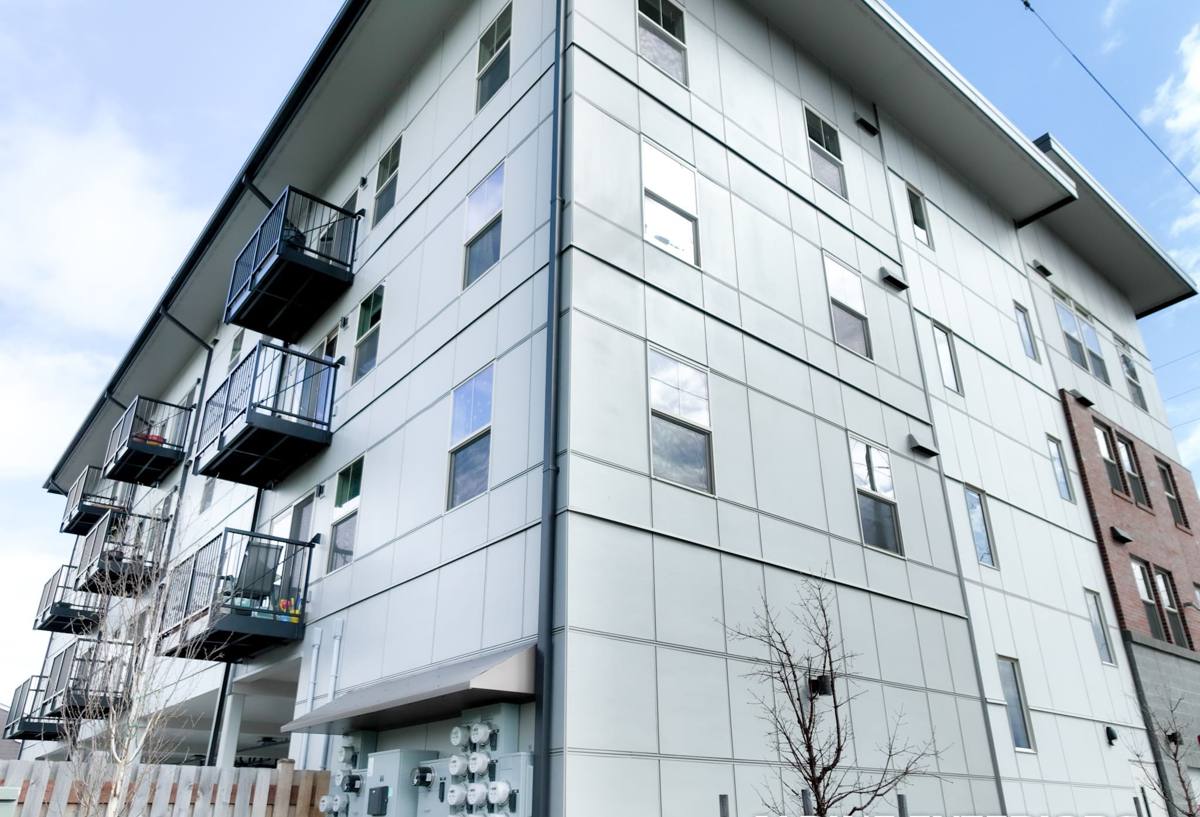
Signs Your Cottonwood Beach Home Is Due for New Siding
Siding failure near the water rarely shows up as one dramatic problem. It's usually a handful of smaller signs that add up. Walk your exterior and look for:
- Soft or spongy spots when you press on the siding, especially near the bottom courses and around window and door trim
- Paint that's chalking, peeling, or bubbling faster than it should, particularly on the sides that face prevailing wind and rain
- Persistent moss or algae staining that comes back within a season or two of cleaning
- Visible warping, cupping, or buckling in wood or engineered wood panels
- Nail pops, cracked caulk lines, or gaps opening up at seams and corners
- A musty smell or discoloration on interior walls that back up to exterior siding
- Rust streaking from fasteners, a common giveaway of salt-air corrosion on older or lower-grade hardware
Any one of these on its own might just need a repair. Several together, especially on a home that's had the original siding for fifteen-plus years, usually means the underlying weather barrier is compromised and it's time to talk about full replacement rather than another round of patching.
What a Correct Siding Replacement Actually Involves
Replacing siding well is not just pulling old material off and nailing new material on. In a marine environment like Cottonwood Beach, most of what determines whether a job lasts happens in layers you won't see again once the new siding is up.
Tear-Off and Sheathing Inspection
Once the old siding comes off, the sheathing underneath gets inspected for rot, delamination, or soft spots, especially around old penetrations and previous flashing failures. This is the point where a lot of hidden moisture damage from the old system gets found and fixed, before it's sealed behind new siding for another few decades.
Weather-Resistive Barrier and Flashing
A new, correctly lapped weather-resistive barrier goes on next, with flashing detailed at every window, door, deck ledger, and roof-to-wall intersection. In a wind-driven-rain climate, flashing is arguably the single most important detail in the whole job — it's the difference between water shedding away from the wall and water finding its way behind the siding.
Fastening and Clearances
Fastener type, spacing, and penetration depth all need to match the manufacturer's specifications for the specific product and exposure. Bottom clearances above grade, decks, and roof lines also matter more here than in a dry climate, since standing water and splashback are more common on waterfront and low-lying lots.
Trim, Caulking, and Finish
The last stage is trim, corner treatments, and sealing the joints that are supposed to be sealed — and only the joints that are supposed to be sealed. Over-caulking a siding system that's designed to shed water, rather than seal it completely, traps moisture instead of keeping it out.
Why We Install Only James Hardie Fiber Cement in This Area
We standardized on James Hardie fiber cement siding for every home we work on, and Cottonwood Beach is a good example of why. It's non-combustible, it doesn't rot or delaminate the way wood-based products can when they take on repeated moisture, and its factory-applied ColorPlus finish is baked on rather than field-painted, which matters a lot in a spot where paint film is under constant salt-air and UV stress.
HZ5 Engineering for This Climate
James Hardie engineers its HardieZone products by climate exposure, and the HZ5 line is built for wetter, harsher conditions like western Washington's. That's not a marketing detail — it affects the product's moisture management and how it's meant to be installed in a region that sees Cottonwood Beach's combination of rain volume, humidity, and salt exposure.
We're not going to tell you every other siding product is junk, because that's not honest or fair. Vinyl, primed wood, and engineered wood products all have a place and can perform reasonably well in the right setting. But for a shoreline Whatcom County home, the trade-offs — moisture sensitivity in wood-based panels, expansion and fading in vinyl, thinner factory finishes that need earlier repainting — are trade-offs we've decided not to install on homes we put our name on. Fiber cement's density and factory finish are simply a better match for what this stretch of coastline puts a wall through.
| Factor | James Hardie Fiber Cement | Vinyl Siding | Primed Wood / Engineered Wood |
|---|---|---|---|
| Moisture tolerance | High — won't rot, engineered for wet climates | Good on its own, but seams can allow water intrusion behind panels | Vulnerable to swelling, delamination, and rot if moisture gets in |
| Finish durability | Factory-baked ColorPlus finish, long fade resistance | Color is through-body but can chalk and fade over time | Field-applied paint, needs earlier and more frequent repainting |
| Fire resistance | Non-combustible | Combustible, can soften or warp near heat | Combustible |
| Long-term maintenance | Low — periodic washing and caulk checks | Low, but damage often requires panel replacement | Higher — repainting cycles, moisture and pest monitoring |
Our Siding Replacement Process
The steps don't change much from house to house, but the details we pay attention to in Cottonwood Beach — flashing at every penetration, fastener corrosion resistance, bottom clearances — get extra scrutiny given the exposure.
- On-site assessment of the existing siding, sheathing condition, and any problem areas specific to your home's exposure to wind and water
- Written scope and material selection, including which James Hardie profile and color best fit the home and its exposure
- Careful tear-off, with sheathing repairs made and documented before anything gets covered back up
- Weather-resistive barrier installation with full flashing at windows, doors, and all roof-to-wall transitions
- Siding installation to manufacturer fastening and clearance specifications
- Trim, corner, and joint finishing, with sealing only where the system calls for it
- Final walkthrough so you can see the work before we consider the job done
Why Hiring a Crew That Already Works Cottonwood Beach Matters
Siding installation isn't one-size-fits-all, and a crew that mostly works inland jobs may not think twice about details that are routine for us here — using corrosion-resistant fasteners as standard rather than an upsell, setting bottom clearances with splashback and shoreline humidity in mind, or knowing which walls in this neighborhood tend to hold moss longest and need extra attention to ventilation gaps behind the siding. That local pattern recognition comes from doing the work here repeatedly, not from a manufacturer's install manual alone.
There's also a practical side: familiarity with Whatcom County permitting and inspection expectations, and simply knowing the microclimate differences between a sheltered inland lot and a Cottonwood Beach property that takes wind and salt spray straight off the water. None of that shows up on a spec sheet, but it shows up in how long the job lasts.
Caring for Your New Siding After Installation
Fiber cement is low-maintenance, not no-maintenance, especially in this climate. A simple annual routine goes a long way:
- Rinse the exterior once or twice a year to clear salt residue, pollen, and early moss growth before it takes hold
- Keep gutters clean and downspouts directed away from the foundation so wall assemblies aren't sitting in runoff
- Trim back vegetation and tree cover that keeps shaded walls damp longer than they need to be
- Check caulking at trim and penetrations every year or two and touch up as needed
- Address any impact damage or cracked boards promptly rather than letting moisture get behind the siding
Done consistently, that's about all a Hardie system needs to hold up for the long haul in a Birch Bay waterfront setting.
Get a Straightforward Look at Your Siding
If you're not sure whether your Cottonwood Beach home needs a full replacement or just repairs, we're happy to take a look and give you an honest answer either way. Reach out for a free, no-pressure estimate using the form below.