 Birch Bay Siding
 Board & Batten Siding in Sandy Point: Built for This Exact Shoreline
Sandy Point sits close enough to the water that its homes take a different kind of weathering than houses even a few miles inland in Whatcom County. Salt-laden air, wind-driven rain off the Strait, and a moss season that can run eight months out of the year all work on exterior siding at the same time, from the same direction, year after year. Board and batten is one of the most popular looks for the shoreline cottages and newer builds in this area, but it is also one of the least forgiving siding profiles when the material or the install is wrong. This page is about doing board and batten correctly for a Sandy Point address specifically — not board and batten in general.
We install James Hardie fiber cement exclusively, and we explain why later on this page. First, here is what a vertical board and batten job in this neighborhood actually has to survive.
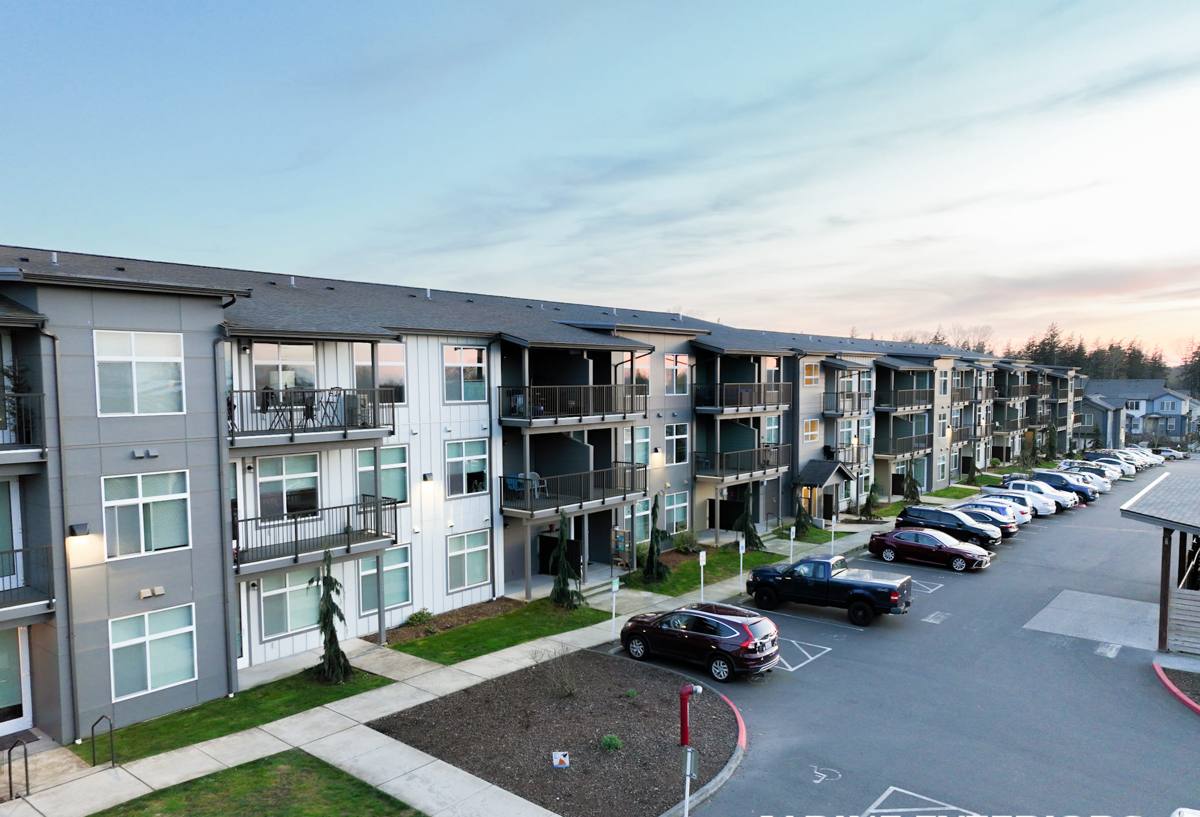
What Sandy Point's Climate Does to Vertical Siding
Salt air and metal fasteners
Homes near Birch Bay and Sandy Point sit in a marine air corridor. Salt doesn't just sit on the surface of siding — it works into fastener heads, batten seams, and any exposed cut edge. Untreated or under-spec fasteners in a board and batten system corrode faster here than the same fasteners used on a house fifteen miles inland, and a corroding fastener under a batten strip is invisible until it stains or fails.
Wind-driven rain finds vertical seams
Board and batten is a vertical-groove system by design, which means every batten strip creates a seam running straight down the wall. In a normal rain, that's not a problem. In the kind of driving, wind-pushed rain that comes off the water at Birch Bay, water gets forced sideways and upward into those seams under pressure. If the boards underneath aren't sealed and fastened to spec, or the water-resistive barrier behind them isn't lapped correctly, that rain finds its way behind the cladding.
Moss and prolonged damp
Whatcom County's long, wet, low-sun stretch from fall through spring keeps north-facing and shaded walls damp for extended periods. Moss doesn't just look bad — it holds moisture against the siding surface and, on the wrong material, accelerates surface breakdown at the exact seams where board and batten is most vulnerable.
Why Board & Batten Specifically Is Higher-Stakes Than Lap Siding
Horizontal lap siding is designed so every course sheds water downward and outward by gravity. Board and batten runs vertically, so it depends much more heavily on what's happening behind the boards — the water-resistive barrier, the flashing details at the top and bottom of each wall section, and the fastening pattern into the battens — to actually keep water out. A board and batten wall that looks perfect from the driveway can be doing a poor job of managing water if those hidden details were rushed.
This is exactly why we see more board and batten call-backs and premature repaints in exposed coastal spots than we do on sheltered inland walls with the same siding. The profile itself isn't the problem. Skipping the details that vertical siding requires is the problem.
What a Correct Board & Batten Install Involves
- Water-resistive barrier, properly lapped: Every seam overlaps shingle-style so water is directed down and out, never trapped behind the boards.
- Correct fastener type, length, and spacing: Hot-dipped galvanized or stainless fasteners sized for the substrate, driven at manufacturer-specified spacing — not "close enough."
- Flashing at every horizontal transition: Window heads, roof-to-wall intersections, and the base of the wall all need metal or membrane flashing, not just caulk.
- Rain screen gap where conditions call for it: A ventilated air gap behind the siding lets any moisture that does get past the surface dry out instead of sitting against the sheathing.
- Batten spacing sized to the panel, not eyeballed: Even reveal widths matter for both appearance and for making sure each batten actually lands on solid backing.
- Sealed and primed cut edges: Every field cut exposes raw material that has to be sealed before it goes on the wall, especially at corners and around penetrations.
- Factory-finished color, not field-painted: A factory finish cures harder and more evenly than anything applied on-site, and it's what actually stands up to years of salt air.
Our Process for a Sandy Point Board & Batten Job
1. On-site assessment
We walk the exterior and identify which walls face the water and prevailing wind, where moss and staining are already showing, and where the existing siding or sheathing has taken damage. Sandy Point lots vary in exposure block to block, so this isn't a generic checklist visit.
2. Substrate check before anything goes up
If we're re-siding, we check the sheathing underneath for rot or soft spots before closing anything in. Covering damaged sheathing with new siding just hides a problem that gets worse.
3. Barrier and flashing installed to spec
This is the step that determines whether the wall stays dry for the next 30 years, and it's also the step nobody sees once the boards go up. We don't shortcut it.
4. Board and batten installation
Panels and battens go on with correct fastening, spacing, and sealed edges, following James Hardie's published installation instructions for our climate zone.
5. Final walk-through
We review the finished work with you, including caulking, trim details, and touch-up, before we consider the job done.
Why James Hardie Is the Only Material We Put Behind Board & Batten
Board and batten gets installed in a lot of materials — vinyl, engineered wood, primed spruce, cedar — and each has a real appeal. But given what Sandy Point's exposure does to vertical seams, we standardized on James Hardie fiber cement for every board and batten job we do, for specific reasons:
| Concern | Why It Matters for Vertical Siding Here |
|---|---|
| Non-combustible material | Fiber cement doesn't feed a fire the way wood-based products can, which matters for insurance and peace of mind alike. |
| Moisture stability | Fiber cement doesn't swell, cup, or rot from prolonged damp the way engineered wood or untreated cedar can when moss and shade keep a wall wet for months. |
| Factory-cured ColorPlus finish | Cures harder than field-applied paint and holds color and sheen through salt air exposure far longer. |
| Climate-engineered HZ product line | Hardie's HZ10 formulation is engineered specifically for wet, freeze-prone Pacific Northwest climates like ours. |
| Transferable warranty | A meaningful, written warranty that follows the house if you sell, backed by the manufacturer. |
We're upfront that vinyl board and batten costs less up front, and that cedar has a warmth that fiber cement doesn't fully replicate. Those are legitimate trade-offs. But given what this specific shoreline does to seams, fasteners, and prolonged-damp surfaces, we'd rather turn down jobs in materials we don't trust here than install something we expect to need real repair inside ten years.
Cost Factors for a Sandy Point Board & Batten Project
Every home is different, but the variables that actually move the price on a board and batten job here are consistent:
| Factor | Why It Affects Cost |
|---|---|
| Wall exposure and height | Water-facing and taller walls need more careful flashing and staging. |
| Condition of existing sheathing | Rot repair found during tear-off adds time before new siding can go on. |
| Rain screen inclusion | Adding a ventilated air gap is a smart upgrade in this climate but adds labor and material. |
| Trim and reveal complexity | Custom batten spacing, window trim detail, and corner treatments take more time than a simple flat wall. |
| Color and accessory selection | Standard ColorPlus colors versus custom orders can affect lead time and price slightly. |
What to Check Before Hiring Anyone for This Job
- Do they install board and batten regularly, or mostly lap siding with occasional vertical jobs?
- Will they explain their flashing and water-resistive barrier plan before the first board goes up?
- Do they use manufacturer-specified fasteners and spacing, and will they say so in writing?
- Have they worked on homes with similar shoreline exposure, not just siding in general?
- Is the warranty from the manufacturer transferable, and does the contractor stand behind their own labor separately?
A crew that already works Sandy Point and the surrounding Birch Bay shoreline has seen how these homes actually age — which walls moss up first, which corners take the worst of the wind-driven rain, and which older installs are already showing the early signs of a seam that was never sealed correctly. That local pattern recognition is worth more than a lower bid from a crew unfamiliar with this exposure.
Signs Your Current Board & Batten Siding Is Failing
- Dark staining running down from batten seams, especially on water-facing walls
- Soft or spongy spots when pressed near the base of the wall or under windows
- Persistent moss or algae that returns within weeks of cleaning
- Visible fastener corrosion or rust streaking below batten strips
- Paint that's peeling or bubbling rather than fading evenly
Any of these on a board and batten wall usually means water is already behind the cladding, not just on top of it. Catching it early keeps a siding repair from turning into a sheathing repair.
If you're weighing board and batten for a home in Sandy Point or elsewhere along the Birch Bay shoreline, we're happy to take a look and give you a straight, no-pressure estimate — including an honest read on what your specific exposure requires. Use the form below to get started.