 Birch Bay Siding
 Windows Built for Ferndale's Coastal Climate
Ferndale sits close enough to the Salish Sea that homes here deal with a different set of problems than houses twenty miles inland. Salt-laden air moves through on the marine wind, driving rain hits siding and window trim sideways during fall and winter storms, and the long gray stretch from October through April keeps everything damp long enough for moss and mildew to get a foothold. Windows take the brunt of it. They're the weak point in an otherwise solid wall system, and if they're not installed correctly, that's where water finds its way in.
We install custom windows for homes throughout Whatcom County, and Ferndale jobs come with a specific checklist in our heads before we ever pull a tape measure: flashing that actually sheds water instead of trapping it, frame materials that won't corrode or swell, and a fit tight enough that wind-driven rain can't push past the seals. This page covers what that actually looks like — not the sales pitch version, the practical one.
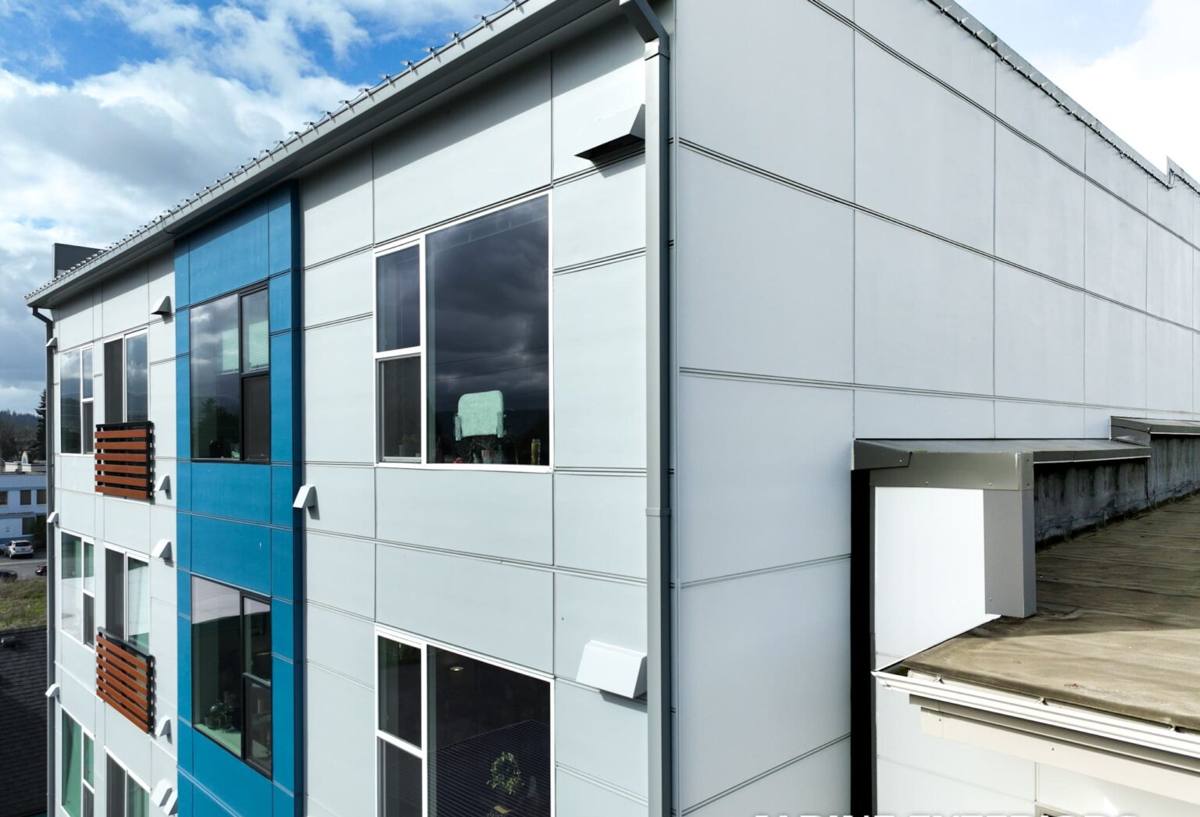
What Salt Air and Driving Rain Do to Windows Over Time
Salt Air Corrosion
Even a few miles from the water, airborne salt settles on exterior surfaces and accelerates corrosion on anything metal — hardware, hinges, uncoated aluminum frames, and fasteners. Over years, that corrosion can seize hardware, pit finishes, and weaken the small components that keep a window sealing properly. It's slow and it's easy to miss until a window won't latch right or a frame starts showing white corrosion spots.
Wind-Driven Rain
Ferndale storms don't always drop rain straight down. When wind pushes rain sideways into a wall, it tests every seam around a window — the flashing, the sill pan, the sealant joints. A window that would be fine in a calm rain can leak under wind-driven conditions if the flashing details weren't done right during install. This is the single most common cause of window leaks we find on service calls, and it's almost always an installation issue, not a product defect.
Moss and Sustained Moisture
Whatcom County's long wet season means anything that stays damp, stays damp for months at a time. Moss and algae can take hold on horizontal trim surfaces, window sills, and anywhere water sits instead of draining. Beyond looking bad, sustained moisture against wood trim or an improperly sealed frame edge is exactly what leads to rot underneath.
What a Correct Window Job Actually Involves
A lot of window problems trace back to shortcuts taken during install, not the window unit itself. Here's what we consider non-negotiable on every Ferndale job:
- Removing old windows carefully enough to inspect the rough opening and framing underneath for hidden rot before anything new goes in
- Installing a proper sill pan flashing so any water that gets past the window has a way out, not a place to pool
- Integrating window flashing with the home's existing weather-resistive barrier in the correct shingle-lap order, so water is always directed outward and down
- Using sealants and tapes rated for the temperature range and moisture exposure we actually get here, not generic caulk
- Shimming and leveling the frame so the sash operates smoothly and the seals compress evenly all the way around
- Insulating the gap between the frame and the rough opening without overpacking it, which can bow the frame
- Finishing exterior trim and caulk lines so water sheds away from the window instead of collecting at joints
Skip any one of these steps and the window can look fine for a year or two before a leak shows up — often inside a wall cavity where you won't see it until there's damage.
Choosing Materials That Hold Up Here
Frame Material Trade-Offs
There's no single "best" window frame material — each comes with trade-offs worth understanding before you pick one for a coastal Whatcom County home.
| Frame Material | Salt Air Performance | Maintenance | Notes |
|---|---|---|---|
| Vinyl | Good — won't corrode | Low | Budget-friendly, wide color range, good moisture resistance |
| Fiberglass | Excellent — inert to salt and moisture | Low | Dimensionally stable in temperature swings, higher upfront cost |
| Wood-clad | Fair — depends entirely on cladding integrity | Moderate to high | Attractive interior wood look; any breach in the exterior cladding invites rot |
| Aluminum (uncoated) | Poor near salt air without proper coating | Moderate | We generally steer clients away from bare aluminum in this area — coated or thermally broken versions perform much better |
We don't push one brand or material on every homeowner. What we do is talk through how exposed your specific elevation is — a window facing the prevailing weather takes more punishment than one tucked under an eave — and match the frame and glass package to that reality rather than a one-size-fits-all recommendation.
Glass Packages Worth Considering
Double-pane, low-E glass is the baseline we'd recommend for any Ferndale home at this point — it cuts heat loss and helps with the condensation that shows up on cold, damp mornings. Triple-pane adds more insulation value and a bit more sound dampening, which matters more if you're near a busier road, but it's a real cost jump that not every home needs to justify. We'll walk through the difference in your specific rooms rather than defaulting to the most expensive option.
Our Process for a Ferndale Custom Window Project
- On-site assessment — we look at existing window condition, frame material, signs of past leaks or rot, and how exposed each elevation is to wind and rain
- Measurement and product selection — custom sizing for your openings, with a frame and glass recommendation based on exposure and budget, not upselling
- Scheduling around the weather — we plan install windows to minimize how long openings sit exposed, which matters more here than in drier climates
- Removal and inspection — old units come out carefully so we can check the rough opening for hidden moisture damage before it's covered back up
- Flashing and install — sill pan, frame, and integration with the weather barrier done in the correct order, every time
- Interior and exterior finish work — trim, caulk, and touch-up so the job looks finished and sheds water correctly
- Final walkthrough — we check operation on every window and walk you through anything you should know about care going forward
Why Hiring a Crew That Already Works Ferndale Matters
Window installation isn't the same job in every climate. A crew used to dry-climate installs might not think twice about flashing details that are critical here, because where they usually work, a small gap in the weather barrier doesn't get tested by sideways rain fifteen times a winter. We work Whatcom County homes regularly, which means we've already seen how Ferndale's specific mix of salt air, rain direction, and moss-prone shade patterns plays out on real houses — not in a training manual.
That local pattern recognition shows up in small decisions: which elevations need extra attention, when a wood-clad frame is a fine choice versus when fiberglass makes more sense, how much slope a sill needs given how our rain actually falls. It's the difference between a window that's technically installed and one that's installed to last through twenty Whatcom County winters.
Signs Your Current Windows Need Attention
Not sure if replacement or repair is the right call? These are the signs we'd want to look at:
- Fogging or condensation between panes, which means the seal has failed and the insulating gas is gone
- Soft or discolored trim around the window, a sign moisture has been getting behind it
- Drafts you can feel even with the window fully closed and latched
- Difficulty opening, closing, or latching that wasn't there before
- Visible moss or persistent green staining on sills or trim that keeps coming back
- Peeling paint or bubbling finish on interior or exterior trim near the frame
Any one of these on its own isn't necessarily an emergency, but a couple together usually means water is getting somewhere it shouldn't.
Maintenance That Actually Extends Window Life
Even a correctly installed window benefits from a little seasonal attention in this climate. Rinse salt residue off frames and glass periodically, especially after storms. Keep weep holes and drainage tracks clear of debris and moss so water can actually exit the frame system. Check caulk lines once a year for cracking or gaps, since UV and temperature swings break down sealant faster here than in milder climates. None of this takes long, and it's far cheaper than dealing with water damage down the line.
Get a Free, No-Pressure Estimate
If you're dealing with drafty, foggy, or hard-to-operate windows, or you're planning ahead for a full replacement, we're happy to come take a look and give you an honest read on what your home actually needs. Fill out the form below and we'll set up a time to walk the property with you.