 Birch Bay Siding
 Windows Built for Point Roberts' Odd Little Climate
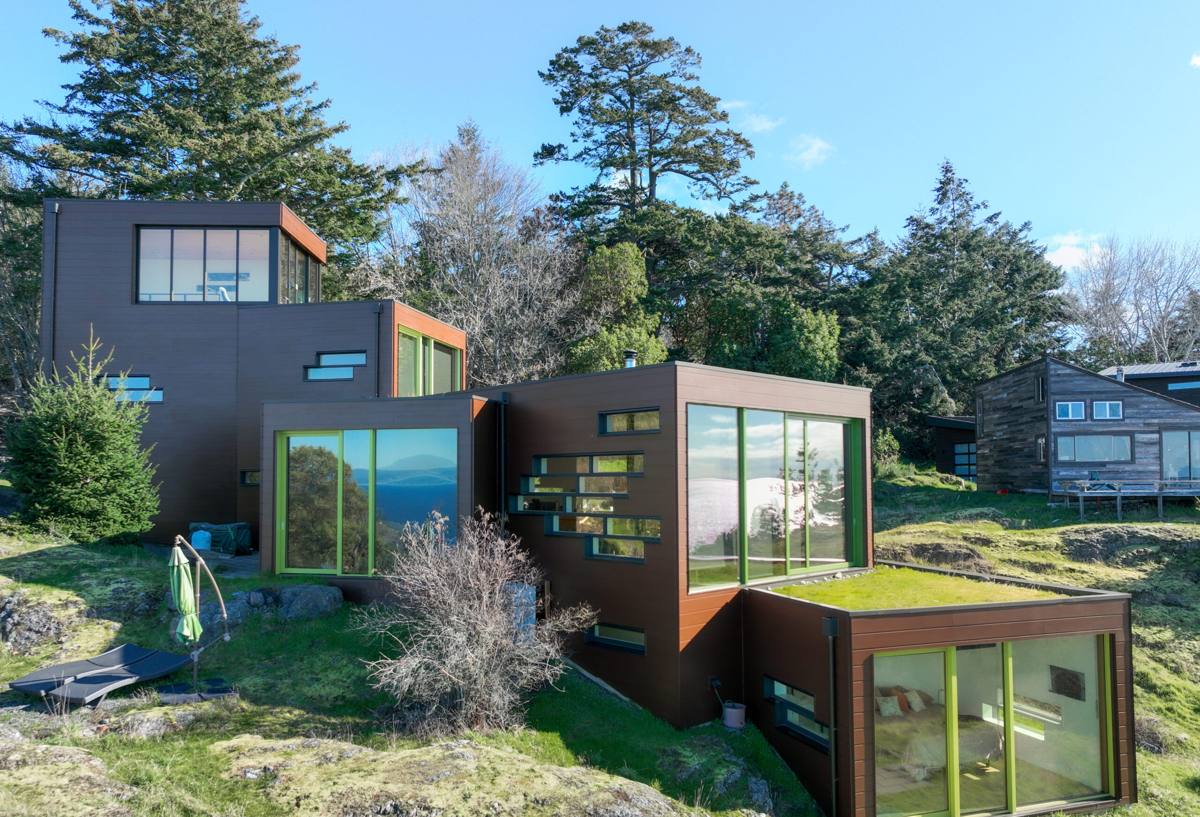
Point Roberts sits on its own peninsula, cut off from the rest of Washington by water and border crossings, and that isolation shapes everything about how a house ages there. The exclave catches wind and salt spray off Boundary Bay and the Strait of Georgia from multiple directions, gets pounded by driving rain through the fall and winter, and stays damp and shaded long enough each year that moss and algae get a real foothold on anything that traps moisture. Windows take the brunt of all three. A window that's a fine choice inland in Whatcom County can underperform fast out on the point if it wasn't selected and installed with salt air, wind-driven rain, and a long wet season specifically in mind.
We work throughout Birch Bay and up into Point Roberts regularly, so we're not guessing at what holds up out there — we're replacing the same failure patterns over and over: pitted hardware, swollen sashes, fogged glass from failed seals, and moss creeping into sill corners that never fully dry out. Energy-efficient windows done right solve the comfort and utility-bill side of things, but out here they also have to solve the durability side, or you're doing this again in ten years instead of twenty-five.
What "Energy-Efficient" Actually Needs to Mean Here
It's Not Just the Glass
A lot of window marketing focuses entirely on the glass package — low-E coatings, argon fill, triple pane. Those matter, but on a coastal exclave like Point Roberts, the frame, the hardware, and the installation details determine whether that glass package ever gets to perform the way it's rated to. A great insulated glass unit in a frame that's letting wind-driven rain track behind the trim isn't an energy-efficient window anymore — it's a slow-motion moisture problem with good glass in it.
Salt Air and Hardware
Standard mill-finish aluminum components, low-grade fasteners, and unprotected steel reinforcement corrode faster this close to salt water. We spec corrosion-resistant hardware — stainless or properly coated fasteners, cladding and hardware finishes rated for coastal exposure — because a seized lock or a rusted-through hinge screw is usually the first visible sign that a window's seal integrity is already compromised.
Driving Rain and Air Sealing
Wind-driven rain doesn't just hit glass — it gets forced sideways and upward into joints, especially on exposed elevations facing the water. That means sill pan flashing, correctly lapped weather-resistant barrier integration with the siding, and quality sealants at every penetration aren't optional details, they're the difference between a window that's dry in a January storm and one that's staining drywall by spring.
Moss Season and Moisture
The long stretch of damp, shaded weather that grows moss on roofs and north-facing siding does the same thing to window sills and frame corners that don't shed water cleanly or that trap it against wood trim. Detailing that promotes drainage — sloped sills, back-dammed pans, gaps that let assemblies dry — keeps organic growth and rot from ever getting started.
Signs Point Roberts Homeowners Should Watch For
- Condensation or fogging between panes — the seal has failed and the insulating gas is gone
- Visible moss, algae, or black staining collecting in sill corners or lower frame joints
- Hardware that's stiff, rusted, or won't latch fully closed
- Noticeable draft or cold spot near the frame even with the window latched
- Wood trim that's soft, discolored, or bubbling paint near the sill
- Rooms near exterior windows that are hard to keep warm or noticeably louder in wind
Choosing the Right Frame Material for This Location
There's no single "best" window material everywhere — the right choice depends on exposure, budget, and how much upkeep you want to take on. Here's how the common options actually compare for a coastal Whatcom County property:
| Frame Material | Coastal Durability | Maintenance | Typical Trade-Offs |
|---|---|---|---|
| Vinyl | Strong — won't rust or rot, handles salt air well | Low | Fewer color options; frame can't be repainted long-term |
| Fiberglass | Excellent — very stable in temperature and moisture swings | Low | Higher upfront cost than vinyl |
| Wood-clad | Good if cladding and flashing are done correctly; interior wood needs protection from any moisture intrusion | Moderate | More installation-sensitive; a poor seal detail causes problems faster than with vinyl or fiberglass |
| Bare aluminum | Weak in salt air unless heavily protected — prone to pitting and corrosion over time | Higher | We generally steer clients away from unprotected aluminum this close to the water |
We don't push one brand or material on every job. We'll walk your specific elevations with you — which walls take direct wind and rain, which stay shaded and damp — and match material to exposure rather than defaulting to whatever's cheapest to install.
What a Correct Installation Actually Involves
- Assessment — checking existing framing for hidden rot or moisture damage before anything gets ordered
- Precise measurement — exact rough opening dimensions so the new unit fits without gaps that get packed with excess sealant instead of proper flashing
- Old window removal — careful teardown that protects surrounding siding and trim
- Sill pan flashing — a sloped, back-dammed pan so any water that does get past the window drains back out instead of sitting against wood framing
- Weather-resistant barrier integration — flashing tape and building paper lapped correctly with the house wrap so water sheds down and out, never behind the siding
- Setting and shimming — the window set plumb, level, and square, shimmed so it operates smoothly for years, not just on install day
- Insulating and sealing — low-expansion foam or batt insulation around the frame, plus exterior sealant rated for the coastal climate
- Trim and finish — exterior trim reinstalled or replaced so water can't find a path behind it
- Final operation check — every sash tested for smooth operation and full lock engagement before we call the job done
Skipping or rushing any one of these steps is how a brand-new, well-rated window ends up with a moisture problem within a couple of winters. It's rarely the glass that fails first — it's the installation detailing around it.
Cost Factors You Should Actually Weigh
| Factor | Why It Moves the Price |
|---|---|
| Number and size of windows | Larger and more numerous openings mean more material and labor |
| Frame material | Vinyl generally costs less than fiberglass or wood-clad |
| Glass package | Triple pane, upgraded low-E coatings, and specialty tints add cost but improve comfort and efficiency |
| Exposure and access | Elevations facing prevailing wind and rain often need more flashing detail and time |
| Existing damage | Rot or water damage found during teardown adds repair scope before the new window can go in |
| Full-frame vs. insert replacement | Full-frame replacement costs more but lets us correct old flashing mistakes; inserts are faster but only make sense when the existing frame is sound |
We'll give you an honest read on which approach — insert or full-frame — actually fits the condition of your existing openings, not just whichever is quicker for us to install.
Why Local Experience on This Exclave Matters
Point Roberts isn't like scheduling a job anywhere else in Whatcom County. Materials and crews cross an international border to get there, which means the whole job has to be planned differently — deliveries batched, timing accounted for, and nothing left to a last-minute supply run. Crews unfamiliar with the peninsula often underestimate this and either pad the price to cover their own uncertainty or cut corners on scheduling and detail work to make up the time.
We already build border crossings and logistics into how we plan Point Roberts jobs, and we know the exposure patterns out there — which elevations take the worst of the wind-driven rain, where moss and algae take hold fastest, and how older vacation and year-round homes in the area were typically built and where their original windows tend to be weakest. That local knowledge is what keeps a window job efficient instead of turning into a longer, more expensive ordeal than it needed to be.
Maintenance That Extends the Life of Your Investment
- Rinse salt residue off exterior frames and glass periodically, especially after storms
- Keep weep holes and drainage tracks clear of debris, moss, and pollen buildup
- Check exterior sealant lines annually for cracking or separation and have gaps addressed before winter rains
- Operate hardware regularly so mechanisms don't seize from disuse in the damp off-season
- Watch for moss or algae starting on sills or trim and clean it before it holds moisture against the frame
Good windows in this climate aren't fully maintenance-free, but a correct installation with the right materials keeps that maintenance light — a rinse and a quick check, not a repair.
Get an Honest Look at Your Windows
If your windows are fogging, drafting, sticking, or showing moss and staining at the sills, it's worth having someone look at both the glass and the installation details before you decide what to do next. We'll walk your home, tell you plainly what we see, and put together options that fit your budget and your home's actual exposure — no pressure, no upsell. Reach out below for a free estimate.