 Birch Bay Siding
 Why Point Whitehorn Homes Need a Different Approach to Windows
Point Whitehorn sits close to the water along Birch Bay in Whatcom County, and that proximity changes what a window has to survive year after year. Homes just a few miles inland deal with rain and cold. Homes out here also deal with salt-laden air coming off the Strait, near-constant wind exposure, and long stretches of shade and moisture that keep moss and algae established on north-facing walls and trim for most of the year. A window that would hold up fine in a sheltered inland neighborhood can start showing problems within a few seasons out here if it wasn't specified and installed with that exposure in mind.
This page is about one job, done right, for one area: custom window replacement and installation for Point Whitehorn homes. Not a general product pitch — the specific things that matter when a window has to face salt air, driving rain, and a wet, shaded climate for the next twenty-plus years.
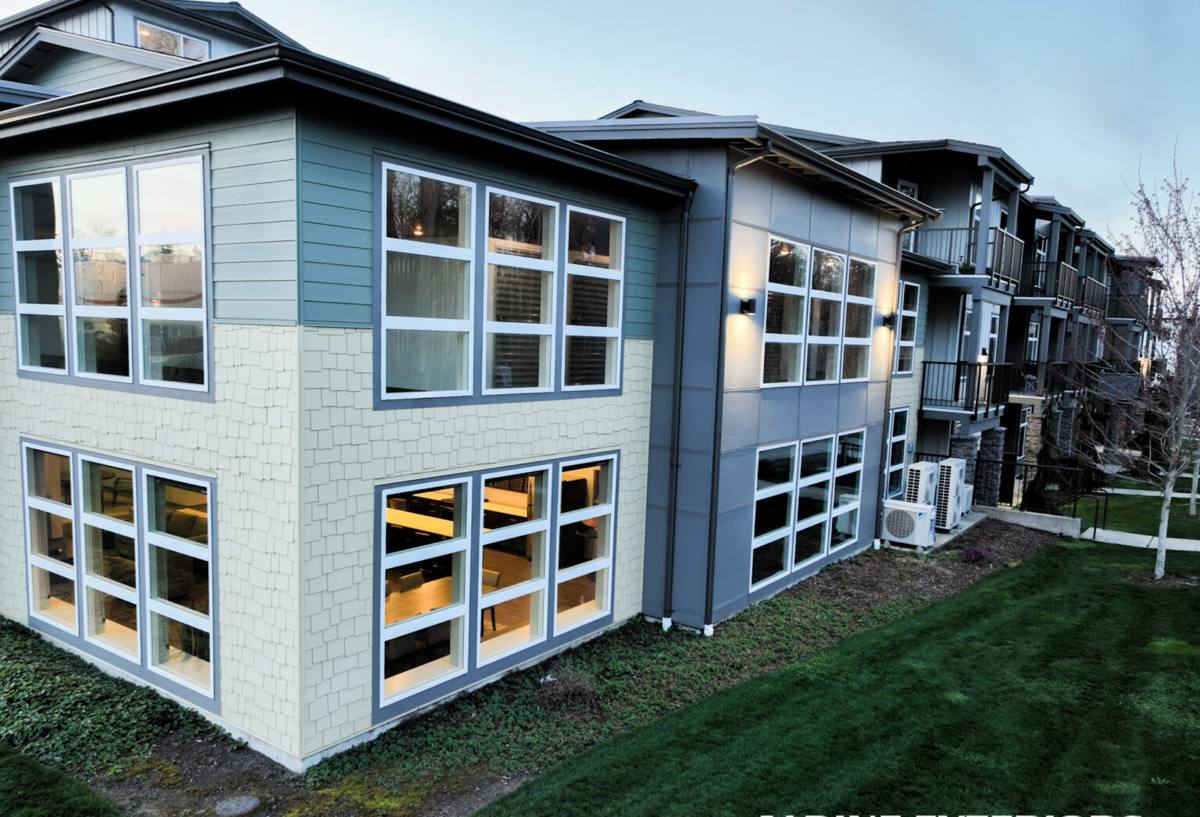
What Salt Air, Driving Rain, and Moss Season Actually Do to a Window
Salt Air and Corrosion
Airborne salt doesn't just affect boats and metal railings. It settles on window hardware, screens, and exposed fasteners, and over time it accelerates corrosion on anything that isn't rated for coastal exposure. Cheap or mismatched hardware — hinges, cranks, locks, screen frames — is usually the first thing to fail on a salt-exposed window, often years before the glass unit or frame itself has any issues.
Wind-Driven Rain
Birch Bay gets rain that doesn't fall straight down — it comes in sideways during winter storms, which puts pressure on window seals and flashing details that a vertical-rain climate never tests. A window that's watertight in a light rain can still leak under wind-driven rain if the flashing, sill pan, or sealant work wasn't done correctly. This is almost always an installation issue, not a product issue — the best window on the market will leak if it's not flashed and sealed for the way rain actually hits this coastline.
Moss Season
Shaded, moisture-retentive spots around a home — under eaves, behind trim, near tree cover — grow moss and algae for a good part of the year here. On windows, that growth tends to collect at sills and lower corners where water sits longest. Left alone, trapped moisture under moss-covered trim contributes to wood rot around window openings, which is one of the more expensive problems to fix if it's caught late.
What a Correctly Specified Window Needs Here
For Point Whitehorn, three things matter more than they would in a sheltered inland install: frame material and hardware resistant to salt exposure, glazing and seal specs rated for high wind-driven rain exposure, and installation detailing (flashing, sill pans, sealant) done to actually shed water under pressure, not just gravity.
| Frame Material | Coastal Salt Air Performance | Maintenance Burden |
|---|---|---|
| Vinyl (quality, coastal-rated) | Good — won't corrode, but check hardware rating | Low |
| Fiberglass | Very good — dimensionally stable, resists salt and moisture well | Low |
| Aluminum-clad wood | Fair — attractive, but cladding seams and any exposed fasteners need coastal-rated hardware | Moderate |
| Bare wood | Poor without diligent upkeep — high moisture and salt exposure accelerate rot | High |
We don't push one brand or material as the only right answer — the right choice depends on the home's exposure, the look the homeowner wants, and budget. What we won't do is install a frame and hardware combination that isn't rated for salt air exposure on a home that's going to take the brunt of it, because that's a callback waiting to happen and it's not fair to the homeowner to sell them something that won't hold up here.
Signs Your Windows Are Losing the Battle
Most window failure out here is gradual, and homeowners often adjust to small problems without realizing they're a sign of something bigger. Worth checking for:
- Fogging or moisture between glass panes (failed seal on a double or triple-pane unit)
- Hardware — cranks, locks, hinges — that's stiff, corroded, or won't latch fully
- Soft or discolored trim and sill wood, especially on north- or west-facing windows
- Persistent moss or algae buildup at the sill that keeps coming back after cleaning
- Drafts or a noticeable temperature difference near the window on windy days
- Visible daylight or gaps around the frame where it meets the siding
- Difficulty opening or closing that wasn't there a year or two ago
Any one of these can be minor on its own. Several together, especially on the side of the house that takes the weather, usually means the window and its installation are due for a real look, not just a caulk touch-up.
Our Installation Process
Custom window work isn't just swapping glass in an existing opening. Here's how we approach it for a Point Whitehorn home:
- On-site assessment. We look at each opening individually — sun and wind exposure, existing rot or moisture damage, framing condition — before recommending anything.
- Material and product selection. We walk through frame material, glazing options, and hardware with the homeowner, with coastal exposure factored into the recommendation for each elevation of the house.
- Removal and inspection. Old windows come out carefully so we can inspect the rough opening, sill, and framing underneath for hidden rot or prior water intrusion before anything new goes in.
- Flashing and sill pan work. This is the step that determines whether a window leaks in a wind-driven storm five years from now. We flash and pan every opening to shed water outward, not rely on sealant alone.
- Installation and sealing. Windows are set plumb and level, shimmed and fastened correctly, and sealed with products suited to marine air exposure — not general-purpose caulk that breaks down faster out here.
- Final check and cleanup. We test operation, check for square and smooth function, and walk the homeowner through anything they should watch for going forward.
Why Local Experience in This Exact Area Matters
A crew that mostly works inland can install a technically fine window and still get it wrong for Point Whitehorn, because the failure points here are specific: they under-spec hardware for salt exposure, they flash for straight-down rain instead of wind-driven rain, or they don't account for how much moisture sits in shaded areas during moss season. We work Birch Bay and the surrounding Whatcom County coastline regularly, so the flashing details, material choices, and maintenance advice we give aren't generic — they're based on what actually holds up on homes exposed to this specific stretch of coast.
That also means we're not guessing at what's normal for this area. We know which elevations of a typical Point Whitehorn home take the worst of the weather, and we plan the work accordingly instead of treating every window the same regardless of exposure.
Maintenance That Actually Matters Out Here
Even a well-installed, correctly specified window needs some seasonal attention in a salt air, high-moisture climate. A short, honest list of what's worth doing:
- Rinse accumulated salt residue off frames and hardware a few times a year, especially after winter storms
- Clean moss and algae off sills and lower trim before it packs in and holds moisture against the wood or frame
- Lubricate cranks, hinges, and locks periodically — coastal air dries out or gums up hardware lubrication faster than inland exposure
- Check and refresh exterior sealant/caulk lines every couple of years, since UV and salt exposure break it down faster here than in sheltered areas
- Look for early soft spots in trim or sills before they turn into a bigger repair
What Affects the Cost of a Custom Window Job Here
| Factor | Why It Matters in Point Whitehorn |
|---|---|
| Number and size of openings | Standard cost driver, but larger openings on exposed elevations need more careful flashing |
| Frame material chosen | Coastal-rated materials and hardware typically cost more up front but save on maintenance and callbacks |
| Condition of existing framing | Hidden rot from past water intrusion, common on older coastal homes, adds repair scope once openings are opened up |
| Exposure of each elevation | Windows facing prevailing wind and rain may warrant a higher glazing/sealing spec than sheltered sides of the home |
| Custom shapes or sizes | Non-standard openings cost more regardless of location, but are common in older Whatcom County coastal homes |
We don't quote a job without seeing the actual openings and their condition — a number given sight-unseen for coastal work isn't a real number.
If your Point Whitehorn home's windows are showing their age, or you're planning a renovation and want windows specified correctly for this stretch of coast, we're happy to come take a look. Use the form below for a free, no-pressure estimate — no obligation, just an honest read on what your home actually needs.