 Birch Bay Siding
 Building New in Lynden? The Windows Have to Be Right the First Time
New construction gives you one real shot at getting window installation right. Once the siding, trim, and interior finish work close in around the rough openings, fixing a bad flashing job means tearing into finished walls. For a Lynden build, that first shot matters more than it would in a drier climate — Whatcom County sits under a wet, marine-influenced weather pattern most of the year, and homes near the water and low farmland around Birch Bay see driving rain, salt-laden air off the Strait, and long stretches of damp, mossy shade between storms. New-construction windows installed correctly from the framing stage out will handle all of that. Windows installed with shortcuts will show it within a few winters, usually as staining, soft trim, or a draft that wasn't there when the house was new.
This page covers what we actually do when we install windows in new-construction openings for Lynden homes, why the sequence matters, and what to expect if you're a builder, GC, or owner-builder planning a project in this area.
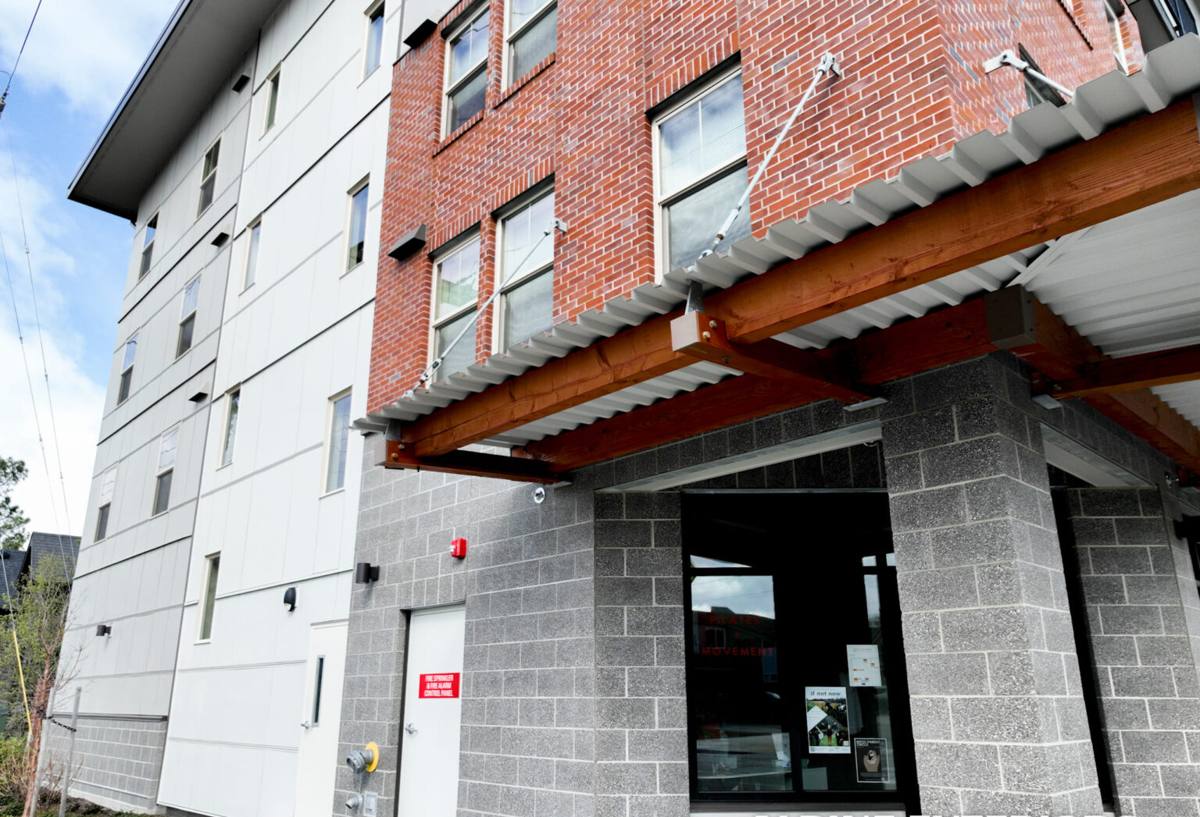
What Lynden's Climate Demands From a New Window Install
Lynden sits inland from Birch Bay in the Nooksack River valley, and while it's a few degrees warmer and less directly salt-exposed than the immediate coastline, it shares the same weather system: wet winters, a long moss-and-mildew season, and wind-driven rain events that push water sideways against window openings rather than straight down. A few specifics that shape how we detail an install here:
- Driving rain loads. Storms off the Strait of Georgia and Puget Sound bring horizontal rain, which tests window flashing far harder than a vertical downpour does. Any gap in the water-shedding layer becomes a leak point.
- Salt air exposure. Even set back from the immediate shoreline, Lynden gets enough salt-laden air on windy days to accelerate corrosion on cheap hardware, fasteners, and unprotected metal flashing over time.
- Extended damp season. Long stretches of overcast, moist weather mean wood trim, sills, and sheathing stay damp longer between dry spells. Materials and details that rely on quick drying don't perform as well here.
- Moss and biological growth. Shaded north sides and areas with tree cover develop moss and algae readily, which holds moisture against surfaces and accelerates rot if there's any wood-to-water contact at window openings.
None of this means new construction in Lynden needs exotic materials. It means the ordinary steps — flashing sequence, sealant selection, sill pan drainage — have to be done correctly and in the right order, because this climate finds every shortcut eventually.
What "Correct" Actually Looks Like in a New-Construction Opening
The Rough Opening and Sill Pan
Before a window ever goes in, the rough opening needs a sloped sill pan that directs any water that gets past the window itself back outward, not into the wall cavity. This is the single most common corner cut we see in new construction — a flat or improperly lapped sill pan that looks fine on install day and fails silently for years.
Flashing Sequence (Shingle-Lap Order)
Flashing has to be installed shingle-style — each layer overlapping the one below it — so water is always directed down and out, never trapped behind a lap. The order matters: sill pan first, then the window nailing flange integrated with the housewrap or building paper, then jamb flashing, then head flashing lapped over the top. Skipping or reversing any layer creates a point where water can work its way behind the cladding.
Sealant and Backer Rod
Exterior sealant at the window perimeter isn't decorative — it's a secondary water barrier behind the primary flashing system, and it needs the right joint depth and a backer rod where gaps call for it. In a climate with Lynden's rain exposure, we don't rely on sealant alone to do the flashing's job, but we also don't skip it.
Fastening and Shimming
New-construction flange windows get fastened per the manufacturer's schedule, shimmed square and plumb before fastening, and checked for operation before the opening is closed in. A window that's slightly racked in the opening will bind, won't seal evenly against its own weatherstripping, and puts uneven stress on the frame.
Interior and Exterior Insulation
The gap between the window frame and rough framing needs low-expansion foam or backer rod and sealant — not standard high-expansion foam, which can bow window frames and cause the sash to bind. This is a small detail that gets rushed on production schedules and causes callbacks later.
Our Process for a Lynden New-Construction Job
| Stage | What Happens | Why It Matters Here |
|---|---|---|
| Plan review | We review window schedule, opening sizes, and elevations against the framing plan | Catches sizing or product mismatches before openings are framed |
| Rough opening prep | Confirm openings are square, sized correctly, and sheathing/housewrap is in place before install | A correct start prevents shimming and flashing problems later |
| Sill pan and flashing | Install sloped sill pan, integrate flashing with the water-resistive barrier in shingle-lap order | This is the primary defense against wind-driven rain intrusion |
| Window set and fasten | Shim square and plumb, fasten per manufacturer schedule, check operation | Ensures long-term sash performance and even weatherstripping contact |
| Seal and insulate | Low-expansion foam or backer rod at the frame gap, exterior sealant at the perimeter | Prevents air infiltration and frame distortion |
| Final inspection | Walk every opening, confirm flashing laps, operation, and fastening before siding closes it in | Last chance to fix anything before it's covered |
Choosing Window Products for This Climate
We don't push one brand as the only option, but we do have standards we won't compromise on for new construction in a wet, salt-air-adjacent climate like Whatcom County's:
- Corrosion-resistant hardware. Fasteners, hinges, and cranks should be rated for coastal or high-moisture exposure, not standard interior-grade hardware.
- Proven flange and frame design. We look for nailing flange geometry that integrates cleanly with standard flashing tape and housewrap systems, since a flange that doesn't lap well forces field workarounds.
- Warranty structure that covers the glass seal. Insulated glass units can fog from a failed seal years down the road; a warranty that actually covers glass seal failure, not just frame defects, matters in a damp climate where seal stress is higher.
- Cladding or finish that tolerates damp cycling. Vinyl and fiberglass frames generally handle Whatcom County's wet-dry cycling with less maintenance than bare wood exteriors, which need more diligent upkeep to avoid moisture problems near the sill.
We're happy to work with whatever product line a builder or architect has specified, and we'll flag it honestly if a spec has a detail that tends to cause problems in this climate — better to raise it during planning than after the opening is closed in.
Common New-Construction Mistakes We See (and Avoid)
- Flat or missing sill pans that trap water instead of shedding it
- Flashing installed out of shingle-lap order, creating a hidden entry point
- High-expansion foam used around the frame, bowing it and causing binding
- Housewrap or building paper not properly integrated with the window flange
- Fasteners that don't match the manufacturer's schedule, leaving the frame under-secured
- Windows set out of square, causing uneven weatherstripping wear within a year or two
Every one of these is invisible on the day the house is finished. They show up two, five, or ten winters later as a stain on interior drywall, a soft spot in exterior trim, or a window that suddenly won't latch flush. Correct installation costs the same amount of labor as a rushed one — it just requires doing the steps in order and not skipping the ones that don't show.
Why Work With a Crew That Already Knows Lynden
A window crew that mostly works drier inland climates can install a technically fine window that still isn't detailed for what Whatcom County throws at it. Working new construction across Birch Bay and the surrounding Lynden area regularly means we're not guessing at how much rain exposure a given elevation gets, how the local moss and damp season affects untreated wood trim, or which details actually matter for salt-influenced air quality this close to the coast. That's not a marketing point — it's the difference between a flashing detail chosen because it's standard practice everywhere and one chosen because it's what holds up here specifically.
We coordinate directly with builders and GCs on scheduling so window install lines up with the framing and siding sequence, and we walk every opening before it gets closed in. If something in the framing needs adjustment before a window can be set correctly, we'd rather flag it that day than after the wall is finished.
What to Expect for Timeline and Planning
New-construction window install timing depends on the number of openings and how the build is sequenced, but as a general rule we need the rough openings framed, squared, and weather-protected with housewrap before we can start. We'll coordinate with your GC or framing crew directly to slot the install at the right point — early enough that siding and interior trim aren't waiting on us, but not so early that flashing sits exposed longer than it needs to. For a typical single-family home in the Lynden area, window installation itself usually runs a matter of days once openings are ready; we'll give you a firm window once we've reviewed the plan and opening count.
Questions Worth Asking Before You Sign a Contract
- Does the sill pan detail direct water outward, or is it a flat pan?
- What flashing tape or system is being used, and is it compatible with the housewrap on this job?
- Is the foam or sealant at the frame gap low-expansion, rated to not distort the window frame?
- What does the manufacturer's warranty actually cover — frame only, or glass seal failure too?
- Will someone walk and check every opening before siding closes it in?
A contractor who can answer these plainly, without hedging, is one who's actually done this in a climate like ours.
If you're planning a new build in Lynden and want window installation done right from the framing stage forward, we're glad to walk your plans and give you a straightforward, no-pressure estimate. Fill out the form below and we'll follow up to talk through your project.