 Birch Bay Siding
 Window Replacement Built for Lummi Island's Exposure
Lummi Island sits out in the salt air and open water exposure that defines this part of Whatcom County, and that exposure is hard on windows in ways that homes further inland never have to deal with. Salt-laden air corrodes hardware and finishes, driving rain finds every weak seal, and a long moss season keeps everything around a window damp for months at a time. Birch Bay Siding Company works this stretch of the county regularly, and window replacement on Lummi Island is a different job than window replacement in a sheltered subdivision twenty minutes away. This page covers what that difference actually means for your home, what a correct installation looks like out here, and how we handle the job from first look to final seal.
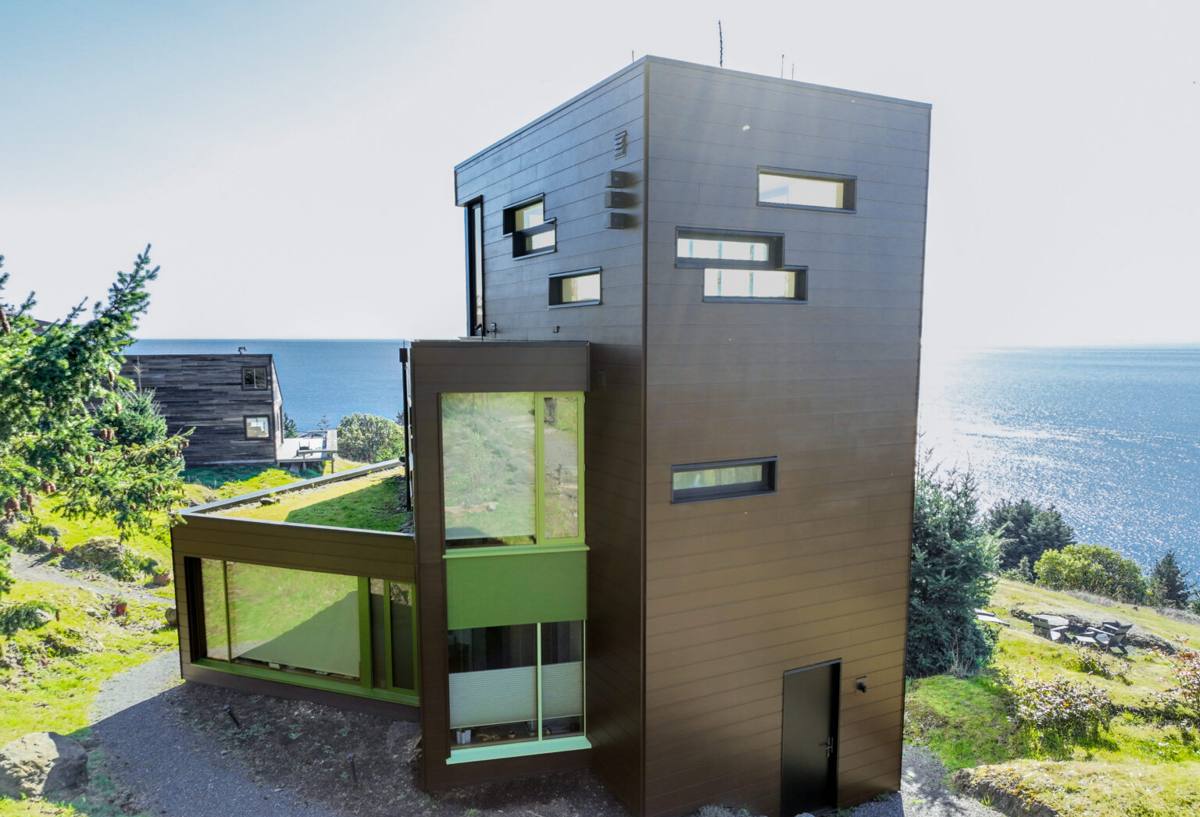
What the Local Climate Does to Windows
Three things drive window failure on Lummi Island faster than almost anywhere else in the region: salt air, wind-driven rain, and a moss season that can run half the year.
Salt Air
Airborne salt settles on frames, hardware, and glazing seals. Over years it corrodes aluminum components, pits lesser-grade hardware, and breaks down finishes that weren't rated for coastal exposure. Cheaper vinyl and low-grade aluminum windows show this first — sticking sashes, chalky or pitted finishes, and locks that stop working smoothly well before the glass itself fails.
Driving Rain
Wind off the water doesn't just fall on a window, it drives into it sideways. That means flashing, sill pans, and sealant details matter far more here than they do on a calm inland lot. A window that's simply caulked around the edges instead of properly flashed and pan-sealed will eventually let water in behind the trim, and you often won't see it until there's rot or staining on the interior wall.
Moss and Sustained Moisture
Whatcom County's long wet season keeps north-facing and shaded walls damp for extended stretches. Moss and algae growth around window trim holds moisture against wood components and can accelerate rot at the sill and lower corners if the original installation didn't seal and flash correctly. This is less about the glass and more about everything around it — the trim, the sill, the flashing — staying dry.
Signs a Lummi Island Home Needs Window Replacement
Not every drafty window needs full replacement, but several signs point clearly to it, especially on homes with direct or near-direct water exposure.
- Sashes that stick, drag, or won't stay open on their own
- Visible fogging or a persistent haze between panes (failed seal on double or triple glazing)
- Soft or discolored wood at the sill, jamb, or interior trim
- Corroded, pitted, or frozen hardware — locks, cranks, or hinges that won't operate smoothly
- Noticeable draft or cold spot at the frame even when the window is fully closed and locked
- Paint or finish that's chalking, peeling, or bubbling on the exterior frame
- Condensation forming on the interior frame or sill during cold, damp stretches
- Visible gaps or daylight around the frame where it meets the wall
If you're seeing more than one or two of these, it's usually more cost-effective to replace than to keep patching. Repeated repairs on a failing frame rarely hold up to another few years of this exposure.
What a Correct Window Replacement Job Involves
The window unit itself is only part of the job. On an exposed site like Lummi Island, the installation details around it are what determine whether the window lasts fifteen years or thirty-plus.
Removal and Inspection
Once the old window is out, we inspect the rough opening for hidden rot, moisture damage, or prior flashing mistakes. This is often where problems from the original build or a previous poor installation show up — and it's much cheaper to fix that damage now than to install a new window over a compromised opening.
Flashing and Sill Pan
A sill pan and properly lapped flashing are non-negotiable on a site that takes driving rain. Water that gets past the exterior seal needs somewhere to drain back out, not a path into the wall cavity. This is the single most important detail in a coastal or wind-exposed window install, and it's also the detail that's easiest to skip if a crew is rushing.
Air and Water Sealing
Proper sealing means the right sealant at the right layer — not just a bead of caulk around the trim. Backer rod, sealant compatible with the window and siding materials, and correct lapping order (so upper layers shed water over lower ones) all matter here.
Hardware and Finish Selection
Given the salt air, we steer clients toward hardware and finishes rated for coastal or marine-adjacent exposure rather than standard-grade components. It costs a little more up front and saves you from replacing corroded locks and cranks in five years.
Trim and Weather Detailing
Exterior trim gets sealed and detailed to shed water away from the frame, not hold it against it. This is also where we address moss and algae risk — proper drip edges and sloped sills reduce the standing moisture that feeds growth around the window.
Choosing the Right Window Material for This Location
There's no single "best" window material for every home, but exposure to salt air and driving rain narrows the field. Here's how the common options hold up out here.
| Material | Coastal Performance | Maintenance | Trade-offs |
|---|---|---|---|
| Vinyl (quality-grade) | Good — won't corrode, handles moisture well | Low | Lower-grade vinyl can chalk or warp under UV and salt exposure over time |
| Fiberglass | Very good — dimensionally stable, resists corrosion | Low | Higher upfront cost than vinyl |
| Wood-clad | Fair to good if detailing is correct | Higher — cladding seams need monitoring | More installation-sensitive; poor flashing shows up faster as rot |
| Aluminum (standard) | Poor to fair — prone to corrosion and pitting in salt air unless marine-rated | Moderate | We generally steer clients away from standard-grade aluminum on direct-exposure sites |
For most Lummi Island homes we recommend quality vinyl or fiberglass for the balance of cost, low maintenance, and resistance to salt-air corrosion. Wood-clad can still be the right call for homes where the look matters more than minimizing upkeep, as long as the installation detailing is done correctly — that's where the real risk lives, not in the material itself.
Our Process
- On-site assessment — We look at existing windows, exposure direction, and any signs of moisture or rot around current openings.
- Honest recommendation — Full replacement versus targeted repair, based on what we actually find, not a sales script.
- Material and hardware selection — Matched to your home's exposure, budget, and appearance goals.
- Removal and opening inspection — Old units come out, rough openings get checked before anything new goes in.
- Correct flashing, sill pan, and sealing — The step that determines long-term performance on this site.
- Trim and finish work — Detailed to shed water and resist moss buildup around the frame.
- Final walkthrough — We check operation, seal, and finish with you before calling the job done.
Cost Factors for Lummi Island Window Replacement
Window replacement pricing varies by unit size, material, glazing package, and how much flashing or trim repair the opening needs. Broad ranges below are for planning purposes — every home is different, and the only way to get a real number is a site visit.
| Factor | Impact on Cost |
|---|---|
| Window material (vinyl vs. fiberglass vs. wood-clad) | Moderate to significant — fiberglass and wood-clad run higher than standard vinyl |
| Glazing package (double vs. triple pane, coastal-rated glass) | Moderate — better glazing costs more but performs longer in this exposure |
| Condition of the existing rough opening | Can be significant if hidden rot or prior flashing failure needs repair first |
| Number and size of windows | Direct — larger jobs benefit from some per-unit savings |
| Hardware grade (standard vs. coastal/marine-rated) | Minor to moderate — worth it for corrosion resistance out here |
| Access and site logistics | Minor to moderate depending on the home's layout and ferry-dependent scheduling |
Why a Local Crew That Already Works Lummi Island Matters
A crew that regularly works Birch Bay and the surrounding Whatcom County coastline already knows what salt air, driving rain, and moss season do to a window installation over time — because we've gone back and seen the ones that were done wrong. That experience shows up in small decisions: which sealant actually holds up out here, how much slope a sill needs, and which hardware grades are worth the extra cost versus which ones are wasted money. It also means realistic scheduling — Lummi Island logistics, including ferry access, factor into how we plan the job so materials and crew show up when they're supposed to, without wasted trips or delays that drag a project out longer than it should take.
Get a Free, No-Pressure Estimate
If your windows are showing wear from salt air, drafts, sticking hardware, or moisture around the frame, it's worth having a local crew take a look before small problems turn into structural repairs. Use the form below to request a free estimate — we'll assess your home's actual exposure and give you an honest recommendation, no pressure either way.