 Birch Bay Siding
 Siding That Has to Survive an Island Climate
Lummi Island sits out in the salt water of Whatcom County, and that location changes what a house needs from its siding. Wind carries salt spray off the water and deposits it on exterior walls year-round. Storms come in off the Strait with driving, sideways rain instead of the gentler straight-down rain inland homes deal with. And because the island stays damp and shaded on so many lots, moss and algae get a long growing season on anything that holds moisture against its surface. Siding here isn't just decorative — it's the first line of defense against a genuinely harsh coastal environment, and it needs to be chosen and installed with that environment in mind, not treated like a generic product swap.
We install exclusively James Hardie fiber cement siding, and Lummi Island is exactly the kind of project that explains why. This page walks through what island homes actually need, what a correct Hardie installation involves, and why hiring a crew that already understands the logistics of working on the island matters as much as the product itself.
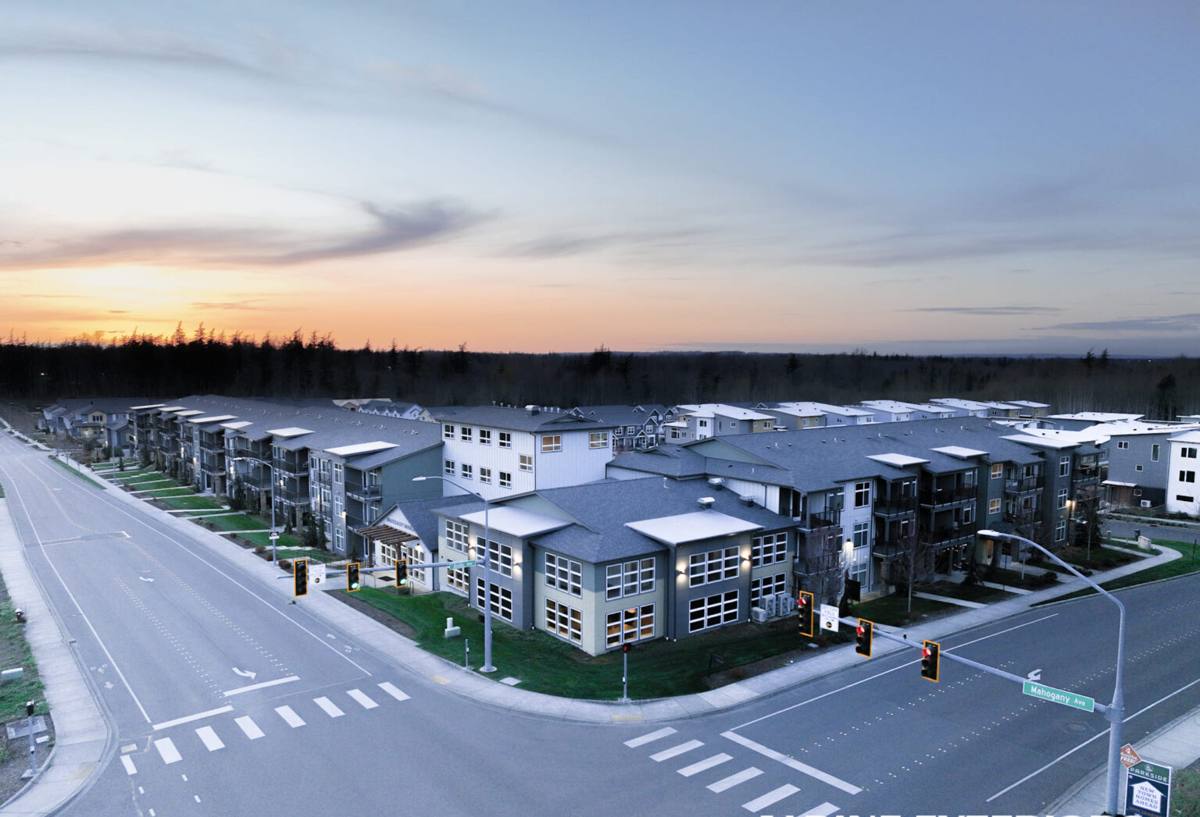
What Salt Air, Rain, and Moss Actually Do to Siding
Salt Air
Airborne salt is corrosive to metal fasteners, trim, and flashing, and it accelerates the breakdown of paint and coatings that aren't formulated to resist it. Over years, salt exposure is a big reason siding on waterfront and near-waterfront homes fades, chalks, or fails faster than the same product would inland.
Wind-Driven Rain
Rain that's being pushed sideways by wind doesn't behave like ordinary rainfall. It gets forced up under laps, into seams, and around penetrations that would stay dry in calmer weather. Siding systems on exposed island lots need tighter water management — correct lap coverage, properly bedded flashing, and a drainage plane behind the cladding — or moisture works its way behind the siding and into the wall assembly.
Moss and Algae
Shaded, damp sites support moss and algae growth on any surface that stays wet. Beyond the cosmetic green streaking, sustained moisture against siding and trim softens caulking, keeps wood-based products perpetually damp, and shortens the life of paint film. A siding material that doesn't absorb and hold water gives moss less to grow on and holds its finish longer.
Why James Hardie Is the Right System for This Exposure
James Hardie fiber cement is engineered from cement, sand, and cellulose fiber — it doesn't swell, rot, or delaminate the way wood-based sidings can when they stay wet. That matters directly for a site like Lummi Island, where damp shade and salt-laden air are part of daily conditions, not occasional weather events.
A few specifics that are relevant to this exposure:
- HZ5 engineered panels — Hardie's HZ product line is engineered for regions with more moisture and freeze-thaw cycling; for coastal Whatcom County exposure, using the correct HZ specification matters more than on a sheltered inland lot.
- ColorPlus factory finish — a baked-on finish applied under controlled conditions holds color and resists fading, chalking, and salt-related wear better than field-applied paint, and it carries its own finish warranty separate from the substrate warranty.
- Non-combustible core — not a moisture issue specifically, but a genuine structural advantage over vinyl or wood-based sidings, and worth factoring into any long-term siding decision.
- Dimensional stability — fiber cement doesn't expand and contract with humidity the way wood does, so caulked joints and butt seams stay tighter over time in a climate that swings between soaked and dry.
We don't install LP SmartSide, vinyl, Cemplank, Allura, primed spruce, or cedar. Each of those has legitimate uses elsewhere, but for the moisture load and salt exposure this island sees, we've standardized on Hardie because it's the product we're comfortable warrantying and standing behind on this kind of site.
What a Correct Installation Actually Involves
The product is only half the equation. James Hardie siding installed without attention to water management performs no better than a cheaper material — sometimes worse, because a poor install can trap moisture against the panel. On an exposed coastal lot, these details aren't optional extras; they're what makes the difference between siding that lasts and siding that fails early.
| Install Element | Why It Matters on Lummi Island |
|---|---|
| Weather-resistive barrier + drainage gap | Gives wind-driven rain that gets past the siding a way to drain out instead of sitting against the sheathing |
| Correct fastener type and spacing | Stainless or coated fasteners resist salt-air corrosion; correct spacing prevents panel movement and cracked caulk joints |
| Proper flashing at windows, doors, and penetrations | These are the points where sideways rain intrudes first; flashing has to be layered correctly, not just caulked |
| Kick-out flashing at roof-wall intersections | Diverts roof runoff away from the wall instead of letting it run down behind the siding |
| Factory-primed cut edges sealed on site | Any field-cut panel edge needs to be sealed to keep moisture from wicking into the cut end |
| Manufacturer-specified clearance from grade, decks, and roofing | Keeps the bottom edge of the siding out of standing moisture and splash-back |
Every one of these is spelled out in James Hardie's installation instructions, and skipping any of them can void the manufacturer's warranty — separate from whether the job simply performs poorly in the weather.
Our Process for Lummi Island Homes
1. On-Site Assessment
We look at existing siding condition, wall assembly, sun and wind exposure for that specific lot, and any moisture or moss issues already visible. Exposure varies a lot from one side of the island to another, so this isn't a one-size-fits-all evaluation.
2. Tear-Off and Sheathing Inspection
Removing the old siding lets us check for hidden water damage, deteriorated sheathing, or trapped moisture before anything new goes on. Covering up a problem is how small issues turn into structural ones.
3. Water Management Layer
We install the weather-resistive barrier, drainage plane, and flashing system correctly before a single piece of siding goes up. This is the step that determines long-term performance more than any other.
4. Hardie Panel Installation
Panels are installed to manufacturer spec — correct fastener pattern, proper clearances, sealed cut edges, and attention to every penetration and transition.
5. Final Walkthrough
We go over the finished work with the homeowner, confirm warranty registration, and make sure trim, caulking, and touch-up details are complete.
Why a Crew That Already Works Lummi Island Matters
Lummi Island isn't reached the same way most job sites are — it's a ferry-served community, and that changes how a project has to be planned. A crew unfamiliar with that logistics reality tends to underestimate scheduling, material staging, and coordination, which shows up as delays or rushed work.
- Material orders and deliveries have to be planned around ferry capacity and schedule, not just a truck's drive time.
- Crews and equipment need to be staged efficiently so a work day isn't lost to transit.
- Weather windows matter more when a return trip isn't as simple as driving back the next morning.
- Familiarity with typical island lot exposure (waterfront versus interior, tree cover, wind direction) speeds up an accurate assessment.
None of that is complicated, but it's the kind of practical detail that separates a contractor who treats island jobs as routine from one who's improvising. A crew that regularly works Whatcom County's coastal and island properties plans for these factors up front instead of discovering them mid-project.
Cost Factors for a Lummi Island Siding Project
Every home is different, and we don't quote pricing without seeing the actual site, but these are the factors that most affect cost on an island siding project:
| Factor | Why It Affects Cost |
|---|---|
| Existing siding removal and disposal | Tear-off, hauling, and disposal logistics are part of most re-siding projects |
| Sheathing or framing repair | Hidden moisture damage found during tear-off adds scope, especially on older coastal homes |
| Home size and wall complexity | Dormers, multiple gables, and cut-up wall lines increase labor and material waste |
| Hardie product line chosen | Panel, plank, and shingle profiles, plus HZ5 specification, vary in material cost |
| Trim and accessory scope | Fascia, soffit, and trim replacement alongside siding adds to the total project |
| Site access and transport logistics | Ferry-dependent delivery and staging is a real, if often overlooked, factor for island projects |
A Homeowner's Checklist Before Hiring
Whether you hire us or someone else, these are worth confirming before signing a siding contract on Lummi Island:
- Is the contractor a certified or experienced James Hardie installer, with references from similar coastal or island jobs?
- Does the proposal specify the exact Hardie product line and whether HZ5 is being used?
- Does the bid include the water-resistive barrier, drainage gap, and flashing details — not just "siding install"?
- Is fastener type specified, and is it appropriate for salt-air exposure?
- Does the contractor have a realistic plan for material delivery and crew logistics tied to the ferry schedule?
- Is the manufacturer's warranty registration included, and does the installer understand what voids it?
Let's Take a Look at Your Home
If your Lummi Island home is due for new siding, or you're seeing early signs of moisture, moss, or fading on what's up there now, we're happy to come take a look. There's no pressure and no cost for an estimate — just an honest read on what your home needs and what a correct James Hardie installation would involve. Fill out the form below and we'll get in touch.