 Birch Bay Siding
 Windows Built for the California Creek Microclimate
California Creek sits close enough to Semiahmoo Bay and the Strait of Georgia that homes here take on a different kind of weather load than houses just a few miles inland in Whatcom County. Salt-laden air off the water works its way into hardware and finishes. Wind-driven rain hits window assemblies at an angle, not straight down, which means water finds gaps that a calm-weather storm never would. And the long stretch of grey, damp months each year keeps everything — siding, trim, and window frames — wet longer than it takes to dry out before the next system rolls through.
None of that is unique to any one house. It's the baseline condition for this stretch of coastline. Windows that aren't specified and installed with that in mind don't fail dramatically — they fail slowly, through fogged glass, soft trim, rising heating bills, and drafts you notice on a cold, windy night long before you notice them anywhere else.
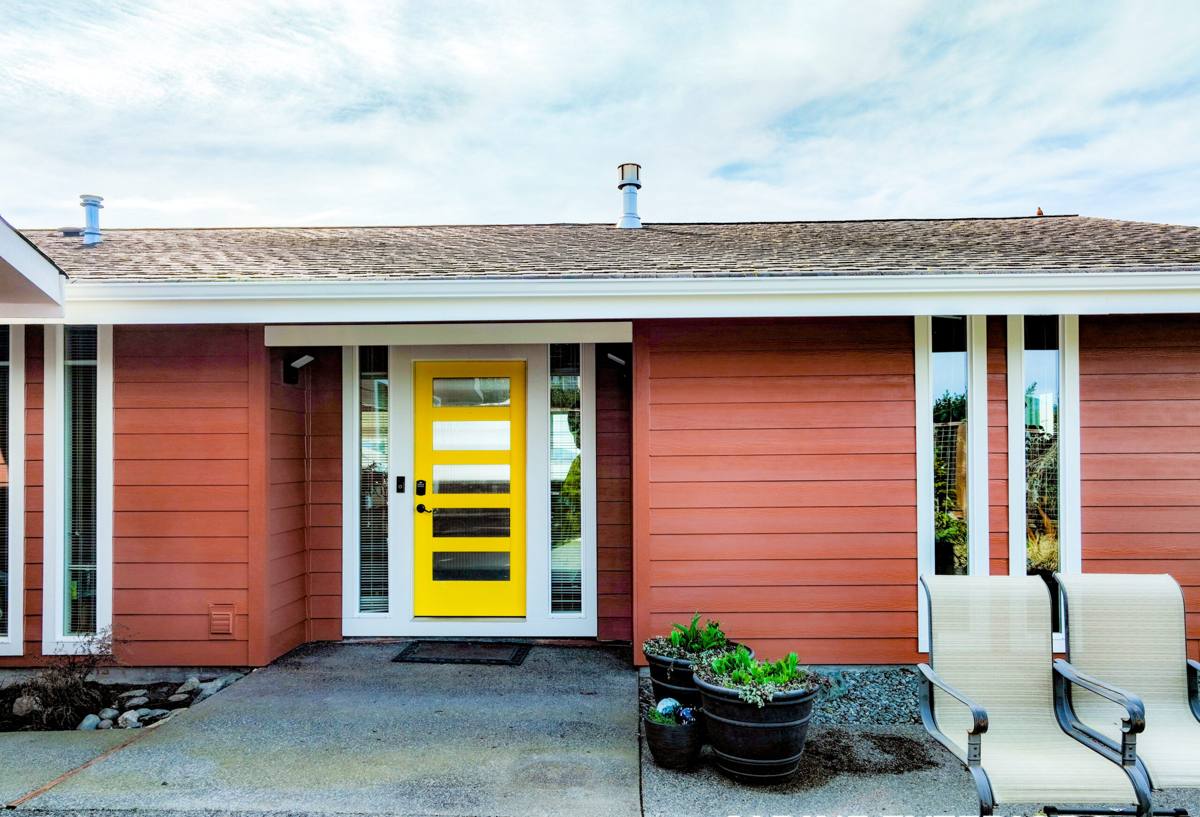
How the Climate Actually Wears Windows Down
Salt Air and Hardware
Airborne salt is corrosive to unprotected metal. Cheaper window hardware — hinges, locks, balance mechanisms — can start to pit or seize up years before it would in a drier, inland location. This is a maintenance and lifespan issue as much as an efficiency one: hardware that doesn't latch tightly anymore stops compressing the weatherstripping the way it's supposed to, and that's where your energy efficiency actually leaks out.
Driving Rain and Water Intrusion
Wind-driven rain doesn't just test the glass and frame — it tests the flashing, the sill pan, and the seal between the window and the wall around it. A window can have excellent ratings on paper and still perform poorly if it's flashed incorrectly or caulked instead of properly integrated with a water-resistive barrier. Water that gets behind a window doesn't just cause a stain; it rots framing and ruins insulation from the inside, where you can't see it happening.
Moss, Mildew, and Prolonged Dampness
The long moss season here means anything that stays shaded and damp for weeks at a time becomes a growth surface. Window sills, especially wood or poorly sealed composite sills, are a common spot for this. Beyond the cosmetic issue, sustained moisture at the sill is a slow path to wood decay and compromised seals.
Signs Your Current Windows Are Losing You Money
- Cold drafts near the window frame on windy days, even with the window fully latched
- Condensation or fogging between the panes of a double-pane unit (a sign the seal has failed)
- Visible gaps, soft or discolored wood at the sill or corners
- Hardware that's stiff, corroded, or doesn't pull the sash tight anymore
- A noticeable difference in room temperature near windows compared to the rest of the house
- Rising heating costs without a clear explanation elsewhere in the home
Any one of these on its own might just mean a tune-up or resealing job. Several at once, especially on a home over 15-20 years old, usually points to windows that are past the point where repair makes more sense than replacement.
What "Energy-Efficient" Actually Means for a Window
Energy efficiency in a window comes from three things working together, not from a single feature on a sales sheet.
The Glass Package
Double-pane glass with a low-E coating and an inert gas fill (typically argon) is the standard efficient baseline for this region. Triple-pane glass adds another layer of insulation and can be worth it on north-facing walls or homes that catch the brunt of the wind, but it adds cost and weight, and for many California Creek homes double-pane low-E glass is the more practical choice.
The Frame Material
The frame matters as much as the glass for a coastal home, because the frame is what has to hold up to salt air and moisture cycling year after year. We'll walk through the trade-offs below.
The Installation
This is the piece that gets skipped most often, and it's the one that determines whether the first two even matter. A well-rated window installed with poor flashing and sealing will underperform a modest window installed correctly. We treat the installation — not just the product — as the actual scope of the job.
Choosing a Frame Material for a Coastal Home
| Frame Material | How It Handles Salt Air & Moisture | Maintenance | Trade-Offs |
|---|---|---|---|
| Vinyl | Doesn't corrode or rot; handles salt air well | Low — occasional cleaning | Can't be painted to match trim changes later; quality varies widely by manufacturer |
| Fiberglass | Very stable in temperature swings and moisture; strong resistance to warping | Low | Higher upfront cost than vinyl |
| Wood (clad or unclad) | Attractive, but exposed wood is vulnerable to prolonged dampness and the local moss season | High — regular finish maintenance needed | We generally steer clients away from unclad wood on exposed, water-facing walls here — it's a real maintenance commitment, not a defect in the product itself |
| Aluminum | Strong but conducts heat and cold readily; can corrode without proper coating | Moderate | Rarely our first recommendation for efficiency-focused replacement in this climate |
For most California Creek homes, we point clients toward vinyl or fiberglass for water-facing walls, reserving wood-look options for more protected elevations if the homeowner wants that appearance. This isn't a knock on any one manufacturer — it's about matching the material's real-world behavior to this specific stretch of coastline.
What a Correct Installation Involves
Replacing a window is not just pulling the old one out and setting a new one in the same hole. On a home exposed to driving rain, the details around the window matter as much as the window itself.
- Remove the old unit and inspect the rough opening for hidden rot, soft framing, or prior water damage before anything new goes in
- Install or repair the sill pan so any water that does get past the exterior is directed back out, not into the wall cavity
- Integrate flashing with the home's water-resistive barrier in the correct shingle-lap order, so water is always directed downward and outward
- Set the window plumb, level, and square — a slightly racked window stresses the seals and hardware from day one
- Insulate the gap around the frame properly, without overpacking, which can bow the frame and affect operation
- Seal and trim the exterior with materials suited to sustained coastal moisture exposure
- Test operation and seal before calling the job done
Skipping or rushing any of these steps is how a brand-new, well-rated window still ends up with a draft or a soft spot in the wall three years later.
What Affects the Cost of a Window Project
| Factor | Why It Matters |
|---|---|
| Number and size of windows | The most straightforward cost driver — larger openings and more units mean more material and labor |
| Frame material | Vinyl is typically the most budget-friendly; fiberglass and clad wood cost more upfront |
| Glass package | Triple-pane and specialty coatings add cost over standard low-E double-pane |
| Condition of the rough opening | Hidden rot or water damage found during removal adds repair work before the new window can go in |
| Wall exposure | Water-facing elevations may warrant extra flashing detail or a higher-spec unit than a sheltered wall |
| Retrofit vs. full-frame replacement | Full-frame replacement costs more but is often the right call when there's existing water damage or the opening needs to be corrected |
We won't quote a job without seeing the actual windows and openings — a phone estimate on a coastal home is a guess, and we'd rather give you an accurate number than a fast one.
Living With the Moss Season and Coastal Air After Installation
New windows aren't maintenance-free, especially here. A little seasonal attention keeps them performing the way they're supposed to:
- Rinse accumulated salt residue off frames and hardware a few times a year, especially after storms off the water
- Keep weep holes (the small drainage openings at the bottom of the frame) clear of debris and moss so water can drain out as designed
- Check exterior caulking annually for cracking or separation, particularly after a hard winter
- Operate hardware periodically through the wetter months so mechanisms don't sit stagnant
None of this is a lot of work, but skipping it is how even a good window installation starts to underperform after several years in this climate.
Why Local Installation Experience Matters in California Creek
Window installation instructions from a manufacturer are written for average conditions across the country. They're not written for a wall that takes wind-driven rain off the water several months a year, or for a rough opening that's been slowly absorbing moisture for two decades before anyone noticed. A crew that has worked windows throughout Birch Bay and the surrounding Whatcom County coastline knows to check for that damage before it becomes your problem, knows which frame materials actually hold up on an exposed elevation here, and doesn't treat this job the same way it would on a dry, inland property. That's the difference between a window that looks right on installation day and one that's still performing correctly five winters from now.
If you're noticing drafts, fogged glass, or rising heating bills in your California Creek home, we're happy to take a look and give you a straightforward, no-pressure estimate — just fill out the form below.