 Birch Bay Siding
 Blaine Decks Take a Different Kind of Beating
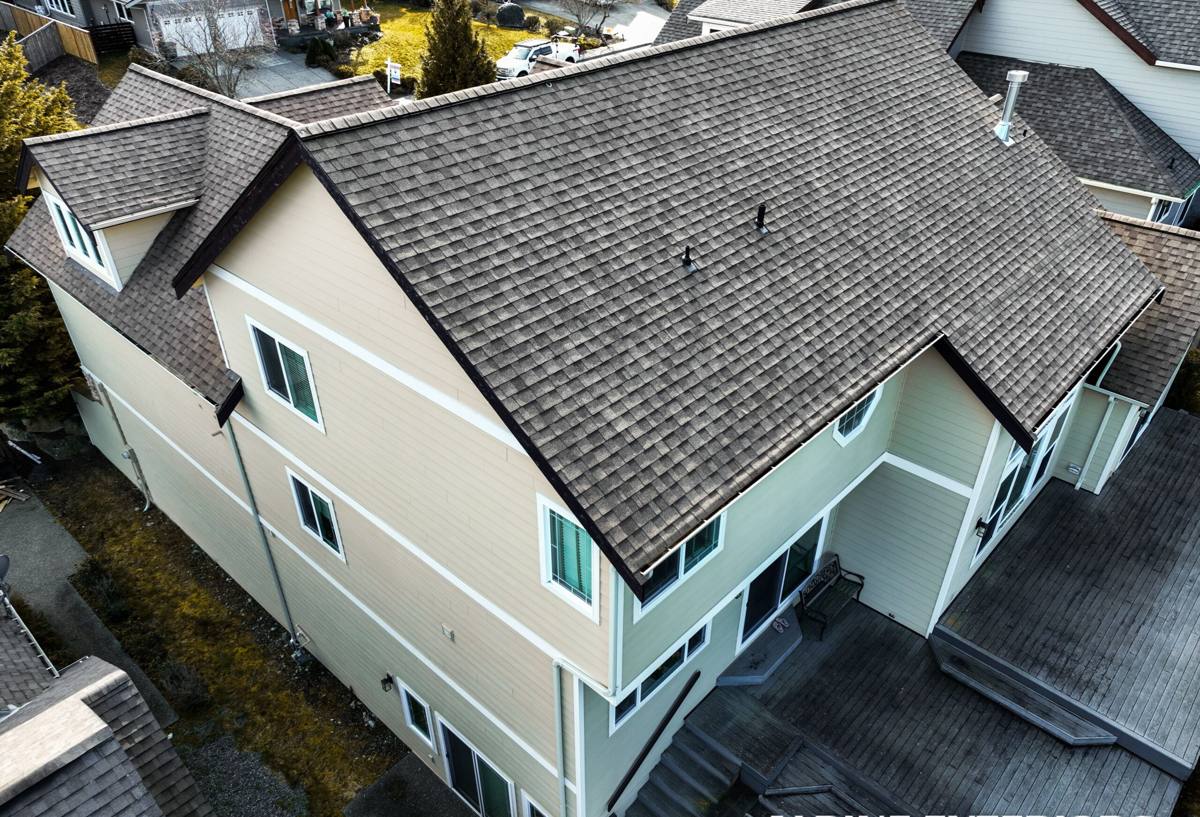
Blaine sits about as close to saltwater and open weather as a Whatcom County property can get, and it shows on decks before it shows almost anywhere else on a house. Between the driving rain that blows in off the Strait, the salt air carried inland from Semiahmoo Bay and Drayton Harbor, and a moss season that can run from October clear into May, an outdoor deck in this corner of the county ages faster than the same structure would forty miles inland. We've replaced enough decks in and around Blaine to know the failure pattern by heart: it almost always starts underneath, not on top.
This page is about deck replacement specifically for Blaine homes near Birch Bay, not a generic "how decks work" article. If you're trying to figure out whether your deck needs a repair or a full rebuild, what a correct replacement actually involves out here, and why local experience matters more than it might in a drier climate, this is written for you.
Why Salt Air, Rain, and Moss Compound Each Other
Each of these factors is manageable on its own. Together, out here, they compound.
- Salt air accelerates corrosion on fasteners, joist hangers, and any exposed metal hardware — even hardware rated for general exterior use wears faster this close to the water.
- Driving rain off the water doesn't fall straight down; it gets pushed sideways under railings, into ledger connections, and behind poorly flashed trim, so water intrusion often happens in places a homeowner never sees.
- Moss and algae hold moisture against wood and composite surfaces for months at a stretch during our wet season, keeping boards damp long after a drier climate would have let them dry out.
The result is that decks here tend to fail from the inside out — a joist or ledger board rots away while the top of the deck still looks presentable. That's the trap: a deck can look fine from a distance and still be structurally compromised underneath.
Repair or Replace? Signs to Watch For
Not every tired-looking deck needs a full teardown. But in our experience working this area, certain signs mean patching individual boards is a waste of money and time.
- Soft or spongy spots when you walk across the deck, especially near the house or at stair landings
- Rust staining or streaking below joist hangers, bolts, or ledger connections
- Visible gaps, cracking, or separation where the ledger board meets the house
- Persistent green or black staining that returns within weeks of cleaning
- Railings that flex or feel loose when leaned on
- A deck more than fifteen to twenty years old, built with untreated fasteners or without proper ledger flashing — common before code updates addressed that detail
If you're only seeing surface graying or light moss on the boards themselves, that's often a cleaning and refinishing job, not a replacement. We'll tell you honestly which situation you're in — we don't have any incentive to sell a rebuild when a repair will hold.
What a Correct Deck Replacement Involves
Footings and Framing
Everything above ground depends on what's below it. For a Blaine rebuild, that means footings sized and set to current frost and load requirements, posts set on proper post bases instead of buried directly in concrete (which traps moisture against the wood), and joists spaced to match whatever decking material you choose — composite and PVC boards typically need tighter joist spacing than solid wood to avoid flexing over time.
The Ledger Board — the Most Important Connection
The ledger is where the deck attaches to the house, and it's the single most common point of failure we find in this climate. A correctly installed ledger includes flashing that directs water away from the house band joist, a waterproof membrane behind that flashing, and structural fasteners sized for the load — not just deck screws. Skipping or shortcutting ledger flashing is the number one reason we find hidden rot in decks that otherwise look sound from the top.
Fasteners and Hardware
Given the salt air off Semiahmoo Bay and the Strait, we treat hardware selection as a real decision, not an afterthought. Stainless steel or heavy hot-dip galvanized hardware rated for coastal exposure costs more up front but avoids the rust streaking and premature hardware failure that cheaper coated fasteners develop within a handful of seasons this close to saltwater.
Decking Material
Once the structure underneath is right, the decking surface itself is largely a matter of budget, maintenance tolerance, and appearance — covered in the comparison below.
Decking Material Comparison for Blaine's Climate
There's no single "best" decking material — there's a best fit for your budget and how much upkeep you're willing to do. Here's how the main options hold up against our rain, salt air, and moss season specifically.
| Material | Upfront Cost | Maintenance in This Climate | Moss/Moisture Resistance | Typical Lifespan |
|---|---|---|---|---|
| Pressure-treated wood | Lowest | Annual cleaning and re-sealing recommended to fight moss and graying | Fair — needs consistent upkeep | 10-15 years |
| Cedar | Moderate | Periodic oiling or sealing; naturally more moss-resistant than treated wood | Good | 15-20 years |
| Capped composite | Higher | Occasional washing; no sealing or staining required | Very good | 25-30 years |
| PVC decking | Highest | Lowest — simple washing, fully non-organic surface | Excellent | 30+ years |
Our default recommendation for Blaine homes, especially anything within a mile or two of the water, is capped composite or PVC. The extra upfront cost usually pencils out against the labor of annual sealing on wood, and neither material gives moss the organic surface it needs to take hold the way bare wood does. That said, plenty of homeowners prefer the look and feel of real wood and are willing to keep up the maintenance — we install both and will give you a straight answer on what each choice actually costs you over ten years, not just on day one.
What Actually Drives the Price
Decking material is only one line item. Square footage matters, but so does what we find once the old surface comes off — a deck with hidden ledger rot or undersized footings costs more to fix properly than one where the structure is sound and only the surface needs replacing. Multi-level decks, built-in benches or planters, stairs, and railing style (basic vertical balusters versus cable or glass panel systems) all add labor. Permit fees are a smaller but real part of the total. We break all of this out in the written estimate so you can see exactly what you're paying for, rather than a single lump number.
Our Deck Replacement Process
- On-site assessment. We inspect the existing structure from underneath where possible — joists, ledger, footings — not just the surface, so you know what you're actually dealing with before we quote anything.
- Written estimate. Clear scope, materials, and price, with options at different budget levels if you want to compare wood against composite or PVC.
- Permitting. Most deck replacements in Whatcom County require a building permit, particularly for anything attached to the house or built above a certain height — we handle that paperwork rather than leaving it to you.
- Demolition and disposal. Full removal of the old decking, framing, and any compromised ledger material, hauled off the site.
- Rebuild. Footings, framing, ledger flashing, and decking installed to code, with attention to the fastener and hardware choices covered above.
- Final walkthrough. We go over the finished deck with you, including basic care guidance for whatever material you chose.
Permits, Code, and Timing in Whatcom County
Permits and Code
We won't pretend to give you a full code breakdown here — requirements depend on the deck's size, height, and attachment method, and they can change — but a few things hold true for most Blaine projects: decks attached to the house and any deck built more than a modest height above grade typically require a permit, guardrails are required above a certain height with minimum baluster spacing to meet current safety code, and stair and landing dimensions are also regulated. Skipping the permit is a common shortcut with cheap operators, and it can come back to bite you at resale when a buyer's inspector flags unpermitted work. We pull permits as a standard part of the job.
Best Time of Year to Schedule
Late spring through early fall gives us the most consistent dry windows for tear-off, framing, and finish work — sealants, adhesives, and stains all cure better without rain interrupting the schedule. That said, we do work outside that window when the forecast cooperates; we'd rather give you an honest timeline based on actual weather than promise a date we can't hit.
Caring for a New Deck in Birch Bay's Climate
A correctly built deck still needs some seasonal attention out here, whatever material you chose. A little consistency goes a long way toward getting the full lifespan out of the investment.
- Sweep debris and standing leaves off the deck regularly through fall, when moss gets its foothold
- Rinse or lightly scrub composite and PVC surfaces once or twice a year to prevent algae film from building up
- Re-seal or re-stain wood decking on the schedule the product calls for — usually every one to two years in this climate, sooner than manufacturers suggest for drier regions
- Check that gutters and downspouts near the deck aren't dumping extra water onto or under it
- Inspect railings and stair connections once a year for any looseness
- Keep planters and anything else that traps moisture up off the deck surface, or set them on feet or risers
Why Local Experience Matters for This Job
Deck replacement isn't exotic work, but doing it right in a place like Blaine means understanding how this specific stretch of coastline behaves — where wind-driven rain actually ends up, how fast moss takes hold on a north-facing deck under tree cover, and which hardware holds up against salt air instead of streaking within a year or two. A crew that mostly works inland can build a technically fine deck and still get those details wrong for this environment. We work Birch Bay, Blaine, and the surrounding Whatcom County coastline regularly, and we build to that climate, not to a generic spec sheet.
If your deck is showing soft spots, rust stains, or just isn't holding up the way it should, we're happy to take a look and give you a straight assessment — no pressure, no upsell. Fill out the form below for a free estimate on your Blaine deck replacement.