 Birch Bay Siding
 Deck Building in Marietta, Birch Bay
Marietta sits close enough to the water that every outdoor structure on the property feels it — salt in the air, wind off the bay, and a rain season that runs long even by Washington standards. A deck built here does more work than a deck built twenty miles inland, and it has to be built differently to hold up. We put crews in Marietta and the surrounding Birch Bay area regularly, so this isn't theoretical for us. It's the same set of framing, fastener, and material decisions we make on nearly every project in this neighborhood.
This page covers what actually matters for a deck in this specific stretch of Whatcom County: what the climate does to different materials and connections over time, what a correctly built deck looks like from the ground up, and how we run the job from first look to final walkthrough.
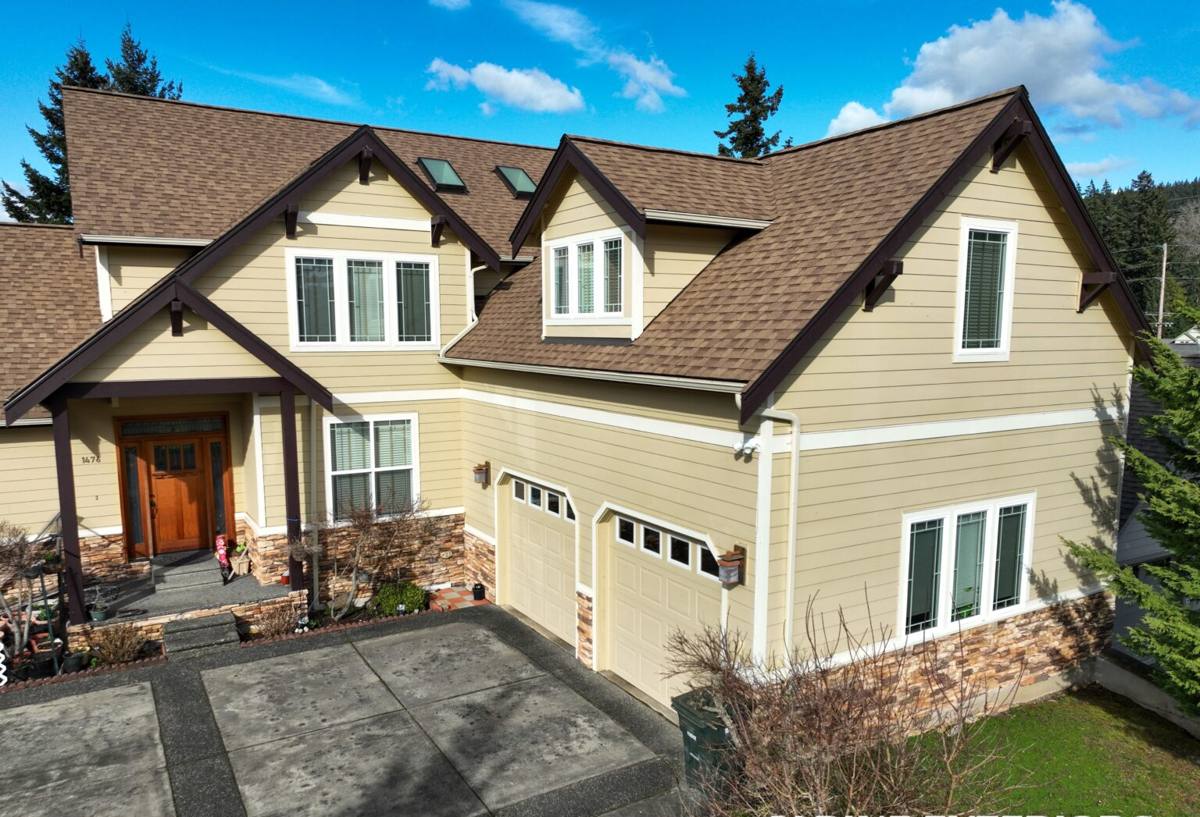
What Salt Air, Rain, and Moss Do to a Deck
Three things define outdoor construction in Marietta, and they compound each other.
Salt Air
Airborne salt off the bay accelerates corrosion on anything metal — fasteners, joist hangers, railing brackets, bolts. A deck built with hardware rated for general exterior use, rather than coastal or marine-grade exposure, will show rust and pitting years before it should. This is one of the most common shortcuts we see on older decks in this area, and it's almost always invisible until you pull up a board and look underneath.
Driving Rain
Birch Bay doesn't just get rain — it gets rain pushed sideways by wind coming off the water. That matters for a deck because water doesn't just fall on the surface, it drives into ledger connections, under railing posts, and into any gap where end grain is exposed. Standing water and repeated wetting-and-drying cycles are what rot framing lumber and delaminate cheaper composite boards from the inside out.
Moss and Prolonged Dampness
Long stretches of overcast, damp weather mean moss and algae get a real foothold on any horizontal wood or composite surface that doesn't drain and dry quickly. Beyond the surface issue, moss holds moisture against the decking material for extended periods, which shortens the life of the boards underneath it and makes the whole surface slicker and more slippery underfoot.
None of this means a deck can't hold up in Marietta for decades. It means the material choices, fastener grade, and drainage details have to account for the environment from day one, not get patched in later.
Choosing Decking Material for This Climate
There's no single "best" decking material — there's a best material for this specific site, this specific budget, and how much upkeep the homeowner actually wants to do. Here's how the common options hold up under Birch Bay conditions.
| Material | Performance in Salt Air & Rain | Moss/Algae Resistance | Maintenance |
|---|---|---|---|
| Pressure-treated fir/pine | Good if properly sealed and re-sealed; end grain and cut edges need extra treatment | Low — needs regular cleaning and treatment | Annual cleaning, re-sealing every 1-2 years |
| Cedar | Naturally moisture- and rot-resistant; still benefits from a finish near the water | Moderate — better than pine, still needs cleaning | Cleaning plus periodic oil or sealant |
| Capped composite | Strong — the cap resists moisture intrusion better than uncapped boards | Good — smoother surface sheds moss more easily | Periodic washing, no staining or sealing |
| Uncapped/lower-grade composite | Weaker — some older or budget composites absorb moisture at the core | Moderate | More frequent cleaning; watch for swelling at cut ends |
| PVC decking | Very good — non-porous, doesn't absorb water | Good — hard surface, easy to clean | Low; occasional washing |
We'll walk through this table with the actual budget and look you have in mind rather than push one product line. The honest trade-off is usually upfront cost versus long-term maintenance — wood costs less to install and more in ongoing labor, capped composite and PVC cost more upfront and less in yearly upkeep.
The Structural Details That Actually Matter
The decking surface is what you see. The framing underneath is what determines whether the deck is still solid in fifteen years. In a coastal, wet climate, a few details separate a deck that lasts from one that needs early repair.
Ledger Attachment
Where the deck attaches to the house is the single most common failure point on any deck, anywhere — and it's worse near the water. Proper flashing behind the ledger board, correctly spaced lag bolts or structural screws, and a gap or flashing detail that keeps water from tracking behind the siding are non-negotiable. This is also the connection point most likely to have been done wrong on an older deck, since it's hidden once the siding and decking are in place.
Fasteners and Hardware
Stainless steel or coated fasteners rated for coastal/marine exposure cost more than standard exterior-grade hardware, but they're the difference between hardware that lasts the life of the deck and hardware that's visibly rusting within a few seasons. This applies to joist hangers, structural screws, railing hardware, and any exposed bolts.
Post Bases and Footings
Posts that sit directly on or in concrete without a proper standoff base wick moisture up into the end grain, which is exactly where rot starts. Post bases that hold the wood above the concrete surface, combined with footings set to the correct depth for our frost and soil conditions, keep the vertical structure sound.
Drainage and Airflow Underneath
A deck built low to the ground with poor airflow underneath stays damp longer after every rain. Where grading and height allow, we build in enough clearance and slope for water to move away from the structure instead of pooling under it.
Railings, Stairs, and Finish Work
Railings and stairs take direct weather exposure and the most physical wear of any part of the deck, so the details matter as much here as they do in the framing.
- Railing posts anchored with corrosion-resistant hardware and properly blocked framing underneath — a wobbly post is almost always a sign of inadequate blocking, not just a loose bolt
- Stair stringers sized and fastened to code, with attention to how water sheds off each tread
- Fascia and trim boards installed with a drainage gap where they meet the framing, so moisture doesn't get trapped behind them
- Post caps or covers to keep water from sitting on top of end grain
- Baluster spacing that meets current code for the railing height involved
These are small line items on an estimate, but they're where a lot of premature deck problems actually start.
How We Build a Deck in Marietta
The process is the same discipline on every project, adjusted for the specific site, sun exposure, and how exposed the lot is to wind and rain off the bay.
- On-site assessment. We look at the house connection point, grade, drainage, sun/wind exposure, and existing structure if we're replacing a deck.
- Material and layout conversation. We go through decking material, railing style, and layout options against your budget and maintenance preferences — including the trade-offs in the table above.
- Permitting. Most deck projects in Whatcom County require a permit, particularly above a certain height or attached to the structure. We handle that process as part of the job.
- Demolition (if applicable). Old decking, framing, and hardware are removed and the ledger area is inspected for hidden rot before anything new goes up.
- Framing. Ledger, posts, footings, and joists are built to code with coastal-grade hardware throughout.
- Decking, railing, and stairs. Surface material and railing system are installed with the drainage and fastener details covered above.
- Final walkthrough. We go over the finished deck with you, including basic care so it ages the way it should.
Permits and Local Considerations
Deck projects in Whatcom County typically go through a permitting process, especially for decks attached to the house or built above a certain height off grade. Setback requirements and, depending on the lot, shoreline-related regulations can also come into play for properties close to the water. We handle the permit application and inspection process as part of the build so you're not the one chasing paperwork — but it's worth knowing upfront that a legitimate deck project in this area almost always involves a permit, and that's a normal part of doing it right, not an added inconvenience.
Keeping a Marietta Deck in Good Shape
Whatever material you choose, a little routine attention goes a long way in this climate. A basic seasonal checklist:
- Sweep debris and standing leaves off the surface regularly, especially going into fall and winter
- Wash the deck surface at least once or twice a year to keep moss and algae from establishing
- Check railing posts and stair connections annually for any looseness
- Inspect fasteners and hardware for early rust or corrosion, particularly near the ledger and post bases
- Re-seal or re-stain wood decking on the schedule the product calls for — don't let it go past due in this climate
- Keep gutters and downspouts near the deck clear so runoff isn't dumping directly onto or under the structure
Catching a small issue — a loosening post, a patch of moss, a fastener starting to show rust — early is a lot cheaper than dealing with structural rot later.
Why a Local Crew Matters for This Job
Deck building isn't exotic work, but building one that's actually suited to a specific coastal microclimate takes local judgment. A crew that mostly works inland projects may default to standard-grade hardware, standard drainage details, or a decking product that performs fine in a drier area but struggles here. We work Birch Bay and the surrounding Whatcom County coastline regularly, so the coastal-grade fasteners, ledger flashing details, and drainage planning covered on this page aren't upgrades we mention and then skip — they're our standard approach for a deck going up this close to the water.
If you're planning a new deck or replacing one that's showing its age, we're happy to come take a look and talk through honest options for your property. Reach out for a free, no-pressure estimate using the form below.