 Birch Bay Siding
 Decks Built for Point Roberts' Marine Climate
Point Roberts sits on its own peninsula on the Salish Sea, which means every deck out there deals with conditions that inland Whatcom County homes rarely see in the same combination: near-constant marine air, salt spray carried in off the water, driving rain that comes in sideways during winter storms, and a moss season that runs long into what other parts of the state would call spring. A deck built without those factors in mind will show it within a couple of seasons — soft spots at the ledger, corroding hardware, boards that stay slick with algae well past when the sun should have dried them out.
This page covers what we've learned building and repairing decks for homes in this specific area: what the climate does to different materials, what a correctly built deck actually involves, and why working with a crew that's already familiar with Point Roberts saves you time and headaches.
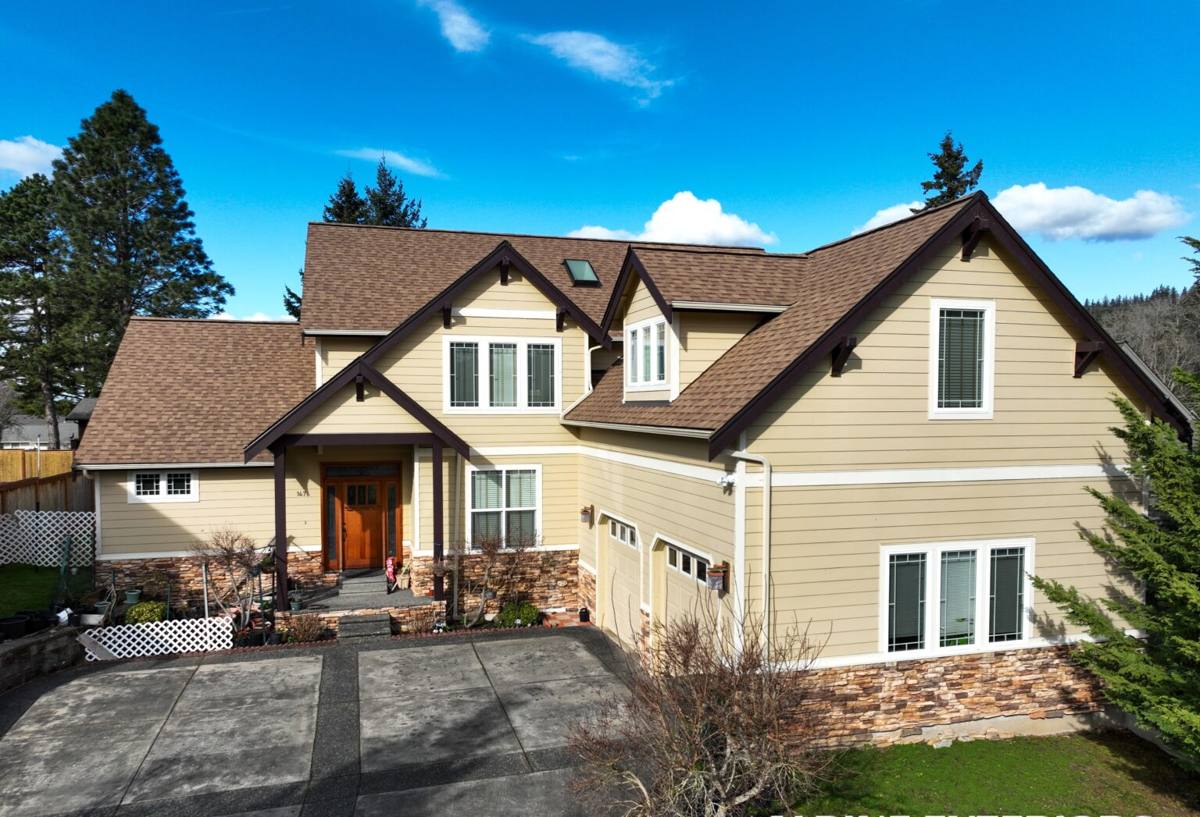
What Point Roberts Homes Need From a Deck
Salt Air Exposure
Homes close to the water get a steady dose of airborne salt, and it doesn't take direct ocean spray to cause problems — salt-laden air alone will corrode untreated steel fasteners, cheap hinges, and low-grade hardware over time. This shows up first as rust streaking down deck boards from screw heads, then as actual fastener failure. It's one of the biggest differences between building here and building a deck twenty miles inland.
Driving Rain and Drainage
Storms off the Salish Sea don't just fall straight down — wind-driven rain gets pushed under railings, into ledger connections, and behind any trim that isn't properly flashed. A deck that isn't detailed for wind-driven moisture will develop rot at the house connection long before the decking surface itself wears out, because that's where water gets trapped instead of shedding away.
A Long Moss Season
Shaded decks, north-facing decks, and anything under tree cover stays damp for months at a stretch here. Moss and algae need that sustained moisture to take hold, and once they do, deck boards get slippery and start holding water against the surface instead of letting it evaporate. Board spacing, surface texture, and how much sun a deck actually gets all factor into how bad this problem becomes.
Getting to Point Roberts — Why Local Experience Matters
Point Roberts is part of Whatcom County, but it's physically separated from the rest of the county by water and by an international border — reaching it by road means driving out of the U.S., through British Columbia, and back across the border into the peninsula. That's a real logistical wrinkle for any contractor who isn't already set up to work there.
A crew unfamiliar with that trip will often build in extra travel time, extra trips for forgotten materials, or extra cost padded into the bid to cover the hassle. A crew that already works in Point Roberts regularly has that figured out: material lists planned so nothing gets left behind, trips consolidated, and a realistic understanding of how weather and border wait times can affect a schedule. That experience translates directly into fewer delays and fewer surprises on your project.
Decking Material Options for This Climate
Every decking material handles salt air, rain, and moss a little differently. None of them are maintenance-free in this climate — the honest answer is that all of them need some level of upkeep out here, just at different intervals and in different ways.
| Material | How It Handles This Climate | Maintenance Reality |
|---|---|---|
| Pressure-treated lumber | Affordable and structurally solid, but absorbs moisture readily and needs a quality sealant to resist the wet season | Re-sealing every 1-3 years; more prone to splintering and graying without upkeep |
| Cedar | Naturally rot- and insect-resistant with a warmer look, but softer and more vulnerable to moss staining in shaded spots | Regular cleaning and periodic oiling to keep its color and resist moisture uptake |
| Composite decking | Resists rot and doesn't absorb water the way wood does, though moss and algae can still grow on the surface film in shaded, damp spots | Low upkeep, mainly periodic washing; no sealing or staining required |
| Tropical hardwoods (e.g., ipe) | Extremely dense and naturally water- and rot-resistant, but installation is unforgiving — hardware and fastening technique matter a lot in salt air | Occasional oiling if you want to keep the original color; otherwise very low maintenance structurally |
We don't push one product on every homeowner. The right choice depends on how much sun and shade the deck site gets, your maintenance appetite, and your budget — we'll walk through the real trade-offs with you rather than steering you toward whatever's easiest for us to install.
What a Correctly Built Deck Involves Here
A deck that's going to hold up on the peninsula needs a few things done right that are easy to skip and hard to notice until they fail:
Ledger Flashing and Attachment
Where the deck meets the house is the single most common failure point in this climate. Proper flashing — installed so it sheds water away from the house rather than trapping it against the ledger board — is what keeps wind-driven rain from rotting out that connection from the inside.
Footings and Framing
Footings need to be set to the depth required for this area's frost and soil conditions, and framing lumber should be rated for ground contact or exterior use where it's exposed to the elements. Cutting corners here doesn't show up on day one — it shows up as a soft or bouncy deck a few years down the road.
Fastener and Hardware Selection
Given the salt air, we favor stainless steel or marine-grade coated fasteners and structural hardware over standard galvanized options wherever budget allows, especially for anything close to the water or fully exposed to weather. It costs more upfront but avoids the rust staining and fastener failure that standard hardware runs into out here.
Board Spacing and Surface Choice
Correct gapping between boards lets water drain through instead of pooling, which matters directly for how much moss and algae take hold. On shaded sites, we'll also talk through surface textures and finishes that resist staying slick longer than a smooth, tightly-spaced surface would.
Railings and Hardware Built for Salt Air
Railings take the brunt of wind-driven rain and salt exposure since they're the most exposed part of the structure. Metal railing systems and their connection hardware are worth specifying carefully — anything less than a marine-rated or well-coated fastener tends to show corrosion staining down the baluster or post within a few seasons here. Wood railings need the same fastener consideration as the decking itself, plus attention to end-grain sealing at post tops and rail ends, since end grain is where moisture gets in fastest.
Our Process
- On-site visit and design conversation — we look at sun exposure, drainage, and how the space will actually be used before talking materials.
- Material and layout recommendations — honest trade-offs between wood, composite, and hardwood options based on your site and budget, not a one-size-fits-all pitch.
- Written estimate — clear scope and pricing before any work starts, with no surprise add-ons once the project is underway.
- Permitting — we handle the Whatcom County permit process for the build so you don't have to navigate it yourself.
- Construction — framing, flashing, decking, and railing installed to hold up against this specific climate, not a generic build.
- Final walkthrough — we go over the finished deck with you, including basic care so it lasts.
What Affects the Cost of a Point Roberts Deck
| Cost Factor | Why It Matters Here |
|---|---|
| Deck size and footprint | More square footage means more framing, footings, and decking material |
| Material choice | Composite and tropical hardwoods cost more upfront than pressure-treated lumber but ask less in ongoing maintenance |
| Height and stairs | Elevated decks need more substantial framing and additional footings, which adds labor and material |
| Railing type | Metal and cable railing systems generally cost more than wood but resist this climate's moisture differently |
| Site access and travel | A crew already established on the peninsula avoids the inefficiencies an outside contractor would need to price into a bid |
| Fastener and hardware grade | Upgrading to stainless or marine-grade hardware adds cost but reduces corrosion issues down the line |
We give straightforward, itemized estimates so you can see where the money is going and make informed decisions about where to spend and where to save.
Keeping Your Deck Ahead of the Wet Season
Whatever material you choose, a little seasonal attention goes a long way in this climate. A basic maintenance routine we recommend to Point Roberts homeowners:
- Sweep debris off the deck regularly, especially in fall, so leaves and needles don't trap moisture against the surface
- Wash the deck surface at least once a year to knock back early moss and algae growth before it takes hold
- Check fastener heads and railing connections annually for early rust staining
- Reseal or re-oil wood decking on the schedule appropriate to that material — don't wait until it looks dry and gray
- Confirm gutters and downspouts near the deck are directing water away from footings and ledger connections
- Trim back overhanging branches on shaded decks to get more sun and airflow onto the surface
Ready for an Honest Look at Your Project
If you're planning a new deck or need to replace one that hasn't held up to the salt air and rain, we're happy to come take a look and walk through your options in plain terms. Fill out the form below for a free, no-pressure estimate — we'll tell you what your site actually needs, not just what's easiest to sell.