 Birch Bay Siding
 Custer's Weather Asks More of a Roof Than People Expect
Custer sits close enough to the water that homes here deal with a different set of conditions than a roof going on further inland in Whatcom County. The salt air drifting off Birch Bay and the Strait of Georgia, the driving rain that comes sideways during winter storms, and the long stretch of wet, shaded months that let moss take hold all add up to faster wear on roofing materials that weren't chosen with this climate in mind. A roof that performs fine in a drier part of the state can start showing problems here years ahead of schedule.
Metal roofing, installed correctly, is one of the more effective answers to that combination. It's not the right fit for every home or every budget, but for Custer properties dealing with salt exposure, heavy rain, and moss pressure year after year, it solves problems that asphalt shingles and even some other materials struggle with long-term.
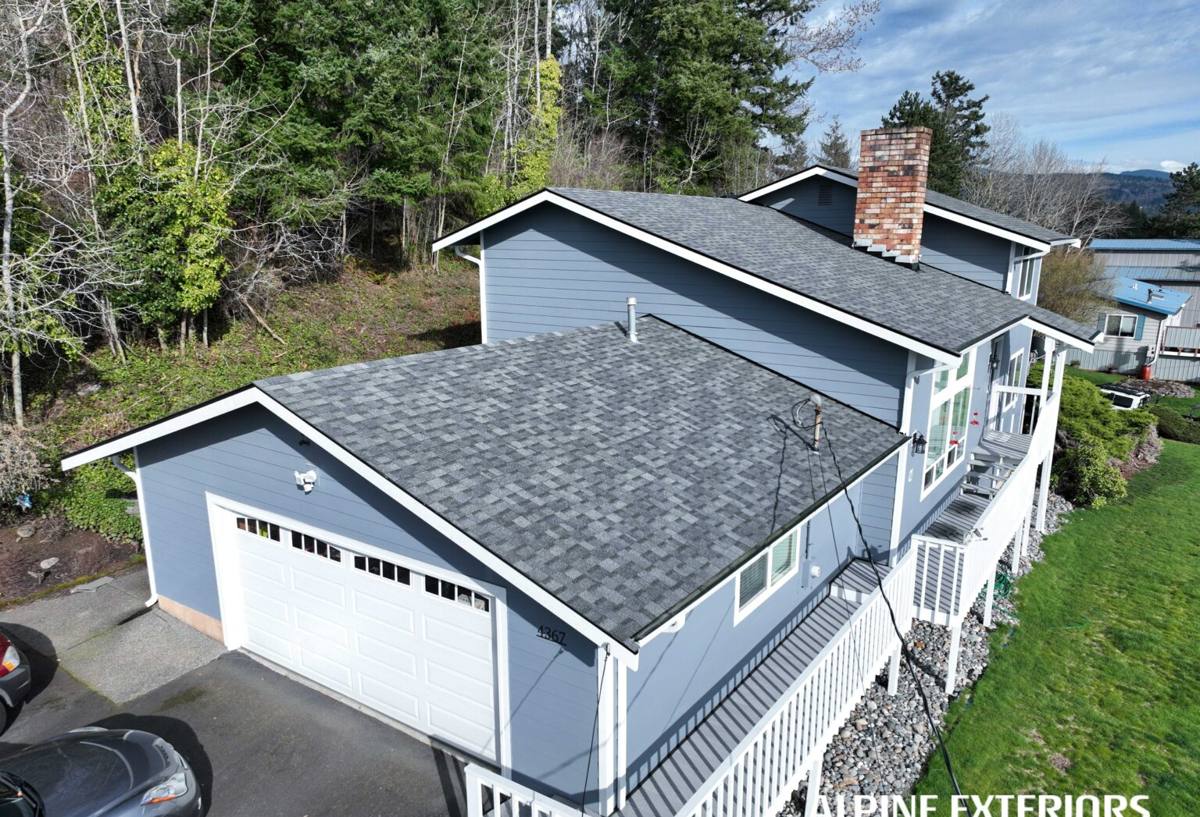
What Salt Air, Rain, and Moss Actually Do to a Roof
Salt-Laden Air and Corrosion
Airborne salt from Birch Bay doesn't just affect homes right on the water. It travels on the wind and settles on roofing surfaces throughout the surrounding area, including Custer. Over time, salt accelerates corrosion on any metal fasteners, flashing, or panels that aren't rated for coastal exposure. This is why the specific alloy, coating, and fastener hardware matter more here than they would on a similar roof 20 miles inland — using standard-grade materials in a salt-air environment is one of the most common ways a metal roof underperforms its warranty.
Driving Rain and Wind-Driven Moisture
Whatcom County storms often bring rain that moves horizontally, not just straight down. That kind of wind-driven rain finds its way into seams, laps, and penetrations that would stay dry in a calmer climate. A roof system here needs underlayment and flashing details built for water that's being pushed uphill and sideways, not just water running downhill under gravity.
The Long Moss Season
Custer's tree cover, shaded rooflines, and extended wet season create ideal conditions for moss and algae growth for much of the year. On asphalt shingles, moss roots into the granules and lifts them, shortening the life of the roof. Metal roofing gives moss a much harder surface to grip, and a properly designed metal roof sheds water fast enough that moisture doesn't sit around long enough to establish new growth in the first place.
Why Metal Roofing Holds Up Better in This Climate
The advantages of metal roofing aren't generic — for a Custer home specifically, they map directly onto the three problems above.
- Corrosion resistance — when the coating and fastener package is matched to a coastal environment, metal roofing resists the salt-driven corrosion that shortens the life of lesser-rated materials.
- Faster water shedding — steep-shed panel profiles move wind-driven rain off the roof quickly, reducing the time water sits in vulnerable areas like valleys and penetrations.
- Poor surface for moss — a smooth, hard metal surface gives moss and algae far less to hold onto compared to the textured surface of asphalt shingles.
- Long service life — a correctly installed metal roof is typically rated to outlast several cycles of asphalt shingle replacement, which matters on a coastline where re-roofing more often means more exposure to failure points.
- Wind performance — properly fastened metal panels handle the gusty conditions that come through this part of the county during winter storms better than lightweight shingle products.
Choosing a Metal Roofing System for a Custer Home
Not all metal roofing is the same product wearing different colors. The panel type changes how the roof performs over time, especially in a salt-air, high-moisture setting.
| System | How It's Fastened | Best Suited For | Coastal Trade-Offs |
|---|---|---|---|
| Standing seam | Concealed clips, no exposed fasteners through the panel field | Homes wanting the longest service life and lowest long-term maintenance | Higher upfront cost; fewer points where salt-driven corrosion can start |
| Exposed-fastener panel | Screws driven through the panel face into the deck or purlins | Outbuildings, shops, and budget-conscious re-roofs | Fastener washers degrade faster in salt air and need periodic inspection |
| Stone-coated steel | Interlocking panels with a granule-coated finish | Homeowners wanting the look of shingle or tile with metal's core durability | More seams and profile detail to flash correctly around penetrations |
For most Custer homes exposed to salt air off the bay, we lean toward standing seam or a fastener package specifically rated for coastal corrosion resistance. Exposed-fastener systems aren't wrong for every application, but we're upfront when a lower-cost option is going to need more attention over the years — that's a maintenance trade-off, not a defect, and it's something the homeowner should decide with full information rather than find out later.
What a Correct Metal Roof Installation Actually Involves
Metal roofing has a reputation for being low-maintenance, and it is — but only when it goes on correctly the first time. In a climate like Custer's, installation mistakes show up faster than they would in a milder, drier region.
Underlayment and Water Protection
A synthetic, high-temperature-rated underlayment goes down first, with self-adhering ice-and-water membrane at eaves, valleys, and any low-slope transitions where wind-driven rain is most likely to find a way in. This layer is the backup plan if any water ever gets past the metal surface, and it matters more on a roof getting regular sideways rain than one that only sees straight-down precipitation.
Fastening and Panel Layout
Panels need to be laid out to account for prevailing wind direction and properly lapped so seams shed water rather than collect it. Fastener spacing and torque affect how well the roof holds up in gusty coastal wind events — over- or under-driven screws are one of the most common causes of early leaks on exposed-fastener systems.
Flashing, Penetrations, and Trim
Chimneys, vents, skylights, and wall transitions are where the majority of roof leaks originate, metal or otherwise. Flashing has to be custom-fit and properly lapped with the underlayment and panels, not just caulked into place. In salt air, flashing material needs to match the corrosion resistance of the panels themselves, or it becomes the weak point in an otherwise durable system.
Ventilation
A metal roof without adequate attic or roof-deck ventilation can trap moisture underneath it, which defeats a lot of the purpose of choosing a moisture-resistant material in the first place. We check existing ventilation as part of every metal roofing job and address gaps before the new roof goes on, not after.
Our Process, Start to Finish
- On-site evaluation — we look at the existing roof deck, ventilation, flashing points, and how exposed the home is to wind and salt air off the bay.
- System recommendation — we walk through panel options, coatings, and fastener packages suited to the home's exposure and the homeowner's budget, with honest trade-offs explained up front.
- Written estimate — a clear scope of work and pricing before anything is scheduled, no pressure to decide on the spot.
- Tear-off and deck inspection — old roofing comes off and the deck is checked for any rot or damage that needs to be addressed before new material goes down.
- Installation — underlayment, panels, flashing, and trim installed to manufacturer specifications and matched to Whatcom County's coastal conditions.
- Final walkthrough — we review the completed roof with the homeowner and clean up the site before we consider the job done.
Keeping a Metal Roof Performing in Custer's Climate
A metal roof needs far less upkeep than asphalt shingles, but "low-maintenance" isn't "no-maintenance," especially this close to the water. A simple annual check goes a long way:
- Clear debris and needles from valleys and gutters before the wet season sets in
- Look for early moss or algae staining, especially on shaded roof sections
- Check exposed fasteners for early signs of corrosion or backing out
- Inspect flashing around chimneys, vents, and skylights for gaps or lifted trim
- Confirm gutters and downspouts are directing water away from the foundation, not just off the roof edge
- After major windstorms, do a visual check for lifted or dented panels
What It Costs
Metal roofing costs more upfront than asphalt shingles, but the comparison changes when you account for how often each material needs to be replaced in this climate. Actual pricing depends on roof size, pitch, panel type, and the condition of the existing deck, but the general cost drivers are worth understanding before you start comparing quotes.
| Cost Factor | Why It Matters in Custer |
|---|---|
| Panel type | Standing seam runs higher than exposed-fastener panels but has fewer long-term maintenance costs |
| Coating and gauge | Coastal-rated coatings and heavier gauge steel cost more but resist salt-air corrosion longer |
| Roof complexity | Valleys, dormers, and multiple penetrations increase flashing labor and material |
| Deck condition | Rotted or damaged decking found during tear-off adds repair cost before installation |
| Ventilation upgrades | Bringing attic ventilation up to standard adds cost but protects the new roof investment |
Why a Crew That Already Works Custer Matters
A roofing crew that hasn't worked this specific stretch of Whatcom County doesn't always know how much salt exposure a Custer home actually gets, how shaded rooflines here hold onto moss longer than homes just a few miles inland, or how hard the wind can drive rain during a winter storm off the bay. Those aren't things you learn from a spec sheet — they're things you learn from doing the work here, season after season, and seeing which installation details hold up and which ones don't.
We're not asking homeowners to take our word for it on good faith. We're upfront about material trade-offs, we explain why we spec certain fastener packages or coatings for homes closer to the water, and we don't cut corners on flashing or ventilation just because they're less visible once the job is done. Those details are what separate a metal roof that lasts decades from one that starts causing problems in year six.
If you're weighing a metal roof for your Custer home, we're happy to take a look and give you a straightforward, no-pressure estimate — use the form below to get started.