 Birch Bay Siding
 Decking on the Cherry Point Shoreline Is a Different Job
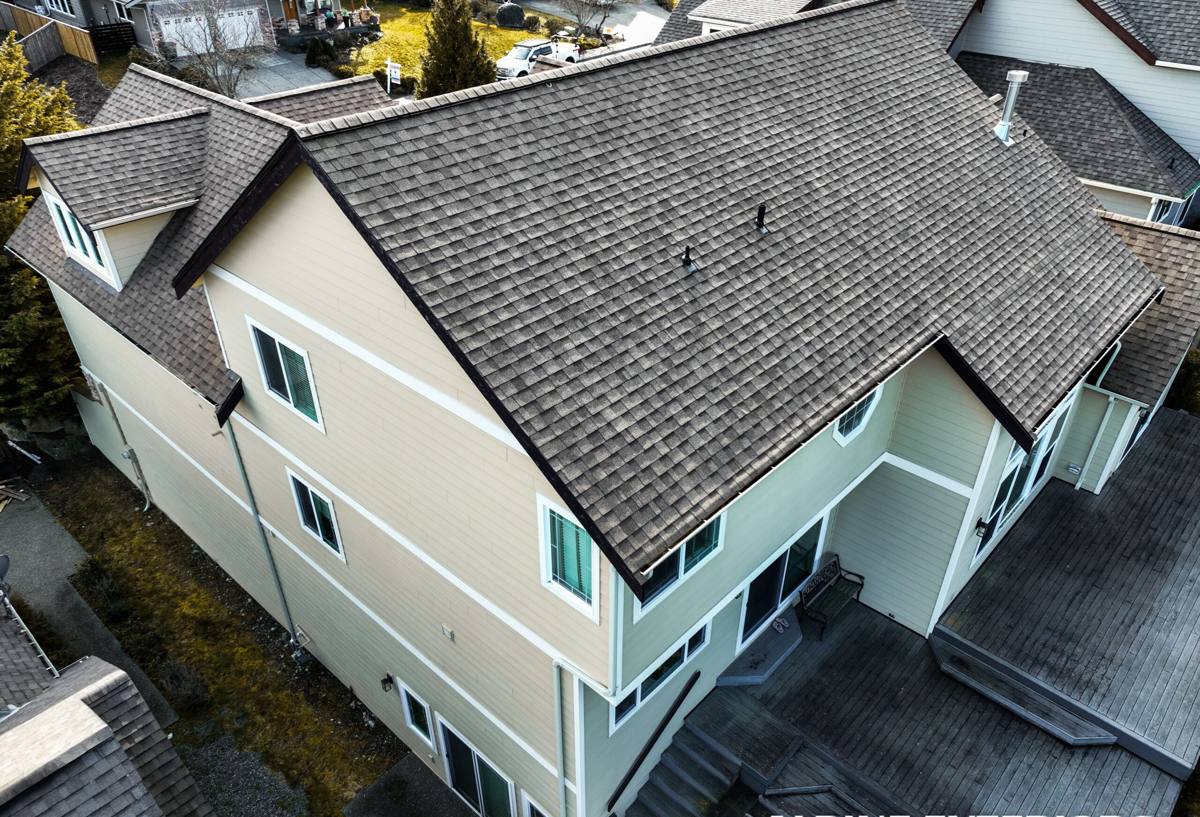
Cherry Point sits right up against the water in Whatcom County, and that changes what a deck has to survive year after year. Salt-laden air off the Strait moves inland on the wind, driving rain comes in sideways during fall and winter storms, and the shaded, damp stretches of the season turn into a long run of moss and algae growth on anything that doesn't shed water well. A deck built to a generic spec, without those three factors in mind, will show its age fast out here — soft spots, corroded hardware, and a slick green film that never fully dries out.
Composite decking, installed correctly, handles this environment better than most alternatives. But "composite decking" covers a wide range of products and installation approaches, and the difference between a deck that looks good for twenty years and one that starts failing in five usually comes down to details most homeowners never see until something goes wrong.
What Cherry Point's Climate Actually Does to a Deck
Salt Air and Metal Hardware
Salt air accelerates corrosion on anything metal — fasteners, joist hangers, ledger bolts, railing brackets. Standard galvanized hardware that's fine forty miles inland can start pitting and rusting within a few years this close to the water. That corrosion doesn't just look bad; it weakens the connections holding the deck to your house and to itself.
Driving Rain and Water Management
Wind-driven rain doesn't just fall straight down — it gets pushed under boards, into end grain, and behind ledger connections. A deck that isn't flashed and sloped correctly will trap water where it can't evaporate, which leads to rot in the framing underneath even if the decking surface on top looks fine.
Moss, Algae, and Shade
Whatcom County's long wet season, combined with shade from trees or the house itself, gives moss and algae plenty of time to establish on any surface that stays damp. On wood decking this means regular pressure washing, staining, and sealing just to keep the surface safe and presentable. On decking with poor drainage underneath, moisture can sit in the substructure long after the surface looks dry.
Why Composite Makes Sense Here
Composite decking is made from a blend of wood fiber and plastic, usually with a protective outer cap layer. It doesn't absorb water the way solid wood does, doesn't need annual staining or sealing, and resists the surface graying and splintering that untreated wood develops in a marine climate. For a property exposed to salt air and long wet stretches, that adds up to real maintenance savings over the life of the deck.
That doesn't mean composite is maintenance-free — nothing outdoors on this coastline is. It still needs regular cleaning to keep moss and algae from taking hold, and the substructure underneath still needs to be built to shed water properly. Composite reduces the maintenance burden on the surface; it doesn't remove the need for a correctly built frame.
Comparing Your Decking Options
| Material | Moisture Behavior | Maintenance | Typical Lifespan Considerations |
|---|---|---|---|
| Pressure-treated wood | Absorbs water; prone to splintering and checking as it dries and wets repeatedly | Annual cleaning, staining or sealing | Shortest realistic service life in this climate without diligent upkeep |
| Cedar or other natural wood | Better natural resistance than treated pine, but still absorbs moisture | Regular staining/sealing to maintain appearance and protection | Moderate; appearance fades faster near salt air |
| Uncapped composite | Resists rot but the exposed surface can absorb some moisture and is more prone to staining and mold | Periodic cleaning; more susceptible to surface mildew in shaded, damp areas | Solid, but the older composite formulations show their age faster |
| Capped composite | Protective outer layer sheds water and resists staining, fading, and moisture intrusion into the board itself | Routine cleaning only — no staining or sealing | Best-suited option for a marine climate with heavy moss exposure |
We generally steer homeowners toward capped composite boards for Cherry Point properties specifically because of the moisture and moss exposure. It's a professional standard we hold to, not a knock on other products — uncapped composite and quality wood both have their place, they just ask more of the homeowner in an environment like this one.
Framing and Fastener Materials
The decking boards are only part of the equation. Underneath, we use hardware rated for coastal or high-moisture exposure — stainless steel or heavy-duty coated fasteners at the ledger and structural connections, not standard galvanized hardware that will corrode faster in salt air. It costs more up front and it's the difference between hardware that lasts the life of the deck and hardware you're replacing in a decade.
What a Correctly Built Deck Involves
A composite deck is only as good as what's underneath it. The parts homeowners rarely see are the parts that determine whether the deck holds up:
- Ledger board flashing — where the deck attaches to the house, proper flashing keeps water from working its way behind the siding and into the wall structure. This is one of the most common failure points on older decks we're asked to repair.
- Joist spacing and blocking — composite decking often requires tighter joist spacing than traditional lumber decking, and manufacturer specs vary by product. Installing at the wrong spacing can void the warranty and lead to bounce or sag over time.
- Proper slope and drainage — the deck surface should shed water away from the house, and the substructure should allow air to move underneath rather than trapping moisture against the ground.
- Hidden fastening systems — most capped composite boards use a hidden clip system rather than face screws, which keeps water from pooling in screw holes on the surface.
- Corrosion-resistant hardware throughout, not just at visible connections.
- Proper board expansion gaps — composite expands and contracts with temperature more than wood, and gaps that are too tight can cause buckling.
Our Installation Process
1. On-Site Assessment
We look at the site conditions specific to your property — sun and shade exposure, wind direction, existing structure if this is a replacement or addition, and how close you are to the water. Cherry Point properties vary in exposure depending on elevation and tree cover, and that affects material and hardware recommendations.
2. Structural Planning
We size the substructure and fastening plan to the manufacturer's specifications for the board you choose, account for local wind exposure, and plan ledger flashing and drainage before any framing goes in.
3. Framing and Flashing
This is where most of the long-term performance of the deck gets decided. Correct flashing at the house connection and a properly sloped, ventilated frame underneath the decking surface.
4. Decking Installation
Boards go down with the hidden fastening system and expansion gaps specified by the manufacturer, with attention to consistent spacing and clean transitions at stairs, railings, and the house line.
5. Final Walkthrough
We walk the finished deck with you, cover basic care going forward, and note anything specific to your site — shaded corners that may need more frequent cleaning, for example.
Maintaining a Composite Deck in a Marine, Moss-Prone Climate
Composite decking cuts down on maintenance, but "low-maintenance" isn't "no-maintenance" — especially this close to the water. A simple seasonal routine keeps a composite deck performing the way it should:
- Sweep debris and fallen leaves off the surface regularly, especially in shaded areas where moisture lingers longest.
- Rinse the deck periodically to clear salt residue carried in on the air.
- Clean with a soft-bristle brush and a cleaner appropriate for composite decking a couple times a year, more often in shaded or north-facing sections prone to moss.
- Check that gaps between boards stay clear so water can drain through rather than pooling.
- Inspect railing posts and stair connections annually for any looseness at the hardware.
- Keep gutters and downspouts near the deck clear so roof runoff isn't dumping extra water onto or under the deck.
Why Local Experience on Cherry Point Matters
A crew that's worked this stretch of Whatcom County shoreline before knows what to plan for without guessing. That means knowing which fastener grades actually hold up to the salt air here, how to flash a ledger connection against driving rain coming off the water, and which parts of a property tend to hold moisture and moss longest based on sun exposure and tree cover. It also means understanding Whatcom County's permitting requirements for deck construction, which apply based on size, height, and attachment to the home.
A contractor without that local exposure can still build a technically sound deck on paper, but they're more likely to under-spec the hardware or skip climate-specific details that only show up as a problem years later — after the warranty conversation has already happened.
What Affects the Cost of a Composite Deck
| Factor | Why It Matters |
|---|---|
| Deck size and shape | More square footage and complex angles or multiple levels increase material and labor |
| Board tier (uncapped vs. capped) | Capped boards cost more up front but need less long-term upkeep in this climate |
| Substructure condition | New builds vs. replacing or reinforcing an existing frame changes the scope significantly |
| Height and railing requirements | Elevated decks need code-compliant railings and stair construction, adding cost |
| Site access | Slope, existing landscaping, and how close the work area is to the house affect labor time |
| Hardware grade | Corrosion-resistant fasteners and connectors cost more than standard hardware but matter more here |
Because of these variables, an honest quote for composite decking always follows an actual site visit rather than a phone estimate. We'll walk your property, talk through what your specific site needs, and give you a clear, itemized picture before any work starts.
Get a Free Estimate for Your Cherry Point Deck
If you're planning a new composite deck or replacing one that hasn't held up to the salt air and rain, we're glad to come take a look. There's no pressure and no obligation — just a straightforward assessment of what your property needs and an honest estimate to go with it. Use the form below to get started.