 Birch Bay Siding
 Decks in Birch Bay Village Face a Different Set of Problems
A deck built the same way in Spokane or Yakima will age very differently than one built in Birch Bay Village. Here, you've got salt-laden air coming off the water, long stretches of driving rain through fall and winter, and a moss and algae season that can run eight months or more on north-facing and shaded sections. Add in the wind exposure common to homes near the bay, and even a well-built deck starts showing wear faster than most homeowners expect.
We work on decks throughout Whatcom County, and Birch Bay Village decks tend to show a specific pattern of damage: fastener corrosion before the wood itself fails, moisture trapped under boards and around ledger connections, and slick, moss-covered surfaces that are as much a safety issue as a cosmetic one. Repairing these decks correctly means understanding that pattern, not just replacing whatever board looks bad.
Common Deck Problems We See in This Area
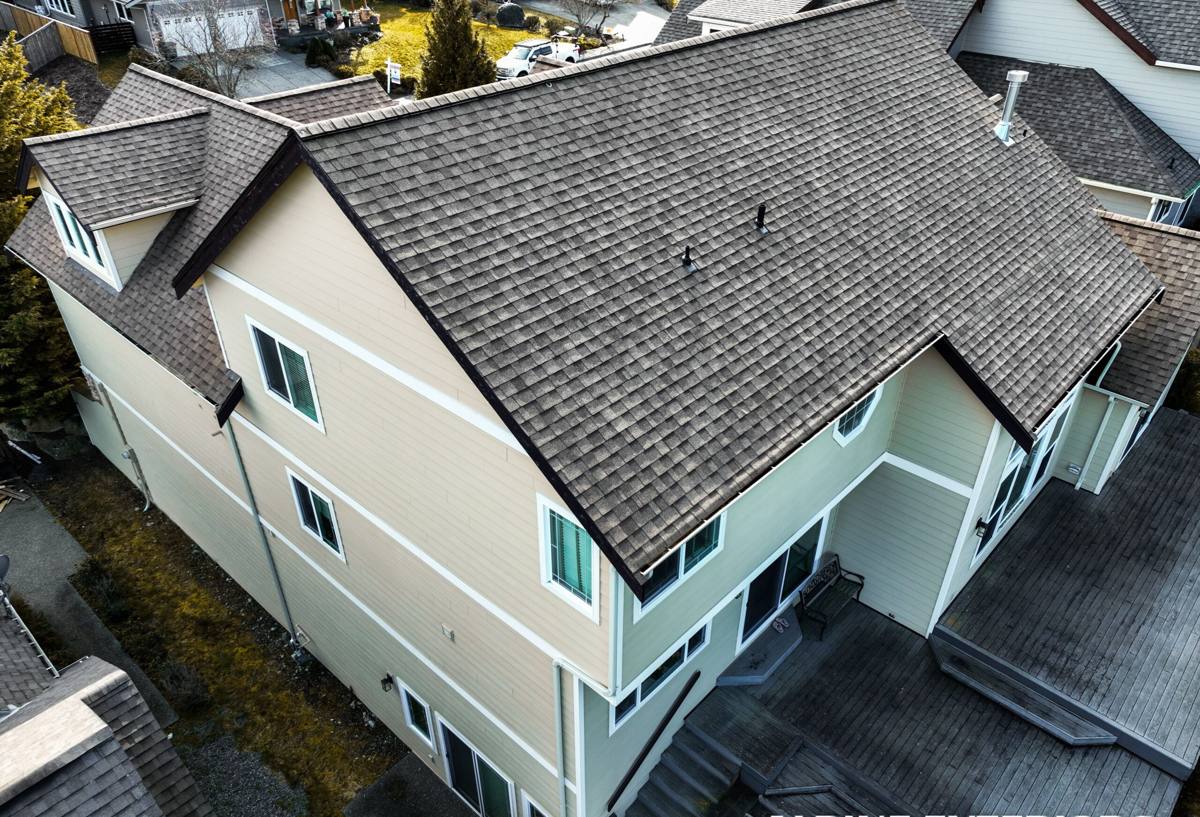
Every deck repair call is a little different, but in Birch Bay Village a handful of issues come up again and again. Salt air accelerates corrosion on metal fasteners and connectors long before the surrounding lumber shows obvious rot, which means a deck can look fine from a few feet away while its structural hardware is already failing underneath.
| Problem | Likely Cause | What We Check |
|---|---|---|
| Rusted or loosening fasteners | Salt air corrosion on standard or under-rated hardware | Nail/screw condition, joist hangers, structural connectors |
| Soft or spongy decking boards | Trapped moisture from poor drainage or standing water | Board thickness, subsurface rot, gap spacing |
| Black or green film on the surface | Moss and algae growth during our long wet season | Surface texture, slip risk, cleaning vs. replacement need |
| Water staining near the house wall | Failed or missing ledger board flashing | Ledger attachment, flashing integrity, sheathing behind it |
| Wobbly railings or stairs | Loosened connections from repeated wet/dry cycling | Post attachment, guard height, stair stringer condition |
What a Correct Deck Repair Actually Involves
It Starts Below the Surface
A lot of deck "repairs" amount to swapping out a few bad-looking boards and calling it done. That approach leaves the actual cause of the damage in place, which usually means the same problem shows up again in a year or two, often worse. A correct repair starts by figuring out why that section failed — inadequate drainage, a fastener that shouldn't have been used this close to the water, or a ledger connection that was never properly flashed.
Structure Before Cosmetics
Before we touch the visible decking, we check the framing underneath: joists, beams, posts, and the ledger board connection to the house. This is the part homeowners can't see and the part that actually holds the deck up. If joists or hardware are compromised, replacing the decking on top of them just hides the problem under a new surface.
Matching the Repair to the Whole Deck
We also look at how a repair will interact with the rest of the structure. Mixing incompatible fasteners, patching in a different wood species, or leaving old, corroded hardware next to new material can create uneven aging and galvanic reactions between metals — a real issue in a salt-air environment where dissimilar metals corrode faster in contact with each other.
Our Deck Repair Process
- On-site assessment. We walk the full deck, not just the area you called about — hidden damage nearby is common.
- Structural check first. Joists, beams, posts, footings, and the ledger board connection are inspected before any cosmetic decisions are made.
- Moisture and drainage review. We look at how water moves across, through, and under the deck, since poor drainage is behind most of the repeat problems we see.
- Written scope and estimate. You get a clear explanation of what's failing, why, and what it will take to fix it correctly — no pressure, no upsell.
- Repair or targeted rebuild. We replace only what needs replacing, using fasteners and materials suited to a coastal Whatcom County climate.
- Final safety check. Railings, stair connections, and board fastening are all tested before we call the job done.
Repair or Replace? How We Help You Decide
Not every deck problem calls for a full rebuild, and not every deck is worth patching indefinitely. The honest answer usually comes down to how much of the structural framing is still sound.
| Factor | Repair Often Makes Sense | Replacement Often Makes Sense |
|---|---|---|
| Framing condition | Joists and posts are solid, damage is localized | Rot or corrosion has spread through multiple structural members |
| Age of the deck | Deck is under 15-20 years old and was well-built | Deck is aging out and built with outdated materials or hardware |
| Extent of moisture damage | Isolated to a few boards or one area | Widespread soft spots, especially near the ledger |
| Your plans for the home | You want to extend the deck's life a few more years | You want a longer-term investment or plan to sell |
Materials and Fasteners That Hold Up Near the Water
What goes into a Birch Bay Village deck repair matters more than it would inland. We favor stainless steel or high-quality hot-dip galvanized fasteners over standard coated screws, since standard hardware corrodes noticeably faster this close to salt air. For structural connectors, we use hardware rated for the treated lumber and moisture exposure involved — mismatched hardware and lumber chemistry is a common source of premature corrosion.
For decking material itself, both quality pressure-treated wood and composite decking can perform well here, but they come with different maintenance realities. Wood needs regular sealing and cleaning to resist the moss and moisture this climate produces. Composite resists rot and doesn't need staining, but it still needs proper ventilation underneath and can develop surface algae in shaded, damp areas if it's not cleaned periodically. We'll walk you through the honest trade-offs for your specific deck rather than pushing one option.
Signs Your Deck Needs Repair Now, Not Later
Deck damage in this climate rarely stays small. A soft board or a slightly loose railing tends to get worse through each wet season, not better. Watch for:
- Boards that feel spongy, springy, or soft underfoot
- Rust streaks running down from fasteners or hardware
- Persistent green or black film that returns quickly after cleaning
- Gaps, cracks, or splitting where boards meet the ledger board
- Railings or posts that shift or wobble when you lean on them
- Water pooling on the surface instead of draining off
- Visible daylight or gaps where the deck meets the house wall
If you're seeing any of these, it's worth having it looked at before the next stretch of rain gets underneath the surface.
Why a Crew That Already Works in Birch Bay Village Matters
Deck repair here isn't the same job as deck repair in a drier part of the state, and it's not identical to repair work in every coastal town, either. Wind exposure, prevailing rain direction, and how much salt air a given lot actually gets can vary block by block along the Whatcom County coastline. A crew that regularly works in Birch Bay Village has already seen how local decks age — which fastener types hold up, which framing details tend to trap moisture, and which repairs actually last through a full winter here versus ones that need to be redone in two years.
That local pattern recognition is the difference between a repair that solves the problem and one that just delays it. We'd rather tell you honestly that a section needs more work than it looks like than patch over something that's going to fail again in the next rainy season.
Keeping Your Deck in Shape After the Repair
A good repair job is only half the equation — a little regular upkeep goes a long way in this climate. Clean moss and algae off the surface at least once or twice a year, especially on shaded or north-facing sections. Keep gutters and downspouts clear so runoff isn't dumping extra water onto or under the deck. Check railings and stair connections for movement each spring, and reseal wood decking on the manufacturer's recommended schedule rather than waiting until it looks weathered. These small habits are what separate a deck that lasts another decade from one that's back on our repair list in a couple of years.
If you're noticing soft spots, rust, persistent moss, or a railing that doesn't feel as solid as it used to, we're glad to take a look. Reach out using the form below for a free, no-pressure estimate on your Birch Bay Village deck.