 Birch Bay Siding
 Asphalt Shingle Roofing Built for Birch Bay Village Conditions
Birch Bay Village sits close enough to the water that its roofs deal with a combination most inland Whatcom County homes never see: salt-laden air, wind-driven rain coming off the strait, and long stretches of shaded, damp weather that keep moss and algae active for most of the year. Asphalt shingles can handle all of that well when the underlying system is built for it. The problem is that a lot of shingle failures we get called out for aren't shingle failures at all — they're underlayment, flashing, or ventilation shortcuts that let the coastal climate in through the back door.
This page covers what a correctly built asphalt shingle roof looks like for a home in Birch Bay Village specifically, what our install process involves, and why local experience with this particular stretch of coastline changes how the job should be done.
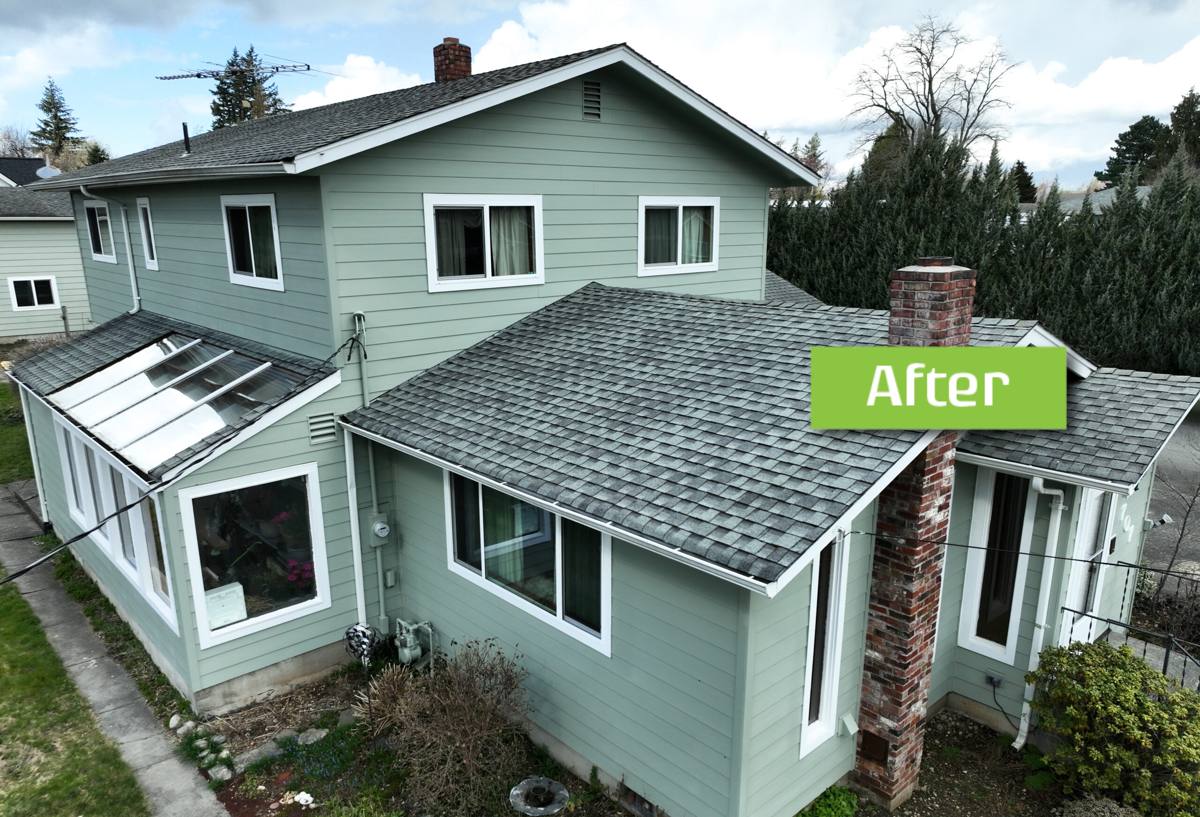
Why This Climate Is Harder on Shingle Roofs Than It Looks
Salt Air and Metal Components
Salt air doesn't damage the shingles themselves much — it damages the metal around them. Flashing, drip edge, nail heads, and vent stacks all corrode faster this close to Birch Bay than they would ten or fifteen miles inland. When flashing corrodes and starts to fail, water finds its way under the shingle field at exactly the points — valleys, chimneys, wall intersections — where a roof is already most vulnerable. We spec corrosion-resistant metals and fasteners on every coastal Birch Bay job specifically because standard-grade flashing has a shorter service life out here.
Driving Rain and Wind Exposure
Birch Bay Village catches wind and rain coming off the water at angles that push moisture sideways, not just down. That matters for a roofing system because standard nailing patterns and standard underlayment coverage are engineered for rain falling mostly straight down. Homes here need tighter fastening patterns, wider underlayment laps, and extra attention at eaves and rakes where wind-driven rain gets pushed up and under the shingle edge.
Moss, Algae, and a Long Shaded Season
Whatcom County's wet season runs long, and many Birch Bay Village lots have mature trees that keep parts of the roof shaded and damp well after the rest of the neighborhood has dried out. That's ideal growing conditions for moss and algae, both of which hold moisture against the shingle surface and, over years, work their way under tabs and granules. A roof that isn't detailed to shed water fast and dry out quickly will grow moss here no matter how good the shingle brand is.
What a Correctly Installed Roof Needs in Birch Bay Village
A shingle roof is a system, not a single product. Every layer has a job, and skipping or downgrading any one of them is where coastal roofs in this area actually fail.
- Ice-and-water shield at eaves, valleys, and around every penetration — not just the code minimum, but extended coverage given how much wind-driven rain this area sees.
- Synthetic underlayment across the full field, lapped and fastened to hold up under repeated wetting and drying cycles.
- Corrosion-resistant flashing and fasteners at all metal points, sized for salt-air exposure rather than standard inland spec.
- Balanced ventilation — intake at the eaves, exhaust at the ridge — so moisture-laden air actually leaves the attic instead of condensing under the decking.
- Algae-resistant shingles with copper- or zinc-infused granules on any section of roof that stays shaded or damp longer than the rest.
- Tight, manufacturer-spec nailing — six nails per shingle in high-wind zones like this one, not the four-nail minimum some crews still use.
Choosing the Right Shingle for This Location
Not every asphalt shingle is built the same way, and the differences matter more here than they would on a sheltered inland roof. The table below is a general comparison of shingle classes we install, not a specific product recommendation — the right choice depends on your roof's pitch, exposure, and how long you plan to stay in the home.
| Shingle Type | Wind Rating | Algae Resistance | Typical Lifespan | Best Fit |
|---|---|---|---|---|
| 3-Tab | Lower (60-70 mph typical) | Varies by brand | 15-20 years | Budget-conscious, sheltered lots |
| Architectural / Dimensional | Higher (110-130 mph typical) | Available with algae-resistant granules | 25-30 years | Most Birch Bay Village homes, especially open or water-facing lots |
| Impact-Resistant Architectural | Higher, plus Class 4 impact rating | Available with algae-resistant granules | 30+ years | Homes seeking longer service life and storm resilience |
For most Birch Bay Village properties, we lean toward architectural shingles with algae-resistant granules as the practical baseline — the wind rating and moisture performance are worth the modest upgrade in cost over 3-tab, especially on lots with direct water exposure.
Our Asphalt Shingle Roofing Process
The process is straightforward, but the sequence and the details inside each step are where quality actually gets decided.
- On-site inspection. We look at the current roof, the decking condition where accessible, ventilation setup, and any trouble spots — valleys, chimneys, skylights, wall intersections — before quoting anything.
- Tear-off and deck check. Old roofing comes off down to the deck so we can actually see what we're building on. Any soft, rotted, or delaminated decking gets identified and replaced — this is not optional in a climate that's been feeding moisture into this roof for years.
- Ice-and-water shield and underlayment. Extended coverage at eaves and valleys, full synthetic underlayment across the field, properly lapped.
- Flashing. New, corrosion-resistant flashing at every penetration, valley, and wall intersection — reused old flashing is one of the most common causes of "mystery leaks" on older Birch Bay Village roofs.
- Ventilation. Intake and exhaust balanced to the attic's actual volume, not just whatever vents happened to be there before.
- Shingle installation. Manufacturer-spec nailing pattern, correct exposure, and attention to how each course ties into valleys, rakes, and ridge.
- Final walkthrough and cleanup. Magnetic sweep for stray fasteners, debris haul-off, and a walk through the finished roof with you before we call it done.
Ventilation and Moisture Control — Why It Isn't Optional Here
Poor ventilation is one of the most common reasons a shingle roof underperforms its warranty in this part of Whatcom County. Without balanced intake and exhaust, warm moist air from the living space gets trapped in the attic, condenses against the underside of the decking, and slowly rots it from the inside — all while the shingles on top look fine. Combined with the area's damp, shaded conditions, an under-ventilated attic can undercut even a well-installed shingle roof. We size ventilation to the attic, not to a generic rule of thumb, and we check existing ventilation on every re-roof rather than assuming what's there is adequate.
Signs Your Roof Needs Attention
Most shingle roof problems give warning signs well before they become active leaks. Worth checking for, especially heading into the wetter months:
- Granules collecting in gutters or at the base of downspouts
- Shingles that look cupped, curled, or are missing tabs
- Dark streaking or moss growth concentrated on shaded slopes
- Soft spots underfoot near valleys or roof-wall intersections
- Daylight visible through the attic decking
- Water stains on interior ceilings, especially after wind-driven storms
- Rusted or lifting flashing around chimneys, vents, or skylights
Cost Factors on a Birch Bay Village Re-Roof
Every roof is priced individually after inspection, but the factors below are what actually move the number up or down on jobs in this area.
| Factor | Why It Matters Locally |
|---|---|
| Roof pitch and complexity | Steeper pitches and multiple valleys take more labor and material to detail correctly |
| Existing layers to remove | Full tear-off costs more than a single-layer strip but is necessary to check the deck |
| Decking repairs | Coastal moisture exposure means some decking replacement is common on older roofs |
| Shingle class selected | Architectural and impact-rated shingles cost more up front but hold up better to wind and salt exposure |
| Access and site conditions | Tree cover, tight lot access, and staging near the water can affect labor time |
| Timing | Scheduling outside the peak wet-season rush can affect both price and lead time |
Maintenance in a Salt-Air, Moss-Prone Environment
Even a well-built roof benefits from periodic attention out here. Keeping gutters and valleys clear of debris prevents standing water from sitting against shingle edges. Trimming back branches that overhang the roof reduces shade and speeds drying, which cuts down moss growth. A gentle, low-pressure moss treatment on affected slopes — rather than aggressive pressure washing, which strips granules — keeps growth in check without shortening the shingles' life. And a quick visual check after major wind events catches lifted shingles or displaced flashing before they turn into a leak.
Why Local Experience in Birch Bay Village Matters
A roofing crew that's worked this specific stretch of coastline knows which slopes on a Birch Bay Village home tend to hold moss, which flashing details fail first in salt air, and how far to extend ice-and-water coverage given the wind patterns off the water. That's not something a generic spec sheet captures — it's built from having done the work on homes with the same exposure yours has. It also means we're not guessing at permitting, disposal, or scheduling around this area's weather windows; we've already worked through that here.
If your roof is showing wear, due for replacement, or you just want an honest read on its condition, we're happy to take a look. Reach out for a free, no-pressure estimate through the form below.