 Birch Bay Siding
 Windows on the Cherry Point Shoreline Take a Different Kind of Beating
Cherry Point sits right on the water along Birch Bay in Whatcom County, and that location shapes what a window has to survive here. Salt-laden air drifts in off the Strait day and night, driving rain comes in sideways during winter storms, and a long, damp moss season keeps everything on the exterior of a house wet for months at a stretch. Vinyl, aluminum, and wood window components all react to that combination differently, and a window that would last twenty years in a dry inland town can fail in half that time here if it isn't specified and installed correctly.
This page is about one job in one place: replacing windows on homes in and around Cherry Point. Not a general overview of window replacement — the specific decisions that matter when a home sits this close to salt water and gets this much sustained moisture.
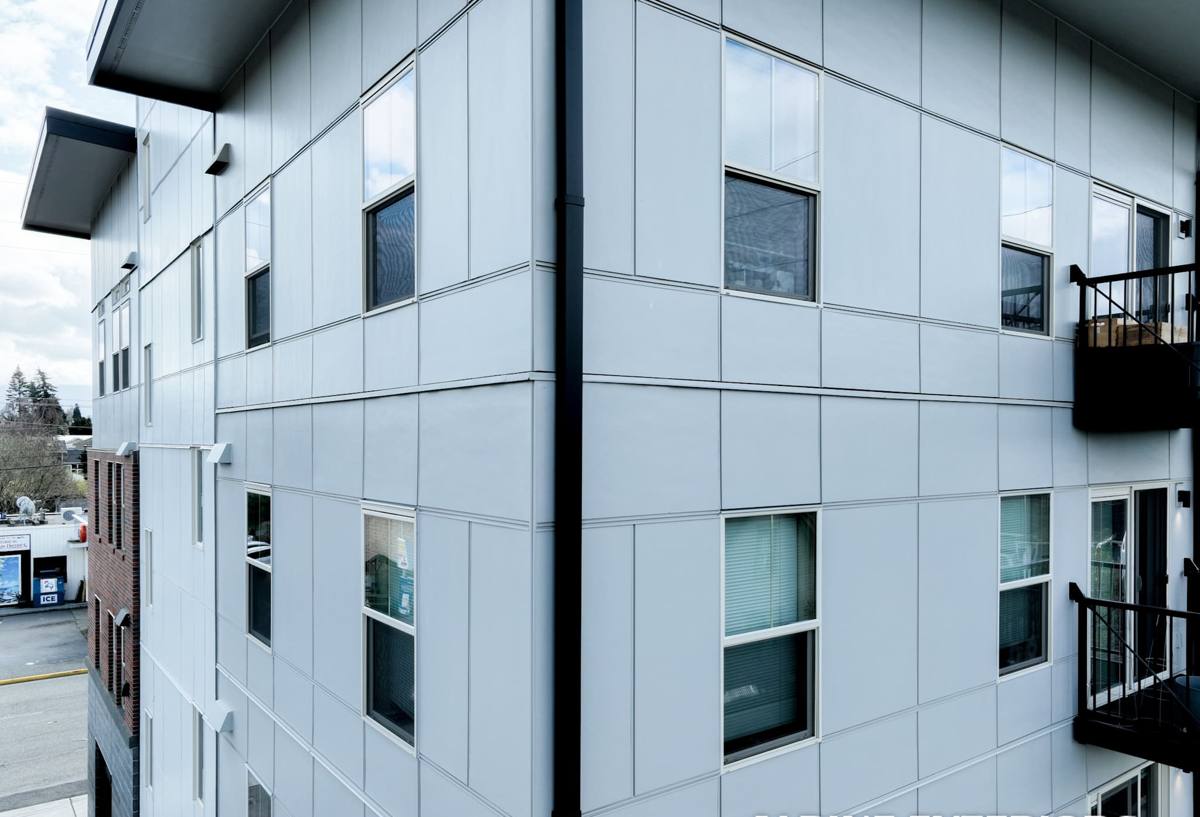
What Salt Air, Rain, and Moss Actually Do to a Window
Salt Air
Airborne salt settles on glass, frames, and especially on hardware — hinges, locks, and cranks. Over time it accelerates corrosion on lower-grade metal components and can dull or pit certain aluminum finishes. It also works its way into any gap in a seal, where it holds moisture against the frame material longer than plain rainwater would.
Driving Rain
Storms coming off the water don't just fall straight down — wind pushes rain sideways into the wall assembly, testing every seam around a window opening. A window that's watertight in a calm rain test can still leak in a Cherry Point winter storm if the flashing and sealant details weren't done with wind-driven water in mind.
Moss Season
Whatcom County's wet season stretches long, and moss and algae take hold on north-facing walls, sills, and anywhere water sits instead of draining. Moss holds moisture against wood trim and can work into hairline gaps in caulking, slowly widening them. It's rarely dramatic — it's a slow, cumulative problem that shows up years later as rot or a soft sill.
Signs a Cherry Point Home's Windows Need Attention
Because the damage here tends to be gradual, homeowners often notice a problem well after it started. Look for:
- Fogging or a permanent haze between panes — a sign the seal has failed and the insulating gas has escaped
- Soft or spongy wood at the sill or lower frame corners, especially on walls facing the water or prevailing wind
- Visible corrosion or a chalky white residue on aluminum or metal hardware
- Moss or dark streaking building up on the sill or bottom of the frame that keeps returning after cleaning
- Drafts or a noticeable temperature difference near the window during winter storms
- Difficulty opening, closing, or locking a window that used to operate smoothly
- Visible daylight or a whistling sound around the frame during high wind
Any one of these on its own might just need a repair. Several at once, especially on an older window, usually means replacement is the more honest recommendation.
What a Correct Installation Actually Involves Here
Window replacement done right is mostly about what happens before the new window ever goes in the opening, and what happens around its edges after. For a coastal, high-rain location like Cherry Point, three details matter more than they would inland.
Flashing and Water Management
The flashing around a window — the material that directs water away from the framing and down the wall rather than into it — has to be layered correctly (bottom to top, like shingles) so wind-driven rain can't work its way behind it. This is the single most common place a coastal installation goes wrong, and it's invisible once the trim is back on, which is exactly why it has to be done right the first time.
Sealant Selection and Placement
Not every exterior sealant holds up the same way against constant salt-air exposure and UV. We use sealants rated for the exposure the window will actually face, and we leave the designed weep points and drainage paths open — sealing a window completely shut with caulk feels thorough but actually traps water inside the frame.
Fastening and Shimming
A window that's out of square or under-shimmed will stress its seals over time, and that stress shows up faster in a location with constant temperature and moisture swings. Proper shimming keeps the frame square so weatherstripping and locks continue to seal evenly for the life of the window.
Choosing a Frame and Glass Package for This Exposure
There's no single "best" window for every home, but some materials and glass packages are a better fit for salt air and sustained rain than others. Here's how the common options compare for a Cherry Point install:
| Frame Material | Salt Air / Corrosion Behavior | Maintenance | Typical Trade-off |
|---|---|---|---|
| Vinyl | Doesn't corrode; UV-stable finishes hold up well near the water | Low — occasional cleaning | Fewer color/paint options long-term |
| Fiberglass | Excellent — dimensionally stable, resists salt and moisture well | Low | Higher upfront cost than vinyl |
| Aluminum | Can pit or corrode over time unless marine-grade and well-finished | Moderate | Slim sightlines, but not our first pick this close to salt water |
| Wood / Wood-clad | Vulnerable if cladding or finish is breached; needs a sound moisture barrier | Higher — periodic refinishing | Traditional look, more upkeep in this climate |
We don't push one material on every homeowner — budget, look, and how much upkeep someone wants to take on all matter. But we'll always tell you honestly which options carry more long-term maintenance burden in a salt-air environment, rather than let you find out the hard way in year six.
Glass Packages
Dual-pane windows with a low-E coating and argon gas fill are the standard starting point for this climate — they cut down on heat loss during cold snaps and reduce condensation on the interior glass, which matters when humidity stays high for months at a time. Triple-pane is available where a home faces particularly harsh wind exposure or where the owner wants the added sound dampening from wave and wind noise near the water.
Our Process, Start to Finish
1. On-Site Assessment
We look at each window opening individually — sun exposure, wind exposure, current condition of the trim and sheathing behind it — rather than quoting a generic per-window price before we've seen the house.
2. Honest Scope and Estimate
You get a written estimate that spells out frame material, glass package, and whether any rot repair or extra flashing work is needed. No surprise change orders for problems we should have caught up front.
3. Install Day
Old windows come out carefully so we can inspect the framing underneath before anything new goes in — this is often the first real look at whether water has been getting in unnoticed. Any soft wood or compromised sheathing gets addressed before the new window is set.
4. Flashing, Sealing, and Finish
New flashing, correctly lapped and sealed, then the window is set, shimmed square, and finished with trim that matches the home. We test operation and seal quality before we call it done.
5. Cleanup and Walkthrough
We haul away the old windows and debris and walk the job with you before we leave, so you know how the new hardware operates and what routine care, if any, it needs.
Why Local Experience in Cherry Point Specifically Matters
A crew that already works this stretch of Whatcom County shoreline has seen how the salt air and wind actually behave on specific wall exposures here, not just in a manufacturer's general climate rating. That matters when deciding where to spend extra care on flashing, which exposures need a more corrosion-resistant hardware finish, and how much drainage capacity a sill detail really needs during a wind-driven winter storm. It also means fewer surprises on scheduling — we understand the wet season here and plan install timing around it rather than around a generic calendar.
What Drives the Cost of a Window Replacement Project
Every home is different, so we won't quote a number without seeing the job, but these are the main factors that move the price up or down:
| Factor | Why It Matters |
|---|---|
| Frame material | Vinyl is typically the most budget-friendly; fiberglass and wood-clad cost more upfront |
| Glass package | Triple-pane and specialty coatings add cost but improve comfort and durability near the water |
| Number and size of openings | Larger and custom-shaped windows cost more than standard sizes |
| Condition behind the old window | Rot or moisture damage found during removal adds repair scope |
| Full-frame vs. insert replacement | Full-frame costs more but is often the right call when the existing frame or flashing is compromised |
| Trim and finish work | Matching existing exterior trim or siding profiles can add labor |
Keeping New Windows Performing Through Moss Season
A correctly installed window needs very little upkeep, but a little seasonal attention goes a long way here:
- Rinse sills and lower frames periodically to keep salt residue and organic buildup from accumulating
- Clear debris and moss from nearby gutters and sills so water drains away rather than pooling against the frame
- Check that weep holes along the bottom of the frame stay clear and open
- Operate locks and cranks a few times a season so hardware doesn't seize from disuse
- Have caulking and sealant inspected every few years, since UV and salt exposure break it down faster here than inland
If you're noticing drafts, fogged glass, or sticking windows on a Cherry Point home, we're happy to take a look and give you a straightforward, no-pressure estimate — no obligation, just an honest read on what your windows actually need. Use the form below to get started.