 Birch Bay Siding
 Fiber Cement Siding Services for Ferndale Homes
Ferndale homeowners calling about siding are usually calling about one material whether they know it yet or not: fiber cement. It's what holds up against the specific combination of conditions this part of Whatcom County deals with year-round — salt-tinged air moving in off the water, rain that comes in sideways more often than it falls straight down, and a moss season that can run most months of the year on shaded walls. We install James Hardie fiber cement siding exclusively in Ferndale, and this page is about that service specifically: what a fiber cement job in this town actually involves, from the first walkthrough to the finished wall.
This isn't a general overview of siding options or a rundown of why we picked one brand over another. It's a look at what correct fiber cement installation and service looks like for a Ferndale property, and why a crew that already works this area day to day handles it differently than one seeing the town for the first time.
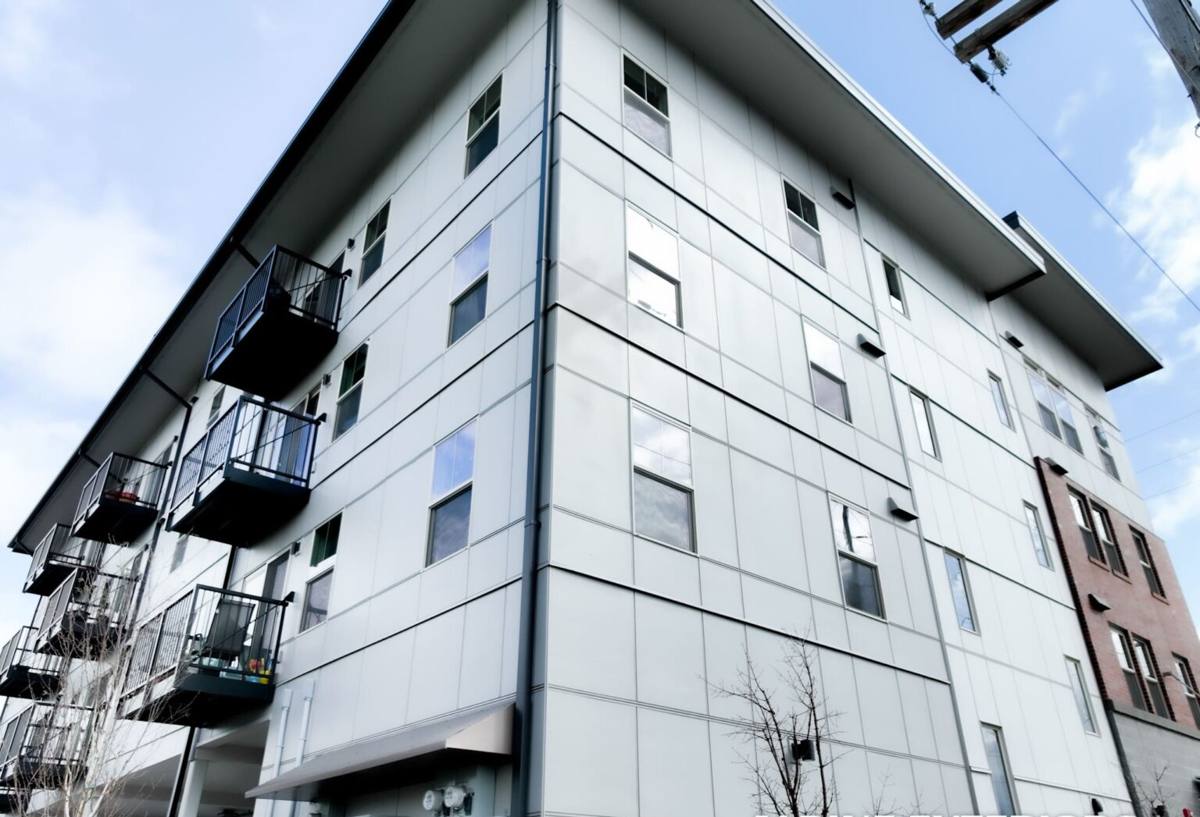
What Ferndale's Climate Asks of a Fiber Cement Wall
Salt-Tinged Marine Air
Ferndale sits close enough to Bellingham Bay and the open water beyond it that salt-laden air is a constant, not an occasional weather event. That air is hard on exposed fasteners, flashing, and lower-grade finishes, and it doesn't take a direct waterfront lot to feel it — homes set back several blocks still get a steady dose. Fiber cement's inorganic core doesn't corrode the way metal does, but every fastener, trim piece, and flashing detail that goes along with it still needs to be spec'd for this kind of exposure.
Wind-Driven Rain
Storms in this part of the county rarely drop rain straight down. Wind pushes it sideways into lap joints, corner trim, and anywhere a wall assembly has a seam. That's a heavier load on a siding system's water management than a simple rainfall total suggests, and it's the reason lapping, caulking, and flashing details matter as much as the siding material itself.
A Moss Season That Runs Most of the Year
Mild temperatures, consistent moisture, and plenty of shaded wall area on most Ferndale properties add up to a moss and mildew season that stretches across much of the calendar. It shows up first on north-facing walls and anywhere tree cover keeps a surface from drying between rain events. Fiber cement's inorganic makeup doesn't feed that growth, but a wall that traps moisture behind the siding will still grow it — which is a job about the whole wall assembly, not just the boards on the outside.
Why Fiber Cement Is the Material We Stand Behind Here
James Hardie fiber cement is a mix of portland cement, sand, and cellulose fiber, cured into planks and panels rather than milled from wood or engineered from wood strands. Because the core is inorganic, it doesn't swell, cup, or absorb water the way wood-based siding can after repeated wet-season cycling. Most of what we install carries the factory-applied ColorPlus finish, baked on under controlled conditions rather than brushed on after the boards are already on the wall, and the HZ5 product line is engineered specifically for regions with heavy moisture exposure and freeze-thaw cycling — a fair description of coastal Whatcom County.
We don't install LP SmartSide, vinyl, Cemplank, Allura, primed spruce, or cedar. Those products have a legitimate place in the market and plenty of homeowners elsewhere are satisfied with them. Our decision was a professional one: after years of tear-offs and service calls in this exact climate, fiber cement gave us the widest margin for error and the longest realistic service life, so it's the only system we put our name behind here.
James Hardie Product Lines We Install in Ferndale
| Product Line | Best Use | Why It Fits This Area |
|---|---|---|
| HardiePlank lap siding | Most single-family homes, standard re-sides | Traditional overlapping profile sheds wind-driven rain well when lapped and fastened to spec |
| HardiePanel vertical siding | Gables, accent walls, modern and farmhouse-style builds | Fewer horizontal joints for wind-driven rain to work against on the right wall layout |
| HardieShingle siding | Craftsman-style homes, accent sections | Textured shingle look without the moisture uptake and upkeep real cedar shingle requires |
| HardieTrim boards | Corners, window and door casing, fascia | Factory-finished trim that ages at the same rate and resists moisture the same way as the field siding |
Which product fits a given house comes down to its style, wall layout, and how much shade and moisture exposure specific elevations get — not a one-size answer. We'll walk your home and talk through which line actually makes sense before we talk numbers.
What a Correct Fiber Cement Installation Involves
The material only performs the way it's designed to when the installation details around it are done correctly. On every Ferndale job, that means:
- A weather-resistive barrier installed and lapped correctly, top over bottom, before any siding goes up
- A drainage gap or rainscreen where the wall assembly calls for one, so any moisture that gets past the surface can actually dry out
- Fasteners sized, spaced, and driven per Hardie's published installation requirements — not just "enough to hold it up"
- Correct clearance from grade, roof lines, decks, and other hardscape so the bottom edge of the siding never sits in standing water or snow
- Joints lapped and sealed the way the manufacturer specifies, particularly at inside and outside corners
- Flashing integrated at every window, door, and penetration so water is directed out and away from the wall, not just covered over
- Field-cut edges primed before installation to protect the factory ColorPlus finish and keep the manufacturer's warranty intact
Skip any one of these and the wall can still look right on install day. The problems that come from skipping them — staining at seams, soft trim, paint failure at cut edges — usually take a couple of wet seasons to show up, which is exactly why they're easy for a rushed job to get away with until it's the homeowner dealing with the consequences.
Our Fiber Cement Siding Process in Ferndale
Walkthrough and Assessment
We start on site, looking at which walls take the most direct weather, which stay shaded and slow to dry, and whether there's evidence the existing wall assembly already has moisture problems that need addressing before new siding goes up. New fiber cement over a wall with hidden rot just buries the same issue under better-looking material.
Scope, Product, and Color Decisions
From there we work out tear-off versus overlay, which Hardie product lines fit the home, and color and profile choices, all before crews show up with material. Deciding this up front avoids field improvisation, which is where corners tend to get cut on a rushed job.
Installation to Manufacturer Spec
Every fastener, gap, and flashing detail follows James Hardie's published requirements for this climate zone rather than a generic national standard. That's what keeps the manufacturer's warranty valid and what actually gives the wall the multi-decade service life fiber cement is capable of.
Final Walkthrough
We walk the finished job with you, point out anything worth knowing about the specific install, and cover the little maintenance fiber cement actually needs — there isn't much, but it's worth knowing what to look for over the years.
Repair, Overlay, or Full Replacement
Not every siding call in Ferndale ends in a full tear-off. Storm damage to a section, cracked or failed trim around an opening, or a small area that took an impact can often be repaired and matched into existing Hardie siding without touching the rest of the wall. But when moisture has clearly been tracking behind the siding for a while, or the existing material is an older product nearing the end of its service life, patching it usually just postpones a bigger job at a worse time. We'll tell you honestly which situation you're in rather than defaulting to whichever option pays better.
Why Hire a Crew That Already Works Ferndale
Fiber cement rewards experience with the specific place it's going on. A crew that's installed it across Ferndale through more than one wet season has already seen which orientations need extra drainage attention because of shade and tree cover, how much clearance actually matters in a climate this damp versus what a generic install guide assumes, and where a rainscreen gap earns its keep versus where it's optional. That judgment doesn't show up on a spec sheet, and it's a real part of the difference between a wall that still looks and performs the same in twenty years and one that's showing seam staining in five.
Cost Factors for Fiber Cement Siding in Ferndale
| Factor | What It Affects | Why It Matters Here |
|---|---|---|
| Home size and wall complexity | Total material and labor | More corners, dormers, and trim mean more joints exposed to wind-driven rain |
| Tear-off vs. overlay | Labor scope and access to the substrate | Tear-off is the only way to catch hidden moisture damage common under older siding here |
| Substrate condition | Repair work needed before new siding goes on | Years of trapped moisture behind failing siding can rot sheathing and framing |
| Product line and profile | Material cost per square foot | Panel and shingle profiles generally cost more in material and labor than standard lap |
| Trim and color selection | Material cost and long-term finish life | Factory ColorPlus finishes hold up longer against salt air and UV than field-applied paint |
| Site access | Labor time and equipment needs | Tight lots or multi-story walls add setup and staging time |
Two houses with similar square footage can land at very different numbers once these factors are accounted for, which is why we give real, walked-the-property estimates rather than rough figures based on square footage alone.
If you're planning a fiber cement siding project in Ferndale, we're glad to walk the property, talk through what your specific walls need given their exposure and condition, and put together a straightforward, no-pressure estimate. There's a form below — reach out and we'll set up a time to take a look.