 Birch Bay Siding
 Storm Damage Roof Repair Built for Sandy Point
Sandy Point sits right on the water in northern Whatcom County, and that location cuts both ways. It's part of what makes the neighborhood worth living in, and it's also why roofs here take a beating that inland Whatcom County homes never see. Wind off the Strait of Georgia, salt-laden air, driving rain that comes in sideways instead of straight down, and a moss season that runs most of the year all work on a roof at the same time. When a storm rolls through and knocks something loose, the damage is rarely limited to what you can see from the driveway.
This page covers storm damage roof repair specifically for Sandy Point homes — what the local climate does to roofing over time, what a real repair should include, how our process works, and why it matters to hire a crew that already knows this stretch of shoreline instead of a general contractor working from out of the area.
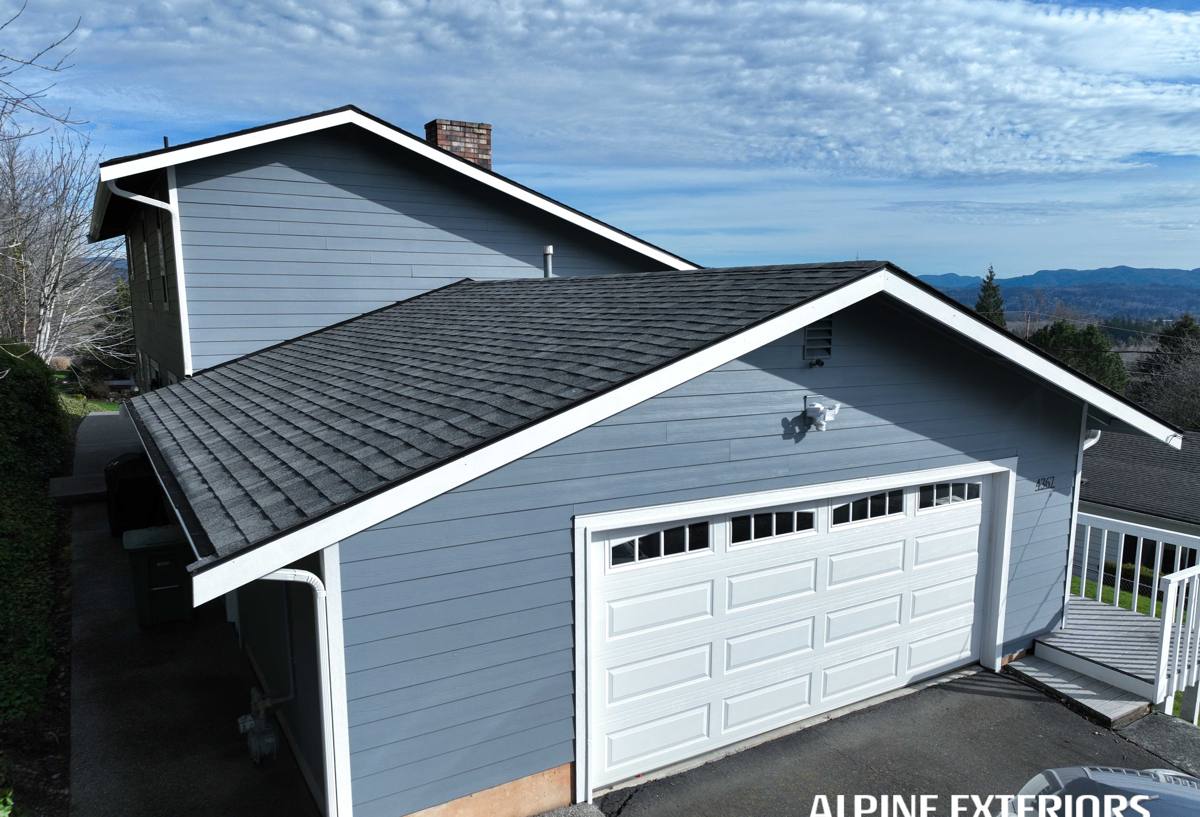
Why Sandy Point Roofs Take More Punishment
Salt Air and Metal Fasteners
Homes a few blocks from the water deal with salt-laden air almost constantly. Over time, that air accelerates corrosion on exposed metal — roofing nails, flashing, gutter hardware, and vent stacks. A fastener that would last decades inland can start to weaken years earlier this close to the shoreline. Once fasteners corrode, shingles and flashing lose their grip, and that's exactly the weak point a storm finds first.
Driving Rain and Wind-Driven Water
Sandy Point catches wind straight off the water with very little to break it up. During a storm, rain doesn't just fall on a roof — it gets pushed sideways and upward under shingle edges, flashing laps, and ridge caps. A roof that would shed a normal Pacific Northwest rain without issue can leak during a wind-driven storm simply because the water is arriving from an angle the roofing system wasn't detailed to handle.
A Long Moss Season
Whatcom County's damp, mild climate keeps roofs wet for long stretches of the year, and shaded or north-facing sections grow moss readily. Moss holds moisture against the roofing material, lifts shingle edges as it grows, and adds weight. It doesn't cause storm damage on its own, but it weakens a roof's defenses so that when wind and rain do arrive, the roof has less margin left to absorb the hit.
What Actually Counts as Storm Damage
Storm damage isn't always a hole in the roof or a tarp-worthy emergency. Some of the most common damage we find after wind and rain events in Sandy Point is easy to miss from the ground:
- Shingles lifted, creased, or torn loose at the tab, even if they're still technically in place
- Flashing pulled away from chimneys, skylights, or wall-to-roof transitions
- Nails backed out or sheared, leaving shingles loosely attached
- Gutter and downspout damage that redirects water into fascia or siding
- Granule loss on asphalt shingles from wind-driven debris or hail
- Soft or discolored decking felt through the attic after water has worked its way in over several storms rather than one
- Displaced ridge caps or vent covers that open a path for wind-driven rain
A lot of that list won't show up as an obvious leak the same week. Water tracks along rafters and sheathing before it ever shows up as a stain on a ceiling, so by the time you see interior damage, the roof issue is usually older than the storm that finally pushed it through.
What a Correct Repair Actually Involves
A storm damage repair done right isn't just swapping out the shingles that are visibly missing. We look at the repair as a system, because a roof only works when every layer — decking, underlayment, flashing, and shingles — is doing its job together.
Decking and Underlayment
If water has been getting under the roofing material, the plywood decking underneath can be soft, delaminated, or stained. Any section like that gets replaced, not covered over. Underlayment that's torn or saturated gets replaced along with it — it's the last line of defense if a shingle ever fails again, so it's not a place to cut corners.
Flashing
Flashing around chimneys, skylights, walls, and valleys is where the majority of storm leaks actually originate, not the open field of shingles. A proper repair re-seats or replaces damaged flashing and reseals every transition point, because reusing bent or corroded flashing just resets the clock until the next storm.
Shingles and Fasteners
Damaged shingles are replaced with matching material, hand-sealed where wind exposure calls for it, and fastened correctly — proper nail placement and count matter more in a high-wind location like Sandy Point than almost anywhere else in the county. We also check fasteners on the surrounding, undamaged shingles, since corrosion and wind stress rarely affect just one spot.
Ventilation Check
While we're up there, we check attic ventilation. A roof that traps moisture underneath is more prone to decking rot and premature aging, which compounds everything the salt air and rain are already doing.
Our Process for a Sandy Point Storm Repair
1. Inspection, Not Guesswork
We walk the roof and the attic, not just the ground-level sightlines. That's the only way to catch flashing separation, soft decking, or backed-out fasteners before they become a bigger repair. We'll tell you plainly what we find, including anything that isn't urgent yet but is worth keeping an eye on.
2. Clear, Honest Documentation
If the damage is storm-related, we document it with the kind of detail an insurance adjuster expects — photos, a written description of what happened and where, and a repair scope that matches the actual damage. We're not going to inflate a scope to pad a claim, and we're not going to leave out damage that's genuinely storm-caused. Both cost you in the long run.
3. The Repair Itself
We match materials as closely as possible, replace what's actually damaged rather than the minimum visible portion, and reseal every flashing point we touch. We also brief you on anything nearby that's aging and worth planning for, so there are no surprises at the next storm.
4. Cleanup and Follow-Up
Job sites get cleared of debris and old material, and we're reachable afterward if you have questions or notice something during the next round of weather.
Repair vs. Replacement: How We Think About It
Not every storm-damaged roof needs to be replaced, and not every roof can be reasonably patched. The right call depends on the roof's age, how widespread the damage is, and how much life was left in the roofing material before the storm hit.
| Factor | Leans Toward Repair | Leans Toward Replacement |
|---|---|---|
| Roof age | Under roughly 12-15 years, still within expected shingle life | Near or past the shingle's rated lifespan |
| Extent of damage | Isolated to one section, slope, or flashing point | Spread across multiple slopes or recurring in different spots |
| Decking condition | Solid, dry decking under the damaged area | Soft, delaminated, or stained decking in multiple areas |
| Granule loss / wear | Localized to the storm-affected section | General granule loss across the whole roof, storm aside |
| Prior repairs | First significant repair on this roof | Several patch repairs already on record |
We'll walk you through where your roof actually falls on that table rather than defaulting to the more expensive answer. A well-executed repair on a roof with plenty of life left is often the right, honest call — and we'll say so.
Insurance Claims: What Sandy Point Homeowners Should Know
Wind and storm damage is often covered under a standard homeowner's policy, but coverage details, deductibles, and what qualifies as "storm-caused" versus "wear and tear" vary by policy and by insurer. We're not your insurance company and won't promise a specific outcome, but we can give you a clear, honest inspection report and photo documentation that supports your claim if the damage is genuinely storm-related. If you're not sure whether recent wind or rain caused enough damage to be worth a claim, an inspection first — before you call your adjuster — usually gives you a better sense of what you're dealing with.
Signs It's Time to Have Your Roof Checked
After any significant windstorm in the Birch Bay area, it's worth a quick check — from the ground and, ideally, from someone who knows what to look for. Call for an inspection if you notice any of the following:
- Shingles or shingle pieces in the yard or gutters after a storm
- Visible gaps, lifted edges, or curling shingles from the ground
- A new water stain on a ceiling or ceiling corner
- Daylight visible through the roof deck from inside the attic
- Granules collecting in gutters or at downspout outlets
- Flashing that looks bent, pulled away, or missing around a chimney or vent
- A roof that's due for a routine check simply because it's been more than a year since the last one
Why a Crew That Already Works Sandy Point Matters
Storm damage repair isn't a one-size-fits-all trade. A roofer who mostly works drier, inland areas won't automatically think about wind-driven rain intrusion, salt-accelerated fastener corrosion, or how much moss buildup shortens a roof's storm resistance in this particular climate. Working this stretch of Whatcom County shoreline regularly means we're not guessing at what a Sandy Point roof is up against — we're already familiar with how these coastal conditions show up in real repairs, season after season.
It also means faster response. After a storm moves through Birch Bay, timing matters — a small area of exposed decking left uncovered for a week can turn into a much bigger repair. A crew that's local and already scheduling work in the area can typically get eyes on your roof sooner than a company driving in from farther away.
Get a Free, No-Pressure Estimate
If a recent storm has you wondering about your roof, or you just want a second opinion after noticing something from the ground, we're glad to take a look. Use the form below to request a free estimate — there's no pressure and no obligation, just a straightforward assessment of what your roof actually needs.