 Birch Bay Siding
 Windows Built for Nooksack's Weather, Not Just Its Curb Appeal
Nooksack sits inland from Birch Bay but still gets the full range of what Whatcom County weather throws at a house: long stretches of driving rain off the Pacific systems, damp shoulder seasons where moss and mildew get a foothold on anything shaded, and salt-tinged air that drifts in from the bay and works its way into hardware and seals over time. Windows are one of the first places that weather shows up as a comfort problem inside the house — cold drafts near the frame, condensation fogging the glass, a sill that stays damp longer than it should after a storm.
Energy-efficient windows done right aren't just about a lower heating bill, though that's real. They're about keeping bulk water and moist air out of your wall cavities in a climate that rarely gives wood framing a chance to fully dry out between rain events. A window that looks fine but was installed with a shortcut flashing detail can quietly feed moisture into the wall for years before anyone notices the damage.
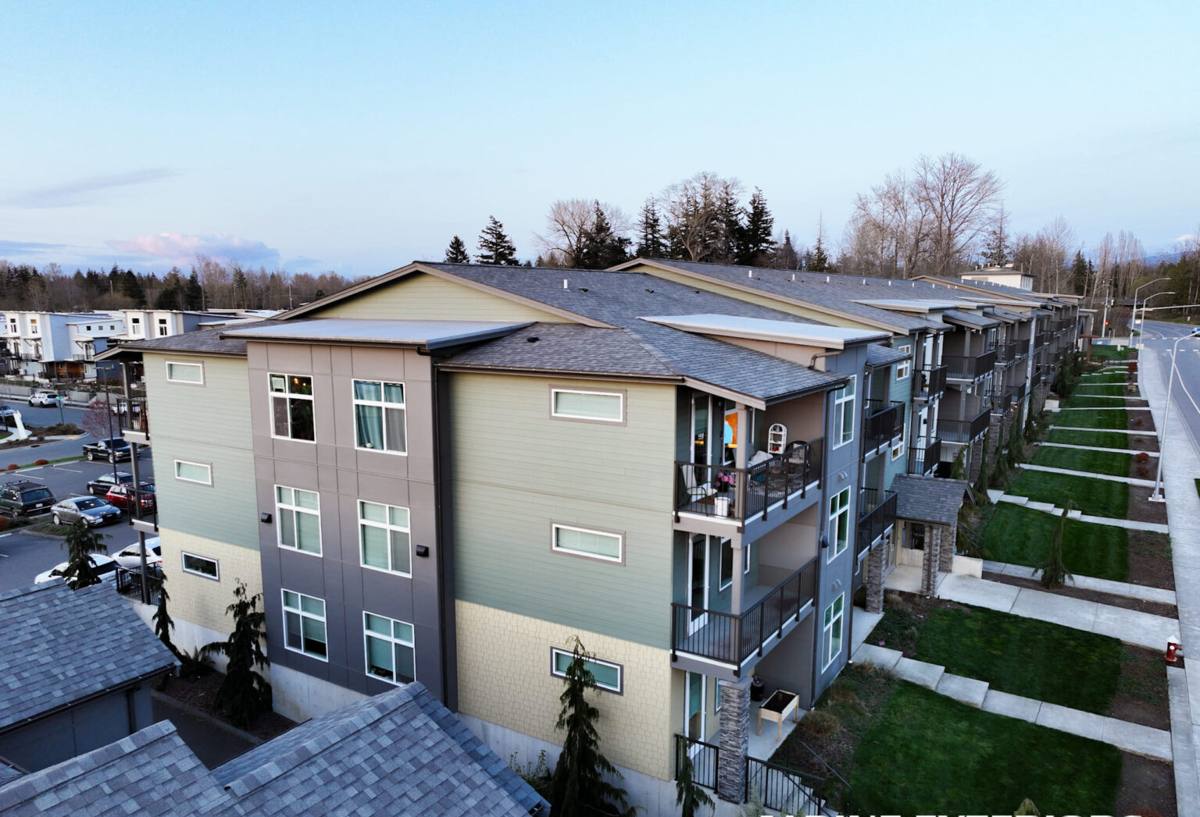
What Nooksack Homes Typically Deal With
Most of the calls we get in this area fall into a handful of patterns:
- Older aluminum-frame windows from the 1970s-90s with little to no thermal break, so the frame itself gets cold and sweats
- Single-pane or early double-pane units with failed seals — you'll see fog or haze trapped between the panes
- Wood-frame windows with sills that have started to soften or show dark staining from repeated wetting
- Vinyl windows installed without proper flashing integration into the house wrap, which lets wind-driven rain track behind the trim
- Drafts around the frame that get noticeably worse when the wind is coming off the water
None of these are unusual for a home in this part of Whatcom County. What matters is catching them before the moisture issue outlasts the comfort issue.
Signs It's Time to Look at Your Windows
- Visible fog, haze, or moisture between the panes of a double-pane window
- Cold air you can feel near the frame even with the window fully latched
- Condensation forming on the inside of the glass regularly, especially in winter
- Soft, spongy, or discolored wood at the sill or lower corners
- Moss or dark streaking building up on the exterior trim around the window
- Windows that are difficult to open, close, or latch — a sign the frame has shifted or swollen
- A noticeable rise in heating costs without any other explanation
What a Correct Energy-Efficient Window Job Actually Involves
Swapping the glass unit for something with a better energy rating is the easy part. The work that actually determines whether the window performs — and stays watertight — happens around it.
Flashing and Water Management
Every window opening needs to be flashed so that any water that does get past the exterior trim sheds down and out, not into the wall cavity. That means sill pan flashing, properly lapped side and head flashing, and correct integration with the house's weather-resistive barrier. This is the step that gets skipped most often on cut-rate installs, and it's the one that causes the expensive problems years later.
Air Sealing
The gap between the window frame and the rough opening needs to be sealed with the right materials — not just caulk smeared over the trim. Low-expansion foam or backer rod and sealant, sized correctly for the gap, keeps conditioned air in and drafts out without bowing the frame.
Frame and Glass Selection
The frame material and glass package both affect how the window performs in our specific climate — heavy rain exposure, moderate but persistent cold snaps, and a lot of gray, low-sun days where solar heat gain isn't doing much work for you.
| Window Type | Typical Strengths | Trade-Offs in This Climate |
|---|---|---|
| Vinyl, double-pane | Good value, low maintenance, solid energy performance | Frame can expand/contract with temperature swings; quality of installation matters more than the frame itself |
| Fiberglass frame | Very stable dimensionally, holds paint well, strong in wet climates | Higher upfront cost than vinyl |
| Wood, clad exterior | Classic look, warm interior finish | Exterior cladding must be fully sealed or moisture will find the wood underneath |
| Aluminum, thermally broken | Narrow sightlines, durable | Even with a thermal break, tends to run colder than vinyl or fiberglass in our winters |
Glass Packages
For most Nooksack homes we recommend double-pane, low-E coated glass with an argon fill as the baseline — it's a well-proven balance of cost and performance for this region. Triple-pane glass adds meaningful benefit mainly on north-facing walls or rooms that run consistently cold, but it adds weight and cost that isn't always worth it on every opening in the house. We'll walk through which rooms actually benefit before recommending it across the board.
Our Process
- On-site assessment. We look at every window you're considering, not just the ones that are visibly failing. Some problems — like a slowly rotting sill under a coat of paint — aren't obvious until someone's actually checking.
- Honest scope and pricing. You get a clear breakdown of what's being replaced, what glass and frame package makes sense, and why — no upsell for the sake of it.
- Removal and opening prep. Old windows come out carefully so we can inspect the rough opening, sill, and surrounding sheathing for hidden water damage before anything new goes in.
- Flashing and installation. Sill pan flashing, proper house wrap integration, and correct fastening per the window manufacturer's specs — every time, not just when it's convenient.
- Air sealing and trim. Interior and exterior trim work finished cleanly, with the insulation gap sealed correctly rather than just stuffed with fiberglass.
- Walkthrough. We check operation, latching, and finish with you before we consider the job done.
What It Costs — and What Drives the Number
We don't publish flat per-window prices because the real cost driver is almost never the glass — it's what's involved in the opening itself. Here's what actually moves the number:
| Factor | Why It Matters |
|---|---|
| Frame material and glass package | Vinyl runs less than fiberglass or clad-wood; triple-pane adds cost per unit |
| Rot or water damage found at removal | Damaged sheathing or framing needs repair before a new window can be properly flashed in |
| Window size and configuration | Large picture windows, bays, and custom shapes cost more than standard operable units |
| Number of openings done at once | Doing multiple windows in one visit typically costs less per window than one-offs |
| Trim and siding tie-in | Matching existing trim profiles or siding cuts around the new window adds labor |
Broadly, homeowners in this area should expect a range from a few hundred dollars for a straightforward like-for-like vinyl replacement up to several thousand for larger openings, premium frame materials, or jobs that uncover repair work along the way. We'll give you real numbers once we've actually looked at your windows.
Why a Crew That Already Works in Nooksack Matters
Window installation is one of those jobs where the same materials can produce very different results depending on who's holding the caulk gun. A crew that regularly works Whatcom County homes has already seen how wind-driven rain behaves against different wall orientations, knows which older window brands in this area tend to have failure-prone seals, and doesn't need to guess at flashing details for our climate — they've done it enough times to get it right the first time.
It also means we're not learning on your house. Salt air and sustained wet weather are unforgiving of shortcuts — a flashing detail that might get away with it in a drier climate will show up as a stain on your ceiling here within a season or two.
Maintenance That Actually Extends Window Life
- Clean weep holes on vinyl and aluminum frames at least once a year so water can drain instead of pooling
- Wipe down sills and tracks after major storms, especially on wind-exposed sides of the house
- Check exterior caulking annually and re-seal any cracked or shrunk beads before the wet season starts
- Keep gutters and downspouts clear so runoff isn't sheeting directly down over window openings
- Watch for early moss or algae growth on trim — it holds moisture against the wood longer than bare surfaces
Let's Take a Look
If your windows are drafty, fogged, sticking, or just older than they should be for how they're performing, we're happy to come out, take an honest look, and tell you what we'd actually recommend — no pressure, no inflated scope. Use the form below to request a free estimate for your Nooksack home.