 Birch Bay Siding
 Storm Damage Roof Repair for Cottonwood Beach Homes
Cottonwood Beach sits close enough to the water that every roof in the neighborhood is doing double duty: shedding Whatcom County's winter rain and standing up to salt-laden wind coming off Birch Bay. When a storm rolls through, the damage isn't always obvious from the ground. A few lifted shingles, a cracked pipe boot, or a dented ridge cap can look minor for months before they turn into a stained ceiling or soft decking. We repair storm-damaged roofs for homes in this immediate area, and we approach every job the same way: figure out exactly what the storm did, fix that, and check the rest of the roof for the slower damage that salt air and moss have already been working on before the storm ever hit.
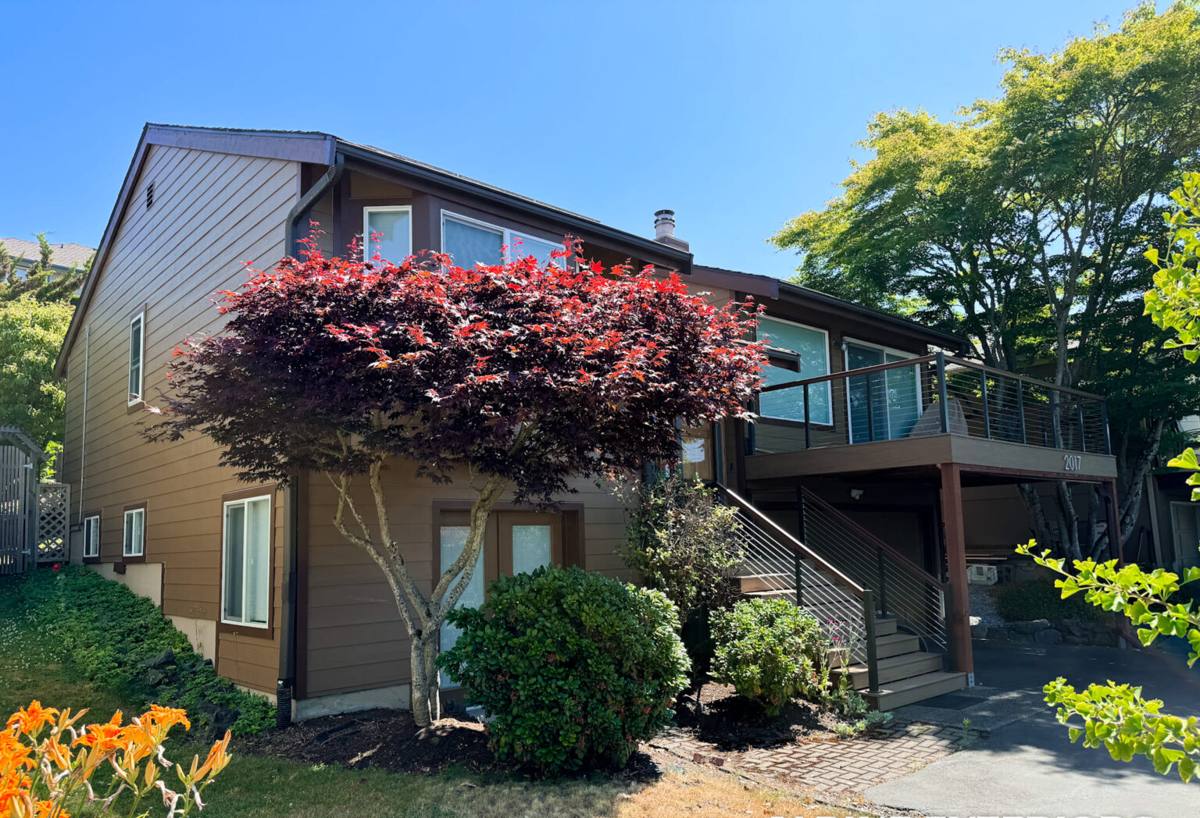
Why Cottonwood Beach Roofs Take a Different Kind of Beating
Roofs a mile inland deal with rain. Roofs in Cottonwood Beach deal with rain, wind, and salt together, and that combination changes how damage happens and how it should be repaired.
Salt Air
Airborne salt from Birch Bay settles on roofing metal, fasteners, and flashing year-round. It speeds up corrosion on exposed nail heads, drip edge, and any galvanized metal that isn't properly coated or protected. A fastener that would last decades a few miles inland can start rusting and backing out much sooner this close to the water. After a storm, we check fastener condition as closely as we check for wind damage, because corroded nails are often what let shingles lift in the first place.
Driving Rain
Storms here rarely come straight down. Wind off the bay drives rain sideways, which pushes water up under shingle tabs, into vent flashing, and along any seam that isn't sealed or lapped correctly. A roof that would shed a vertical rain just fine can leak under wind-driven rain if the underlayment, flashing laps, or shingle nailing pattern aren't built for it. This is one of the most common causes of "mystery leaks" we find after a storm — the roof wasn't damaged so much as it was never quite ready for rain coming in sideways.
A Long Moss Season
Western Whatcom County's mild, wet winters give moss a long growing window. Moss holds moisture against the roof surface, works its way under shingle edges, and adds weight in valleys and on north-facing slopes that don't get much sun. A storm can knock loose shingles that moss had already been prying up for a season or two. When we repair storm damage, we also note moss coverage and drainage problems nearby, because leaving those in place just sets up the next round of damage.
What Counts as Storm Damage — and What Doesn't
Not every roof problem after a windstorm is actually storm damage, and knowing the difference matters for how the repair gets scoped and, if it applies, how an insurance claim gets handled.
- Wind-lifted or torn-off shingles — sealant bonds break and tabs fold back or blow off entirely, usually starting at roof edges and corners where wind uplift is strongest.
- Displaced or dented flashing — around chimneys, skylights, and roof-to-wall transitions, often bent by wind or struck by falling branches.
- Impact damage — from tree limbs, wind-blown debris, or hail, showing up as punctures, cracked shingles, or dented metal panels.
- Fastener backout — nails or screws worked loose by wind flex, sometimes accelerated by the corrosion salt air causes.
- Pre-existing wear that a storm exposed — moss-lifted shingles, brittle sealant, or worn flashing that finally failed under stress, which is real damage worth fixing but isn't technically "storm-caused."
We're upfront about which category we're looking at. It affects the repair plan and it matters if you're filing a claim — insurers distinguish between sudden storm damage and gradual wear, and an honest assessment protects you either way.
Our Storm Damage Repair Process
1. Roof and Attic Inspection
We walk the roof and check the attic from the inside, since water often travels along rafters or sheathing before it shows up as a ceiling stain. We're looking for the storm's actual entry point, not just the visible symptom.
2. Documentation
We photograph damage before touching anything — torn shingles, bent flashing, impact marks, and any interior water staining. This documentation is what an insurance adjuster will want to see, and it's useful for you even if you're paying out of pocket, so you know exactly what was found and why.
3. Temporary Protection, If Needed
If there's an active leak or exposed decking, we get a tarp or temporary seal in place fast. Waiting a week for a full repair while rain keeps getting into the attic is how a small storm repair turns into a decking or insulation replacement.
4. The Repair Itself
Depending on the damage, this might mean replacing a section of shingles, re-bedding or replacing flashing, resetting a pipe boot, or repairing a run of ridge cap. We match materials as closely as possible to what's already on the roof and use fasteners and sealants rated for coastal exposure, not just whatever's standard inland.
5. Full-Roof Check
Before we call it done, we look at the rest of the roof — moss buildup, gutter and drainage condition, other fasteners showing early corrosion. If we see something that's going to cause a problem next winter, we tell you. We don't upsell a full re-roof off a storm repair call, but we're not going to ignore a problem we can see either.
Repair Approach by Damage Type
| Damage Type | Typical Cause Here | Repair Approach | What Makes It Coastal-Specific |
|---|---|---|---|
| Lifted or missing shingles | Wind uplift at edges/corners | Replace affected shingles, re-seal tabs | Matching sealant and nailing pattern rated for wind-driven rain exposure |
| Flashing damage | Wind flex, debris impact | Re-bed or replace flashing, reseal laps | Corrosion-resistant metal and fasteners for salt air |
| Fastener backout | Wind flex plus corrosion | Reset or replace fasteners, check surrounding field | Salt-air corrosion accelerates this beyond normal wind wear |
| Moss-related lifting | Long wet season, shaded slopes | Clear moss, repair lifted shingles, improve airflow if possible | Longer moss season here than inland means it recurs faster without upkeep |
| Impact punctures | Falling branches, wind debris | Patch or replace section, check decking underneath | Standard repair, but decking checked closely for hidden moisture |
Insurance and Documentation
Most homeowners insurance covers sudden storm damage, though policies and deductibles vary. If you're filing a claim, timing and documentation both matter. We can provide photos and a written description of what we found and what we repaired, which adjusters generally want as part of the claim. We're not a public adjuster and we won't promise a claim outcome, but we'll give you an honest, specific account of the damage so you're not guessing what to tell your insurer.
One thing worth knowing: insurers sometimes push back on claims where damage looks more like gradual wear than a single storm event. This is exactly why we separate storm-caused damage from pre-existing wear in our assessment — it's more useful to you than a report that blurs the two together, even if the honest answer is less convenient.
Preventing Repeat Damage
A storm repair fixes what broke. Preventing the next round of damage takes a bit more. A few things worth checking on any Cottonwood Beach roof, storm or no storm:
- Gutters and downspouts clear and draining, especially before winter storm season
- Moss kept off the roof surface, particularly on shaded north-facing slopes
- Flashing around chimneys, skylights, and vents inspected annually, not just after storms
- Fasteners and exposed metal checked periodically for early corrosion given the salt exposure
- Overhanging branches trimmed back so falling limbs and rubbing branches aren't a recurring threat
- Attic checked once a year for signs of moisture that haven't shown up on the ceiling yet
None of this is expensive or complicated, but it's easy to skip when the roof looks fine from the driveway. A short annual check catches most of what would otherwise turn into a storm-damage call.
Why Hiring a Crew That Already Works Cottonwood Beach Matters
A roof repair contractor who mostly works inland is used to inland problems. They may not think to check fastener corrosion the way we do, or recognize that a leak pattern is coming from wind-driven rain rather than a simple shingle failure. Working this stretch of Birch Bay regularly means we already know what tends to fail here and why, which shortens the diagnostic part of the job and reduces the chance of a repair that holds up inland but not against salt air and driving coastal wind. It also means we're not learning the neighborhood's roofs for the first time on your dime.
Get a Free, No-Pressure Estimate
If a recent storm left you with lifted shingles, a leak, or damage you're not sure how to categorize, we're happy to take a look. The estimate is free, there's no pressure to book anything on the spot, and you'll get a straight answer about what's storm damage, what's pre-existing wear, and what it'll take to fix it right. Use the form below to get started.