 Birch Bay Siding
 Roofing on Cottonwood Beach: A Different Set of Rules
Cottonwood Beach sits close enough to the water that the air itself works against a roof every single day. Salt-laden marine air off the Strait of Georgia and Semiahmoo Bay settles into fastener heads, flashing seams, and exposed metal edges. Add Whatcom County's long, wet shoulder seasons and the shaded, moisture-holding tree canopy common in this part of Birch Bay, and you get a roofing environment that punishes shortcuts faster than most inland neighborhoods ever will. A roof that would coast along for twenty-five years in a dry climate can show real trouble in half that time here if it wasn't installed with this specific exposure in mind.
We install new roofs for homes in and around Cottonwood Beach on a regular basis, which means we're not guessing at how this microclimate behaves — we're planning for it from the first material choice to the last nail.
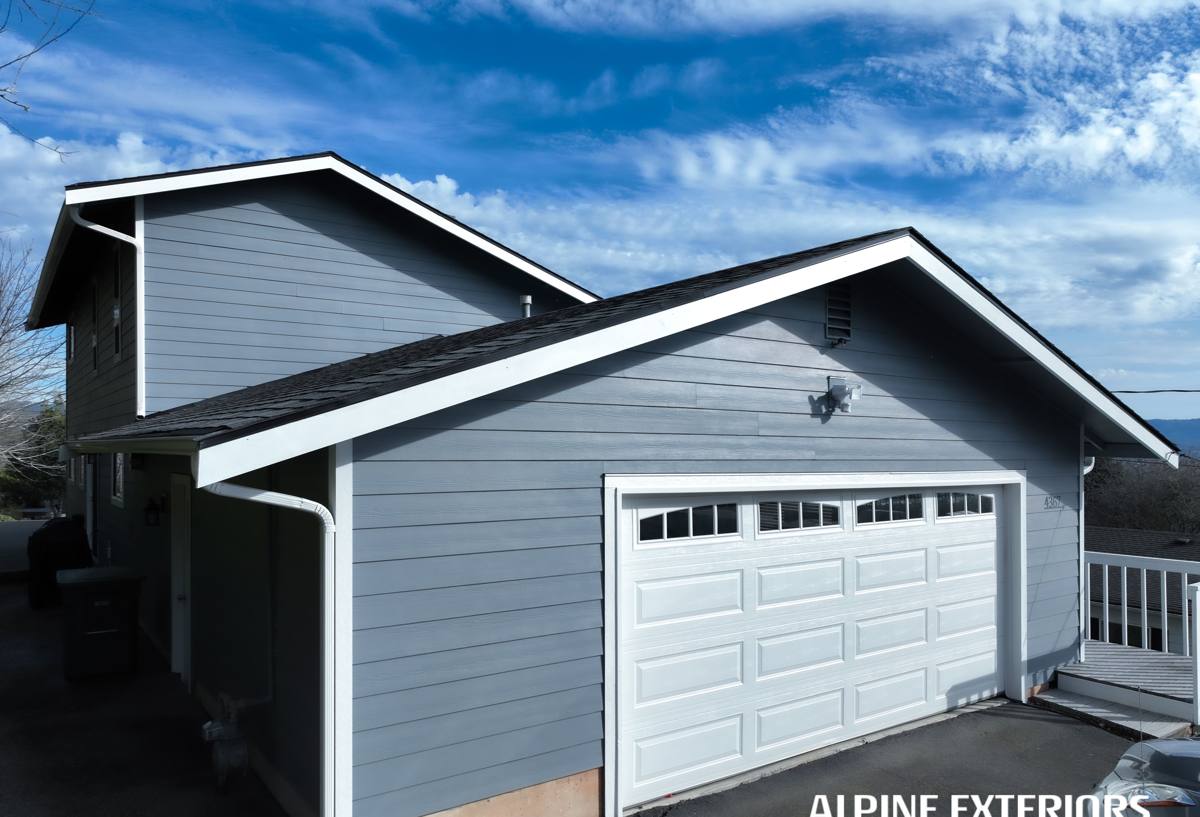
What Salt Air, Driving Rain, and Moss Actually Do to a Roof
Salt Air
Airborne salt accelerates corrosion on any unprotected or under-protected metal — nail heads, flashing, drip edge, vents, and fasteners. Once corrosion starts at a fastener, it creates a tiny path for water to follow underneath the roofing material, and that path only gets worse over time. This is why fastener and flashing spec matters more here than in a lot of Whatcom County's inland communities.
Driving Rain
Storms coming off the water don't just fall straight down — wind pushes rain sideways and up under laps, ridge caps, and valleys that would stay dry in a calmer climate. Underlayment quality, lap direction, and valley detailing all carry more weight on a wind-exposed lot near the beach than they would on a sheltered inland site.
Moss Season
Western Washington's moss season runs long, and Cottonwood Beach's mix of shade, moisture, and cooler roof surfaces gives moss plenty of time to take hold. Moss doesn't just look bad — it holds water against the roofing material, lifts shingle edges, and works its way into laps and fastener lines. A roof designed with moss resistance in mind from day one needs far less aggressive maintenance later.
What a Correctly Built New Roof Includes Here
A new roof installation on Cottonwood Beach isn't just "shingles and nails." Every layer of the system is doing a specific job against this climate:
- Underlayment: A synthetic, high-water-resistance underlayment across the full deck, not just the eaves — the whole roof is exposed to wind-driven rain here, not only the edges.
- Ice and water shield: Self-adhering membrane at eaves, valleys, and any low-slope transitions, where wind-driven moisture and standing water are most likely to find a way in.
- Fasteners and flashing: Corrosion-resistant fastener and flashing selection appropriate for coastal exposure, so salt air isn't working against the roof from the inside out.
- Ventilation: Balanced intake and exhaust ventilation to keep the deck dry and temperature-stable, which also slows moss and moisture-related deck issues.
- Moss-conscious detailing: Clean valley and lap work, and where appropriate, zinc or copper strip options near the ridge to naturally slow moss regrowth over time.
- Field-verified deck condition: Confirming the sheathing underneath is sound before anything new goes down — a new roof over a compromised deck is a warranty problem waiting to happen.
Choosing Roofing Materials for a Coastal Whatcom County Home
There's no single "best" roofing material for every Cottonwood Beach home — the right choice depends on the home's exposure, roof pitch, budget, and how much long-term maintenance the homeowner wants to take on. Here's how the common options actually perform in this specific climate:
| Material | Coastal/Salt Air Behavior | Moss Resistance | Typical Maintenance |
|---|---|---|---|
| Architectural asphalt shingle | Good with proper fastener/flashing spec; algae-resistant granules recommended | Moderate — benefits from zinc strips and periodic cleaning | Low to moderate |
| Standing seam metal | Excellent when coated/fastener-matched for coastal use | High — moss struggles to grip smooth metal | Low |
| Synthetic/composite shake | Good; resists moisture absorption better than wood | Moderate to high | Low to moderate |
| Cedar shake (natural wood) | Requires diligent maintenance in this climate | Low without regular treatment | High |
We'll walk through these trade-offs honestly during your estimate. We tend to steer coastal Birch Bay clients away from untreated natural wood shake specifically because of the maintenance burden it creates in a moss-heavy, high-moisture environment — not because it's a bad product everywhere, just because it asks a lot of a homeowner in this particular setting.
Our Process for a Cottonwood Beach Re-Roof
1. On-Site Assessment
We walk the roof and attic, check deck condition, ventilation, current flashing, and any signs of past moss or moisture damage. We look at the home's specific wind and shade exposure, since two houses a few blocks apart in Cottonwood Beach can face very different conditions depending on tree cover and orientation to the water.
2. Material and Scope Recommendation
We give you a straightforward recommendation based on what we found — not a generic package. If your roof's biggest risk is wind-driven rain in the valleys, that's where we'll spend extra attention. If moss has been a recurring problem, we'll talk through zinc strips or a metal option.
3. Tear-Off and Deck Inspection
Full tear-off to bare deck so we can actually see what's underneath. Any soft, rotted, or moisture-damaged sheathing gets identified and addressed before new material goes down — this step gets skipped on cheap re-roofs and it's the single biggest cause of early roof failure.
4. Underlayment, Flashing, and Ventilation Install
This is where the coastal-specific detailing happens: full-deck synthetic underlayment, ice and water shield at vulnerable points, corrosion-resistant flashing, and balanced ventilation set up correctly the first time.
5. Roofing Material Installation
Installed to manufacturer spec with fastening patterns appropriate for a wind-exposed coastal lot, not just the minimum required inland.
6. Final Walkthrough
We walk the finished roof with you, review what was done, and go over any maintenance recommendations specific to your home's shade and moss exposure.
Cost Factors for a New Roof in This Area
Every roof is priced based on the specific home, but the factors that tend to move the number most for Cottonwood Beach properties are:
| Factor | Why It Matters Here |
|---|---|
| Roof size and pitch | More surface area and steeper pitches mean more material and labor |
| Deck condition | Moisture-damaged sheathing found during tear-off adds repair scope |
| Material choice | Metal and synthetic options cost more upfront, less in long-term maintenance |
| Flashing and detail complexity | Valleys, chimneys, and skylights all need extra coastal-grade detailing |
| Access and site conditions | Tree cover, slope, and lot access affect labor time |
We give written, itemized estimates so you can see exactly what you're paying for and why — no vague lump-sum numbers.
Signs a Cottonwood Beach Roof Needs Replacement, Not Repair
- Granule loss heavy enough to see bald patches or pooled granules in gutters
- Persistent moss growth that returns quickly after cleaning
- Soft spots, sagging, or visible daylight in the attic decking
- Repeated leaks in different locations rather than one isolated spot
- Flashing that's visibly corroded, lifted, or separating from the roof surface
- Roof age past 20-25 years for asphalt in this climate, even without obvious damage
If your roof shows one or two of these, a targeted repair may still make sense. If several are present together, that's usually a sign the whole system is aging out at once — and patching individual spots stops being cost-effective.
Why Local Experience on Cottonwood Beach Matters
A roofing crew that only occasionally works this close to the water will spec the same underlayment, flashing, and fastener package they'd use on a dry inland roof twenty miles away. That's how coastal homes end up with corrosion at the fasteners or moisture intrusion in valleys within a few years of a "new" roof. Working Birch Bay and Cottonwood Beach regularly means we already know which details matter most for this exposure before we ever climb the ladder — and it means when you call us in five or ten years for a maintenance question, we're not starting from zero on your home.
Whatcom County's coastal weather isn't going to change, so the roof going on your home needs to be built for the conditions it will actually face, not the conditions a spec sheet assumes.
Get an Honest Estimate for Your Cottonwood Beach Roof
If you're weighing a repair against a full replacement, or you just want a clear-eyed look at what your roof needs, we're happy to come take a look. There's no pressure and no obligation — just a straight answer about where your roof stands and what it would take to get it right. Use the form below to request your free estimate.