 Birch Bay Siding
 Custom Windows for Lummi Island's Marine Exposure
Lummi Island sits out in the salt air and open water exposure that defines this stretch of Whatcom County, and that exposure is exactly what makes window selection and installation here different from a typical inland job. Homes on the island face a steady combination of salt-laden wind, driving rain that comes in sideways during winter storms, and a long, damp moss season that keeps humidity elevated for months at a time. Windows that would hold up fine in a sheltered neighborhood further inland can fail early out here if they're not specified and installed correctly.
We work as a Birch Bay-based crew that regularly takes on projects across the surrounding water-exposed communities, including Lummi Island, so this isn't a one-off job for us. It's a climate we plan for on every window project we scope in this part of the county.
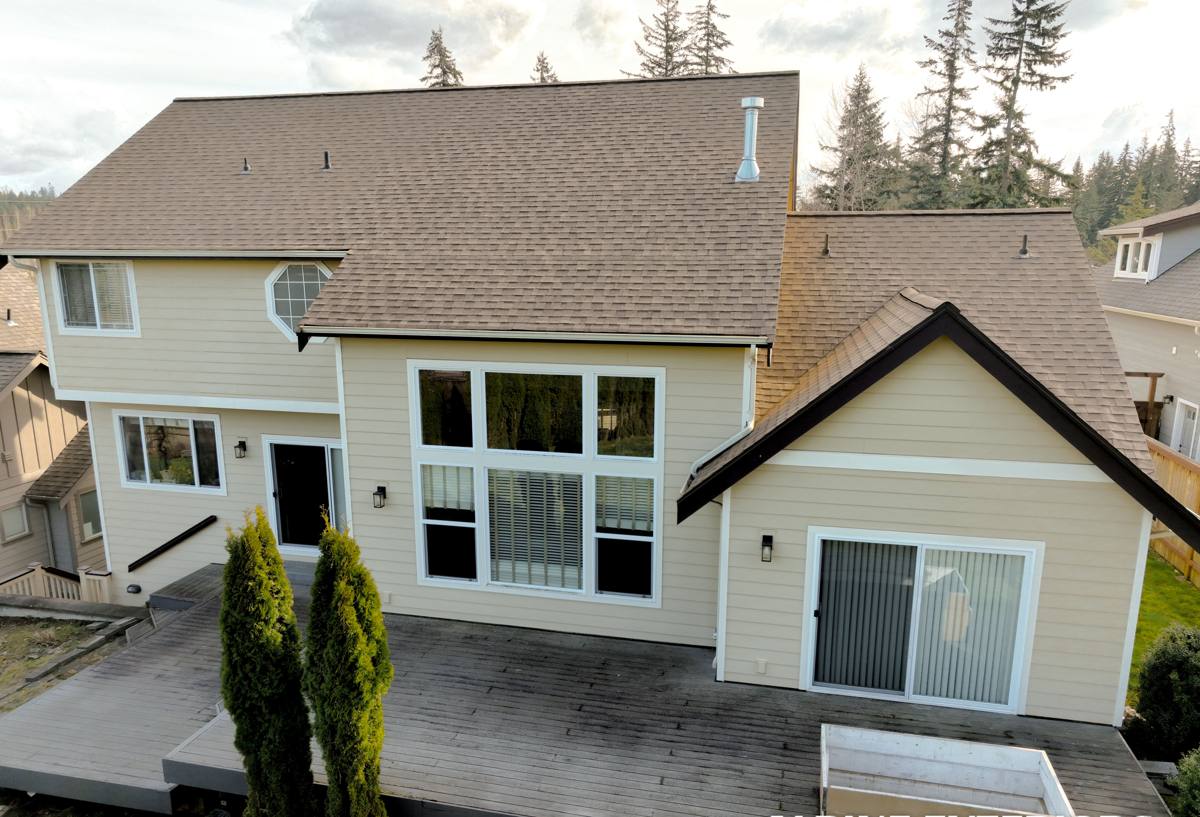
What Salt Air and Driving Rain Actually Do to a Window
Before we talk about products or process, it helps to understand the specific failure modes we're guarding against. This isn't generic weatherproofing advice — it's what actually breaks windows on island and shoreline properties in this region.
Salt-Laden Air
Airborne salt is corrosive to unprotected metal hardware, fasteners, and certain frame components. Over years of exposure, cheap or poorly coated hardware can pit, stick, or corrode well before the glass unit itself fails. It also accelerates the breakdown of some exterior finishes, which is why finish quality and hardware grade matter more here than they would on a house set back from the water.
Wind-Driven Rain
Storms coming off the water don't just fall straight down — they push rain sideways and upward under trim and into any gap that isn't properly flashed. A window that's watertight in a light rain can still leak during a driving winter storm if the flashing details and sill pan aren't done right. This is one of the most common sources of hidden rot we find behind older window installs.
Extended Moss and Humidity Season
Whatcom County's damp season runs long, and on shaded or north-facing walls that moisture can sit for weeks without fully drying out. Wood trim, sills, and any organic material in contact with moisture for that long are at real risk of decay if they aren't properly sealed, primed, and detailed to shed water rather than trap it.
Choosing the Right Window Materials for Island Exposure
There's no single "best" window material for every home — the right choice depends on your home's exposure, your maintenance appetite, and your budget. Here's how the common frame options actually perform under Lummi Island conditions, based on the trade-offs we see in the field.
| Frame Material | Salt Air Performance | Maintenance | Notes for This Climate |
|---|---|---|---|
| Vinyl | Good — won't corrode | Low | Solid value option; quality varies a lot between manufacturers, so we're selective about which lines we install |
| Fiberglass | Excellent — very stable in moisture and temperature swings | Low | Our default recommendation for high-exposure walls facing the water or prevailing storm direction |
| Wood (unclad) | Poor unless meticulously maintained | High | We generally steer clients away from unclad wood on direct-exposure elevations here — the maintenance burden in this climate is significant |
| Wood-clad (aluminum or fiberglass exterior) | Good on the exterior face; interior wood still needs normal care | Moderate | Reasonable option when you want a wood interior look with better exterior durability |
| Aluminum | Requires a quality marine-grade finish or coating to avoid pitting over time | Low to moderate | Less common for residential custom windows; more often seen in larger commercial-style openings |
Our honest recommendation for most Lummi Island homes with meaningful water or wind exposure is fiberglass or a well-built vinyl unit with marine-grade hardware. That's not a knock on wood-frame windows as a product category — it's a reflection of how much upkeep bare wood realistically needs in a climate with this much moisture, and most homeowners would rather not sign up for that maintenance schedule on a full house of windows.
Glazing Considerations
Double-pane, low-E glass is the practical baseline for this climate — it manages condensation better and improves comfort near the glass on cold, windy days. Triple-pane can make sense on walls that take the brunt of prevailing storms or for homeowners prioritizing sound dampening and maximum efficiency, but it adds cost and weight, and on a lot of Lummi Island homes a well-specified double-pane unit is the more sensible balance of performance and budget.
What a Correct Installation Actually Involves
The window unit itself is only part of the equation. In our experience, most premature window failures on exposed coastal and island properties trace back to installation shortcuts, not product defects. Here's what we consider non-negotiable on every custom window install in this area:
- Proper sill pan flashing so any water that gets past the frame drains out and away from the wall assembly, not into it
- Weather-resistant barrier integration that shingles correctly with the existing wall's house wrap or building paper — sequencing matters as much as materials
- Backer rod and high-quality exterior sealant at the perimeter, rated for UV and salt exposure, not a generic caulk that will crack and shrink within a couple of seasons
- Correct shimming and fastening so the frame stays square and the sash operates smoothly for years, not just on install day
- Interior air sealing, not just exterior caulking — a huge share of drafts and moisture problems come from gaps on the inside that never get addressed
- Verifying manufacturer-specific installation instructions are followed, since deviating from them can void the product warranty entirely
Any one of these steps done carelessly can undermine an otherwise good window. We treat flashing and sealing details as the actual craft of the job — the window itself is a manufactured product, but how it's integrated into your wall is where a contractor's skill shows up.
Our Process for Lummi Island Window Projects
- On-site assessment. We look at each opening individually — exposure direction, existing trim and flashing condition, any signs of past moisture intrusion, and the structural condition around the rough opening.
- Material and product recommendation. Based on that assessment, we recommend frame material, glazing package, and hardware grade suited to that specific wall's exposure, not a one-size answer for the whole house.
- Written estimate. You get a clear scope and price before any work starts, with straightforward reasoning behind the recommendations — no pressure tactics, no inflated urgency.
- Removal and prep. Old units come out carefully, and we inspect the framing and sheathing behind them for hidden rot or water damage before anything new goes in — this is often where problems from a prior install surface.
- Installation. Flashing, sealing, shimming, and fastening are done to the standards outlined above, on every window, not just the ones that are easy to reach.
- Final walkthrough. We check operation, seal quality, and interior finish work with you before considering the job done.
Moss Season and Long-Term Window Care
Once your windows are installed correctly, upkeep is manageable, but it's not zero. Whatcom County's long wet season means moss and algae can build up on north-facing trim and sills if they're never cleaned, and organic buildup that sits against a sill for months adds unnecessary moisture load. A simple annual check — clearing debris from tracks and weep holes, checking that exterior sealant hasn't cracked, and confirming hardware still operates freely — goes a long way toward getting the full service life out of your investment. We're glad to walk any client through what a reasonable maintenance rhythm looks like for their specific windows.
Why Hiring a Crew That Already Works Lummi Island Matters
Window and siding contractors who mostly work drier, more sheltered inland jobs don't always think about flashing details or hardware specs the way this exposure demands. A crew that regularly works Birch Bay and the surrounding water-exposed communities already has the judgment calls worked out — which wall orientations need extra attention, which hardware grades hold up, and where the flashing details actually matter most. That's not something you can shortcut with a generic install checklist; it comes from doing the work in this specific climate repeatedly.
There's also a logistics side to island work that an unfamiliar contractor can underestimate — scheduling, material staging, and access all take a bit more planning than a standard mainland job. We factor that into our estimates and timelines up front rather than letting it become a surprise mid-project.
What to Ask Before You Sign a Window Contract
Whoever you hire for a custom window project on Lummi Island, these are reasonable questions to ask before signing anything:
- What frame material and glazing package are you recommending for each specific wall, and why?
- What flashing and sill pan approach will you use, and does it match the manufacturer's installation instructions?
- What's covered under the product warranty versus the installation warranty, and who do I contact for each?
- Will you inspect the framing behind the old windows for hidden moisture damage before installing new ones?
- Do you have experience with water-exposed or island properties specifically, not just general residential work?
- What does the written estimate include — removal, disposal, trim work, and interior finishing — and what's excluded?
A contractor who can answer these clearly and specifically, rather than with vague reassurances, is generally one who understands the job.
Cost Factors to Expect
Custom window pricing varies with size, frame material, glazing package, and how much flashing or trim repair is needed once the old units come out, so we don't quote a flat number here. In general, expect the total to move with these factors:
| Factor | Impact on Cost |
|---|---|
| Frame material (vinyl vs. fiberglass vs. wood-clad) | Moderate to significant — fiberglass and wood-clad typically cost more than standard vinyl |
| Glazing package (double vs. triple pane) | Moderate — triple-pane adds cost per unit |
| Window size and configuration | Significant — larger and custom-shaped units cost more than standard sizes |
| Condition of existing framing | Variable — hidden rot or damage found during removal adds repair cost |
| Number of openings | Direct — more windows means more material and labor |
| Access and site logistics | Modest — island access can add modest scheduling or staging cost |
We'll always give you a written, itemized estimate before starting, so you know exactly what's driving the price on your specific project rather than a generic per-window number that doesn't reflect your home.
If you're weighing window options for a Lummi Island property, we're happy to come take a look and give you a straight, no-pressure assessment of what your home actually needs. Use the form below to request a free estimate.