 Birch Bay Siding
 Point Whitehorn Sits Right at the Edge of Whatcom County's Toughest Weather
Point Whitehorn is close enough to the water that homes here take a different beating than houses ten miles inland in Whatcom County. Salt-laden air drifts off the Strait, wind-driven rain comes in sideways during winter storms, and the tree cover that makes this area beautiful also keeps siding shaded and damp for long stretches of the year. Add it up and you get a microclimate that's harder on exterior materials than most manufacturers' warranty language assumes.
We don't treat Point Whitehorn like a generic Birch Bay job. The exposure here — proximity to salt water, persistent moisture, and a moss season that can run from fall through spring — changes what "correct installation" actually means, and it's a big part of why we only install one siding product across every job we take.
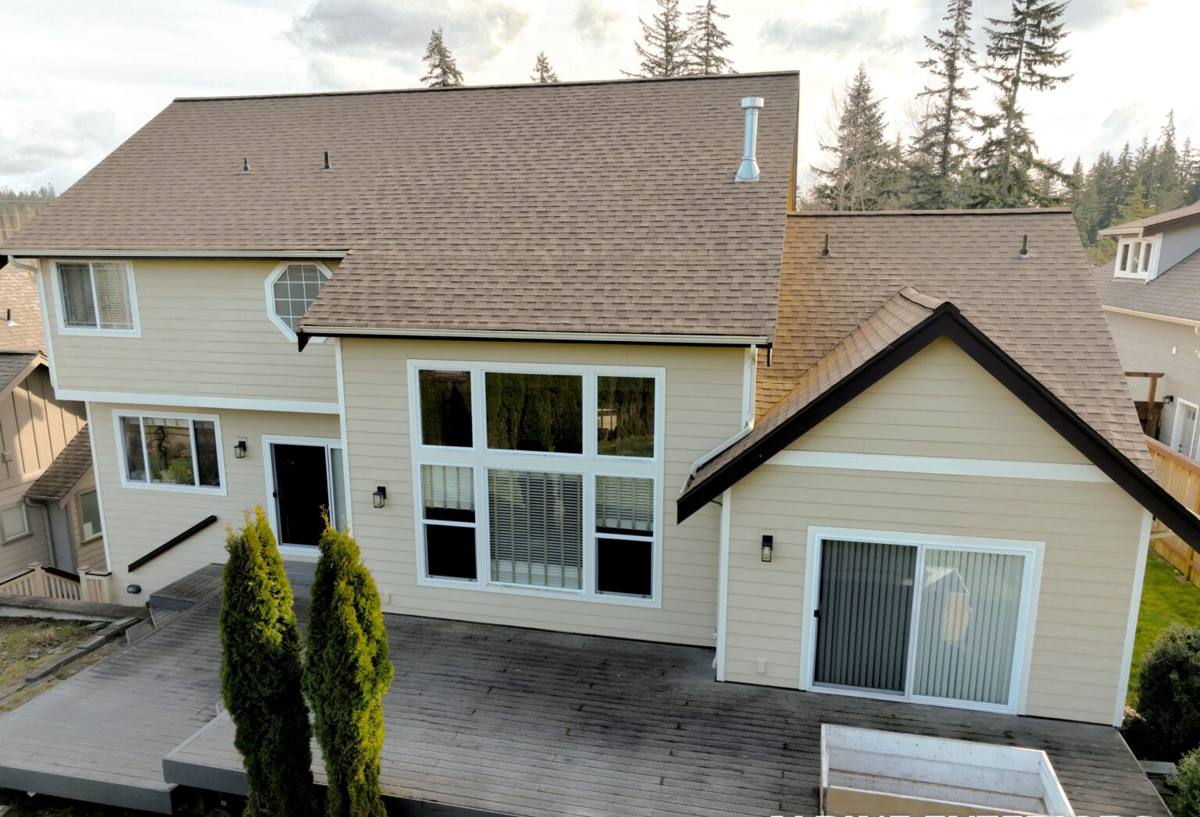
What Salt Air, Driving Rain, and Moss Actually Do to a House
Each of these isn't just a nuisance — they attack a house in specific, compounding ways:
Salt Air
Airborne salt is corrosive to fasteners, flashing, and any metal trim that isn't rated for coastal exposure. It also accelerates the breakdown of paint film on wood and composite sidings, which is why homes near the water tend to need repainting on a shorter cycle than the same house set back from the coast.
Wind-Driven Rain
Rain that comes in at an angle doesn't just wet the face of the siding — it pushes water up under laps, around trim, and into any gap in the flashing detail. A siding system that isn't drained and flashed correctly for this kind of exposure will eventually let water behind the cladding, where it does the real damage.
A Long Moss Season
Shade, moisture, and mild temperatures are exactly what moss and mildew need to establish themselves. On porous or absorbent siding materials, that growth holds moisture against the substrate for months at a time, which is a slow but steady path to rot and paint failure.
Why We Only Install James Hardie in Exposure Like This
James Hardie fiber cement is manufactured with regional climate zones in mind — the HZ5 product line used across Western Washington is engineered specifically for wet, temperate coastal conditions. That matters in Point Whitehorn more than almost anywhere else in our service area, for a few concrete reasons:
- Fiber cement doesn't rot. It's made from cement, sand, and cellulose fiber — there's no wood substrate for moisture to break down, even after months of shaded, damp exposure.
- It's non-combustible. Not a coastal-specific benefit on its own, but it's part of why we standardized on the product for every home we side, regardless of location.
- ColorPlus factory finish holds up to salt air better than field-applied paint. The finish is baked on in a controlled environment with a tighter bond than paint applied on site, and it comes with its own finish warranty separate from the substrate warranty.
- It resists moss and mildew better than wood or engineered wood products. It won't stop growth from forming on the surface, but it won't feed or absorb into the material the way an organic-based product can.
We get asked fairly often why we don't install LP SmartSide, vinyl, or cedar. In an exposure like Point Whitehorn's, the honest answer is maintenance burden and moisture behavior over time. Engineered wood products still rely on a wood-based substrate and factory sealant at cut edges — every field cut is a place water can get in if it's not sealed correctly, and that's a lot of cut edges on a coastal remodel. Vinyl expands and contracts more than fiber cement and can become brittle over time in cold, wind-exposed conditions. Cedar is a beautiful, legitimate material, but it demands a maintenance schedule most homeowners don't want to keep up with once they see what salt air does to a finish. None of these are bad products in the right application — they're just not what we're willing to warranty our workmanship against in this particular climate.
What a Correct Installation Actually Involves Here
Hardie siding is only as good as the assembly behind it. In a high-moisture, salt-exposed location, a few details matter more than usual.
Drainage Plane and Rainscreen Gap
A weather-resistant barrier goes on the sheathing first, and in this exposure we build in a drainage gap behind the siding so any moisture that does get past the cladding has somewhere to go instead of sitting against the wall assembly.
Flashing at Every Penetration
Windows, doors, hose bibs, light fixtures, and roof-to-wall transitions all need properly lapped, corrosion-resistant flashing. On a home this close to the water, we spec fasteners and flashing metals rated for coastal exposure rather than standard-grade hardware.
Fastening and Clearances
Hardie's install specs call for specific fastener spacing, minimum clearance from grade, decks, and roof lines, and proper gapping at butt joints to allow for expansion. Skipping these is the single most common cause of premature siding failure we see when we're called out to look at someone else's installation.
Caulking and Trim
Less caulk, not more, is usually the right answer when the rest of the assembly is built correctly — caulk is a backup line of defense, not the primary seal. We use it where Hardie's install guide calls for it and avoid the trap of over-caulking to compensate for gaps that should have been solved with proper flashing.
Our Process for a Point Whitehorn Siding Job
- On-site assessment. We walk the exterior, check for existing moisture damage, rot, or past repair shortcuts, and look specifically at how exposed each elevation is to wind-driven rain and salt air.
- Removal and substrate check. Old siding comes off and we inspect the sheathing underneath before anything new goes up. Any soft or damaged sheathing gets addressed before we move forward — no siding covers a problem, it either sits on solid substrate or it gets fixed first.
- Weather barrier and drainage plane. Installed to manufacturer spec, with attention to how water will actually move on this specific home and lot.
- Flashing and trim. Every window, door, and penetration flashed before siding installation begins.
- James Hardie installation. Panels, lap siding, or shingle-style siding installed to Hardie's fastening and clearance specifications, with ColorPlus finish where color-matched trim and touch-up products are used to keep the factory finish intact.
- Final walkthrough. We go over the finished job with you before calling it done.
Why Hiring a Crew That Already Works Point Whitehorn Matters
Siding crews that mostly work drier, inland areas can do a technically fine install and still miss the exposure-specific calls that matter here — how much drainage gap to build in on a north-facing wall that never sees direct sun, which elevations need the most attention to wind-driven rain, or how much clearance to leave near ground cover and landscaping that stays damp most of the year. A crew that regularly works Birch Bay and the surrounding Whatcom County coastline has already made those judgment calls on other homes in this same weather pattern.
There's also a practical side: local crews know the permitting process for Whatcom County, understand typical lot conditions in this area, and aren't learning the coastal exposure playbook on your house for the first time.
Cost Factors for a Point Whitehorn Siding Job
Every home is different, but these are the variables that most often move the price on a coastal siding job in this area:
| Factor | Why It Matters Here |
|---|---|
| Extent of existing moisture damage | Rot or soft sheathing found during removal adds repair scope before new siding can go on |
| Home elevation exposure to wind and rain | Elevations facing the water or prevailing storm direction may need extra flashing detail |
| Siding profile chosen | Lap siding, shingle-style, and panel systems have different material and labor costs |
| Trim and color complexity | ColorPlus factory-finished trim in custom color combinations costs more than standard options |
| Access and site conditions | Tree cover, slope, and tight lot access near the coast can affect labor time |
Maintenance Checklist for Coastal Whatcom County Homes
Even with the right material and a correct install, a little seasonal attention goes a long way in this exposure:
- Rinse siding periodically to clear salt residue and organic buildup, especially on shaded elevations
- Check caulking at trim and penetrations annually for cracking or separation
- Trim back vegetation and tree cover that keeps siding shaded and damp longer than necessary
- Watch for moss or algae staining and address it early rather than letting it establish
- Inspect flashing at windows, doors, and roof-to-wall transitions after major storms
- Touch up any chipped or scratched finish promptly to keep the factory ColorPlus warranty intact
If you're weighing a siding project on a Point Whitehorn home, we're happy to take a look and walk you through what your specific exposure calls for. Reach out for a free, no-pressure estimate — there's a form right below this page.