 Birch Bay Siding
 Windows in Custer Take a Different Kind of Beating
Custer sits close enough to the water that homes here deal with a steady mix of salt-laden air, wind-driven rain, and long stretches of damp, mossy weather that can run from fall clear through spring. That combination is harder on windows than most people realize. It's not just glass and frames sitting in an opening — it's a seal system that has to keep moving water out, year after year, in conditions that push moisture into every gap a builder or installer left behind.
A window that would last decades in a dry inland climate can start failing in half that time out here if it wasn't installed with this weather in mind. That's why window replacement in Custer isn't just about picking a product out of a catalog — it's about how that product gets integrated into the wall, the siding, and the flashing around it.
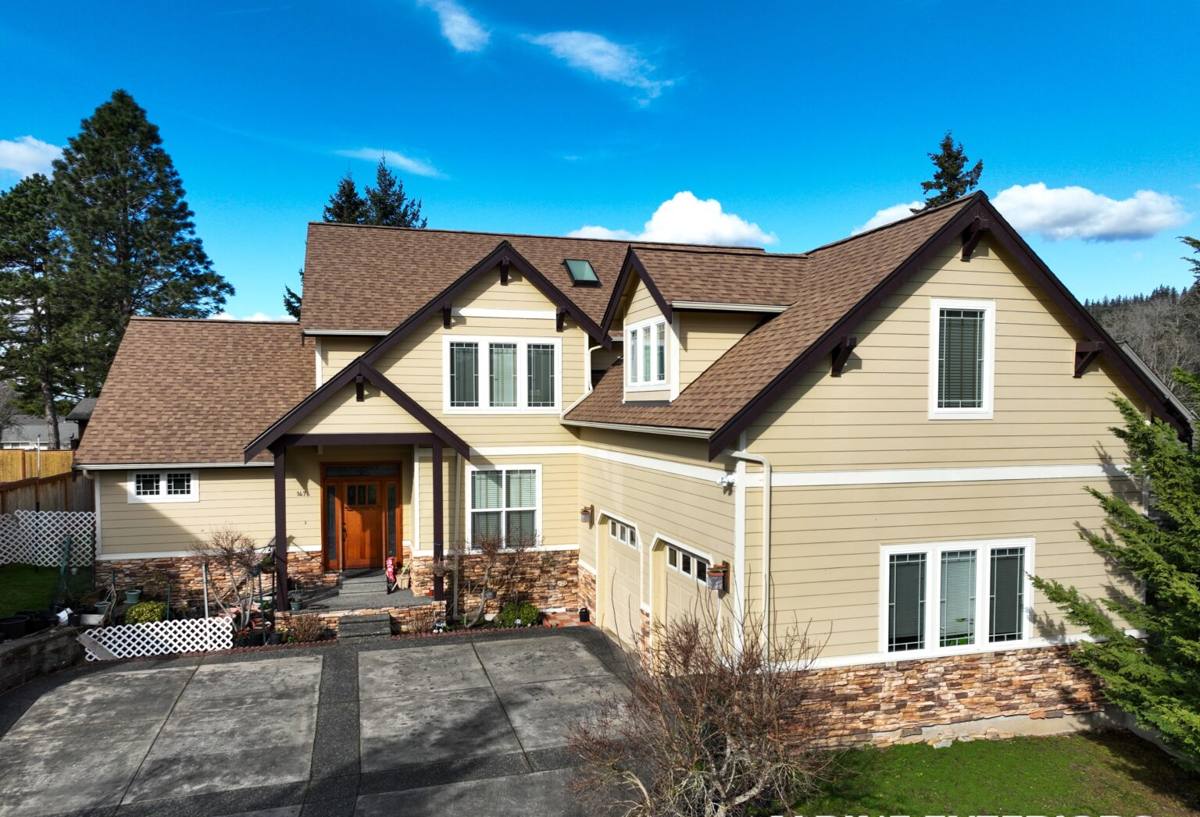
Signs a Custer Home Is Ready for Window Replacement
Most homeowners don't replace windows because they woke up wanting new ones. They replace them because the old ones are telling them something. In Whatcom County's climate, the tells tend to show up in a specific order:
- Fogging or a milky haze between the panes of double-pane glass (the seal has failed and the gas fill is gone)
- Cold drafts near the frame even when the window is fully latched
- Soft, spongy, or discolored wood at the sill or lower corners
- Moss or dark staining building up on the exterior sill or the siding just below the window
- Condensation forming on the inside of the glass during cold snaps
- Windows that stick, won't latch flush, or have started to sag in the frame
- A noticeable jump in heating costs without any other explanation
Any one of these can be a minor fix. Several showing up together, especially moss or staining paired with soft wood, usually means water has been getting behind the window for a while and the frame itself is starting to go.
What a Correct Window Replacement Actually Involves
Swapping the glass and sash for something newer is the easy part. The part that determines whether the window lasts is everything around it — and in a marine climate, this is where jobs succeed or fail.
Sill Pan Flashing
Every window opening needs a sloped, sealed pan at the sill so any water that does get past the window has somewhere to go besides straight down into the wall framing. Skipping this step is one of the most common shortcuts in the trade, and it's invisible once the trim goes back on — which is exactly why it matters who's doing the work.
Integration With the Siding
Because we're a siding company first, we look at window replacement as part of the whole exterior envelope, not an isolated swap. Flashing has to shingle-lap correctly with the house wrap and the siding above and below it, so water moving down the wall is directed out and over the window, never into it. A window installed correctly but flashed poorly into old or mismatched siding will still leak.
Insulation and Air Sealing
The gap between the new frame and the rough opening needs to be filled with a proper low-expansion foam or backer rod and sealant — not just caulked over. Gaps here are a direct path for both drafts and moisture, and in a wet climate a poorly sealed gap can trap water against the framing where it won't dry out.
Weep Holes and Drainage
Modern window frames are designed to let a small amount of incidental water drain back out through weep holes. These need to stay clear and unobstructed by caulk, insulation, or new trim — a detail that's easy to bury by accident during install.
Choosing a Frame Material for Salt Air and Driving Rain
Frame material matters more here than in a drier climate, because the frame is fighting moisture and salt exposure on top of normal UV and temperature cycling. There's no single right answer for every home, but the trade-offs are worth understanding.
| Frame Material | Moisture & Salt Air Tolerance | Maintenance | Typical Lifespan Here |
|---|---|---|---|
| Vinyl | Good — won't rot or corrode; seams are the main weak point | Low — occasional cleaning | 20-30 years |
| Fiberglass | Very good — dimensionally stable, resists warping in wet/dry cycles | Low | 30-40+ years |
| Wood (unclad) | Poor unless meticulously maintained — prone to rot in this climate | High — regular repainting/sealing | Highly variable |
| Aluminum-clad wood | Good exterior protection, but cladding seams need attention | Moderate | 25-35 years |
For most Custer homes, we steer people toward vinyl or fiberglass for the exterior-facing performance, reserving wood or clad-wood for homes where the look is a priority and the owner understands the upkeep. We'll say plainly when a product isn't a good fit for this climate rather than sell whatever's easiest to install — a window that looks right for five years and then fails at the sill isn't a good deal at any price.
Glass and Energy Performance for This Climate
Whatcom County's winters aren't brutally cold, but the damp cold combined with wind off the water makes drafts and cold-glass discomfort noticeable inside the house. A few performance factors matter more here than the marketing brochures let on:
- U-factor — measures heat loss through the window; lower is better for our winters
- Condensation resistance — a rating that reflects how well the glass and frame resist interior fogging during cold, damp spells, which matters a lot in a marine climate
- Air infiltration rating — lower numbers mean less whistling and drafting during wind events off the water
- Argon or krypton gas fill — improves insulation value between panes, though the benefit fades over decades as seals age
Solar heat gain is a smaller concern here than in sunnier climates, so we don't push it as hard as U-factor and condensation resistance when helping a homeowner pick glass packages.
Our Window Replacement Process
The process is straightforward, but we don't shortcut steps just to move faster:
- On-site assessment of existing windows, framing condition, and any signs of past water intrusion
- Honest discussion of full-frame replacement versus insert replacement, based on what we find in the opening
- Frame material and glass package selection, matched to the home and budget — no upselling products that don't fit
- Careful removal of old windows with attention to what the framing and sheathing look like underneath
- Sill pan flashing installed or corrected, insulation and air sealing done properly, new window set plumb and level
- Flashing integrated with the existing or new siding so water sheds correctly above and around the opening
- Interior and exterior trim finished, weep holes checked clear, and a final walkthrough with the homeowner
We also schedule around the weather where we can. Window openings are exposed to the elements for at least part of a day during replacement, and in a climate that sees driving rain much of the year, timing and job-site prep matter as much as the install itself.
Full-Frame vs. Insert Replacement
An insert (or "pocket") replacement keeps the existing frame in place and fits a new window unit inside it — faster and less invasive, but only appropriate when that existing frame is still sound and properly flashed. A full-frame replacement removes everything down to the rough opening, which costs more and takes longer but is the only honest option when there's rot, poor original flashing, or water damage in the framing. We'll tell you which one your windows actually need, not just which one is quicker for us.
Why Hiring a Crew That Already Works Custer Matters
Window replacement mistakes in this climate don't usually show up right away — they show up two or three wet seasons later, as soft trim, stained siding, or mold behind a wall. A crew that works Custer and the surrounding Birch Bay area regularly has already seen what a marine climate does to a bad flashing job, and builds around that instead of learning it the hard way on your house.
That local experience also means we're not guessing at material choices. We know which frame materials hold up to the salt air coming off the water, which glass packages actually cut down on winter condensation instead of just looking good on a spec sheet, and how to sequence a job so it isn't sitting open during the next rain system moving through Whatcom County.
What This Means for Your Home
If your windows in Custer are fogging, drafting, or showing soft wood or moss at the sill, it's worth getting them looked at before another wet season adds to the damage. A correct replacement — proper flashing, sound frame material, and clean integration with your siding — is what actually keeps water out for the long haul, not just new glass in an old, leaky opening.
We're happy to take a look and give you a straightforward, no-pressure estimate on what your home actually needs. There's a form below — reach out and we'll get you scheduled.