 Birch Bay Siding
 Siding Repair in Terrell Creek: A Different Kind of Wear
Terrell Creek sits close enough to Birch Bay and the Strait of Georgia that homes here take on a specific combination of punishment: salt-laden air moving in off the water, long stretches of driving rain through fall and winter, and a moss season that can run most of the year in the shadier, tree-lined lots. None of that damage shows up overnight. It shows up as a soft spot behind a downspout, a paint line that keeps failing in the same corner, or a patch of siding that looks fine from the street but feels wrong when you press on it. Siding repair in this part of Whatcom County is rarely about one obvious problem — it's usually about finding where moisture has been quietly working for a season or two before anyone noticed.
This page is about repair specifically — not full re-siding — for homes in and around Terrell Creek. If your siding is fundamentally sound and you're dealing with localized damage, deteriorated boards, or moisture intrusion in specific areas, repair is often the right call. Knowing what a correct repair looks like, and what corners get cut when it isn't, is the difference between a fix that lasts and one you're paying for again in three years.
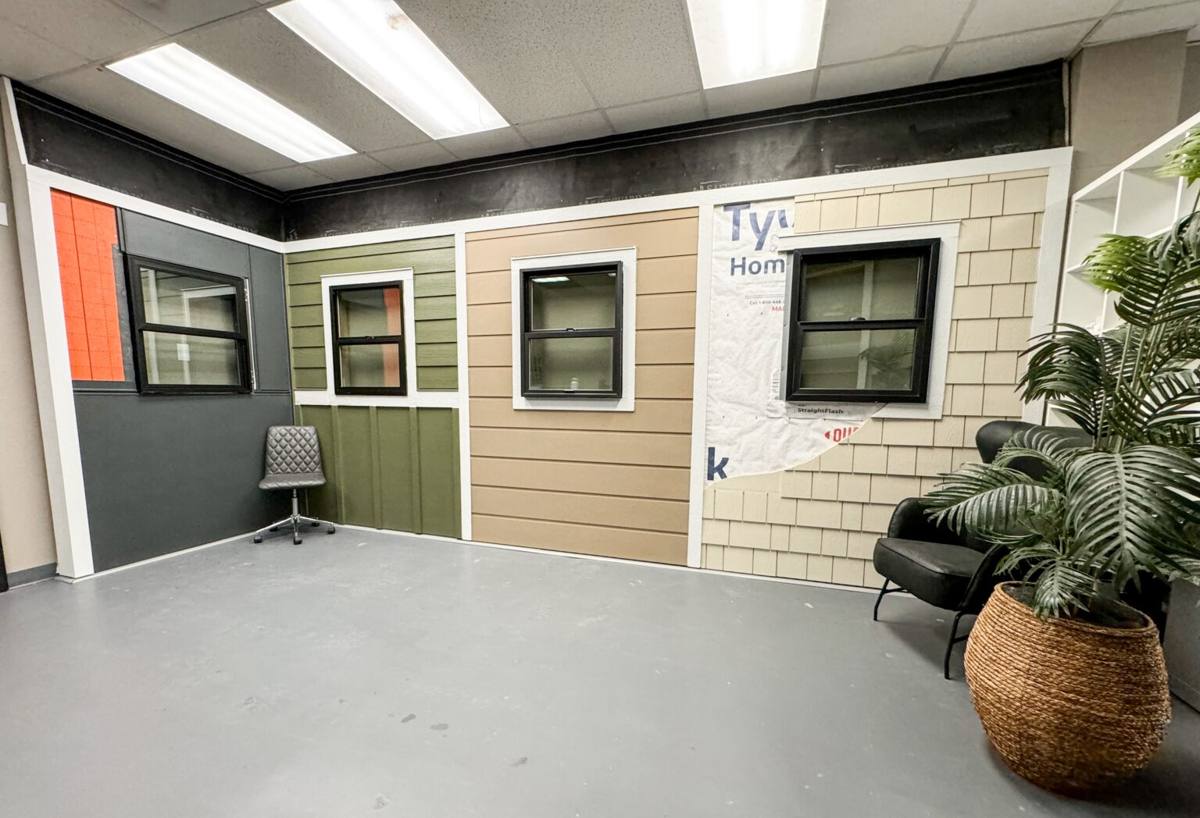
What Makes Terrell Creek Siding Wear the Way It Does
Salt Air
Proximity to Birch Bay's shoreline means airborne salt settles on siding, trim, and fasteners even on homes that aren't waterfront. Salt accelerates corrosion in exposed metal fasteners and flashing, and it can degrade certain paint and coating systems faster than inland exposure would. Siding that looks chalky or has an unusual amount of fastener staining is often telling you exactly what's been landing on it for years.
Driving Rain
Wind-driven rain off the water doesn't just wet the surface of a wall — it pushes moisture sideways, into laps, seams, and any gap where flashing or caulking has failed. Vertical surfaces that face the prevailing weather take the brunt of it, which is why repair needs often cluster on one or two sides of a house rather than showing up evenly.
Moss and Shade
Terrell Creek's tree cover keeps a lot of siding in shade for large parts of the day, which means surfaces stay damp longer after rain and moss gets a real foothold — on siding itself, but especially in roof valleys, gutters, and anywhere organic debris collects against a wall. Moss and trapped debris hold moisture against siding far longer than open air exposure would, which is a major driver of hidden rot behind otherwise normal-looking boards.
Individually, none of these are exotic problems. Together, over years, in this specific stretch of Whatcom County, they add up to a predictable pattern of where and how siding fails — and that pattern is exactly what an experienced local crew is looking for during an inspection.
Signs Your Terrell Creek Home Needs Siding Repair
- Soft or spongy siding when pressed, especially near the bottom courses or under windows
- Visible gaps, cracks, or separated seams at butt joints and corners
- Paint or finish that's peeling, bubbling, or failing in the same spot repeatedly
- Dark staining, streaking, or a musty smell near exterior walls, especially at interior-facing rooms
- Moss or persistent green growth directly on siding surfaces or trim
- Rusted, popped, or missing fasteners, particularly on the weather-facing side of the house
- Warping, buckling, or visible waviness along a wall plane
- Gaps or gaps that have opened up around window and door trim
Any one of these can be a minor fix. Several together, or any sign paired with softness underneath, usually means moisture has already gotten past the surface and the repair needs to address what's happening behind the siding, not just what's visible on it.
What a Correct Repair Actually Involves
A lot of "siding repair" in this region amounts to caulking a gap or swapping a visibly cracked board and calling it done. That approach treats the symptom and leaves the cause in place — which, given how much moisture this area sees, usually means the same spot fails again within a season or two. A repair done right follows a different sequence:
1. Find the Actual Source
Damaged siding is often a downstream symptom of a flashing failure, a gutter that's overflowing onto the wall, a sealant joint that's cracked open, or grading that's pushing water back toward the foundation and up the wall. Replacing the board without fixing the source guarantees a repeat visit.
2. Check What's Behind the Siding
Once boards are pulled, the housewrap or building paper, sheathing, and any framing in the affected area need to be checked for rot or saturation. Siding can look fine on the surface while the sheathing behind it is compromised — this is where a repair either gets done properly or gets papered over.
3. Match Material and Method Correctly
Repairs need to tie into the existing siding with the right overlap, fastening pattern, and gaps for expansion — not just wedged into place. On fiber cement in particular, cut edges need to be sealed and primed per the manufacturer's requirements, or that cut edge becomes the next failure point.
4. Address the Cause, Not Just the Spot
If the real problem was a flashing detail, a gutter, or a sealant failure, that gets corrected as part of the job — otherwise the new material is sitting in the same conditions that damaged the old material.
5. Finish to Match
Color and sheen matching matters more than people expect, especially on ColorPlus-finished fiber cement where the factory finish is more consistent and more durable than field-applied paint. A patch that doesn't match reads as a patch forever; one done with the right materials and technique should blend in.
Repair or Replace? What Actually Drives That Decision
| Factor | Leans Toward Repair | Leans Toward Replacement |
|---|---|---|
| Extent of damage | Isolated to one or two areas | Recurring in multiple spots across the house |
| Underlying structure | Sheathing and framing sound once opened up | Widespread rot found behind siding |
| Siding material | Original material still performing well overall | Older wood, LP, or degraded product nearing end of life |
| Age of siding | Well within expected service life | Already past or near the end of its practical lifespan |
| Cause of damage | One-time or fixable source (a leak, a failed sealant joint) | Systemic issue like chronic moisture exposure or original installation defects |
An honest inspection should tell you which column your house falls into — and a contractor who only offers one service isn't the one to trust for that answer. We do both, and we'll tell you plainly which one your home actually needs.
Why We Only Repair With and Recommend James Hardie Fiber Cement
When repair work calls for new material — whether it's a few boards or a section of wall — we use James Hardie fiber cement, and we don't install vinyl, LP SmartSide, Cemplank, Allura, or unfinished wood siding on any home we work on. In an area dealing with salt air, driving rain, and constant moss pressure, that choice matters for a repair specifically:
- Non-combustible and dimensionally stable — Hardie fiber cement doesn't expand and contract with moisture the way wood-based products can, which keeps repaired seams and joints tighter over time.
- ColorPlus factory finish — a factory-applied, baked-on finish holds color and resists fading and moisture intrusion better than field-applied paint, which matters when you're trying to match a repair to existing siding years later.
- HZ5 product engineering — Hardie's HZ5 line is built for the Pacific Northwest's wet-climate conditions, which lines up directly with what Terrell Creek homes are exposed to.
- Moisture and moss resistance — fiber cement doesn't feed moss or fungal growth the way wood-based siding can, which is a real factor in a shaded, damp neighborhood like this one.
We're not going to pretend other products don't have their fans or their price advantages. We simply won't put our name on a repair using a product we don't believe holds up to this climate long-term — and Hardie is the one that does.
Our Repair Process for Terrell Creek Homes
- Inspection. We walk the exterior, check the areas you've flagged, and look for the patterns this climate typically produces — flashing, gutters, grading, moss buildup, and shaded, slow-drying wall sections.
- Diagnosis. We open up affected areas enough to see what's actually happening behind the siding before quoting anything, so the estimate reflects the real scope, not a guess.
- Honest scope. You get a clear explanation of what needs fixing, what caused it, and whether repair or a larger scope of work makes sense — no upsell, no downplaying.
- Correct repair. Source of the moisture addressed, sheathing repaired or confirmed sound, new Hardie material installed to manufacturer spec, finish matched.
- Walkthrough. We show you what was found and what was done, including anything worth keeping an eye on going forward.
Why a Crew That Already Works Terrell Creek Matters
Siding repair is a trade where local pattern recognition genuinely saves you money. A crew that's worked this neighborhood knows which wall orientations take the worst of the wind-driven rain, how much moss pressure to expect on shaded lots, and where houses of a certain age and construction style tend to have flashing details that don't hold up. That knowledge shortens the diagnosis phase and reduces the chance of missing a secondary problem while fixing the obvious one.
It also means accountability. A contractor with an ongoing presence in Whatcom County isn't disappearing after the invoice clears — if something about the repair doesn't hold up the way it should, you're calling a business that's still local and still reachable, not chasing down a crew that worked the area for one season and moved on.
Before You Hire: A Quick Checklist
- Do they inspect and diagnose before quoting, or just quote off a phone description?
- Will they show you what's found behind the siding once it's opened up?
- Do they address the moisture source, not just replace the damaged board?
- What material are they proposing, and why — is it matched to this climate?
- Do they have real experience with homes in this specific area, not just the region broadly?
- Is the finish and color match part of the plan, or an afterthought?
If a repair estimate skips straight to a price without any of the above, that's worth asking about before you sign anything.
If you're seeing soft spots, staining, moss, or failing seams on your Terrell Creek home, we're happy to take a look and give you a straight answer about what's going on and what it'll take to fix it right. The estimate is free, there's no pressure to move forward, and you'll know exactly what you're dealing with either way — just fill out the form below.