 Birch Bay Siding
 Windows Built for Ferndale's Coastal Climate
Ferndale sits close enough to the water that homes here deal with a different set of window problems than houses further inland. Salt-laden air off the Strait, wind-driven rain that comes in sideways during winter storms, and a long stretch of the year when moss, algae, and general dampness sit on every north-facing surface — all of that works on window frames, seals, and hardware in ways that a generic "energy-efficient window" sales pitch doesn't really address. A window that's rated well for energy performance on paper can still fail early here if it isn't built and installed with this specific climate in mind.
We work on homes throughout Ferndale and the surrounding Birch Bay area regularly, so we're not guessing at what holds up. This page covers what actually matters for window performance and longevity in this part of Whatcom County, what a correct installation looks like, and how we approach the job.
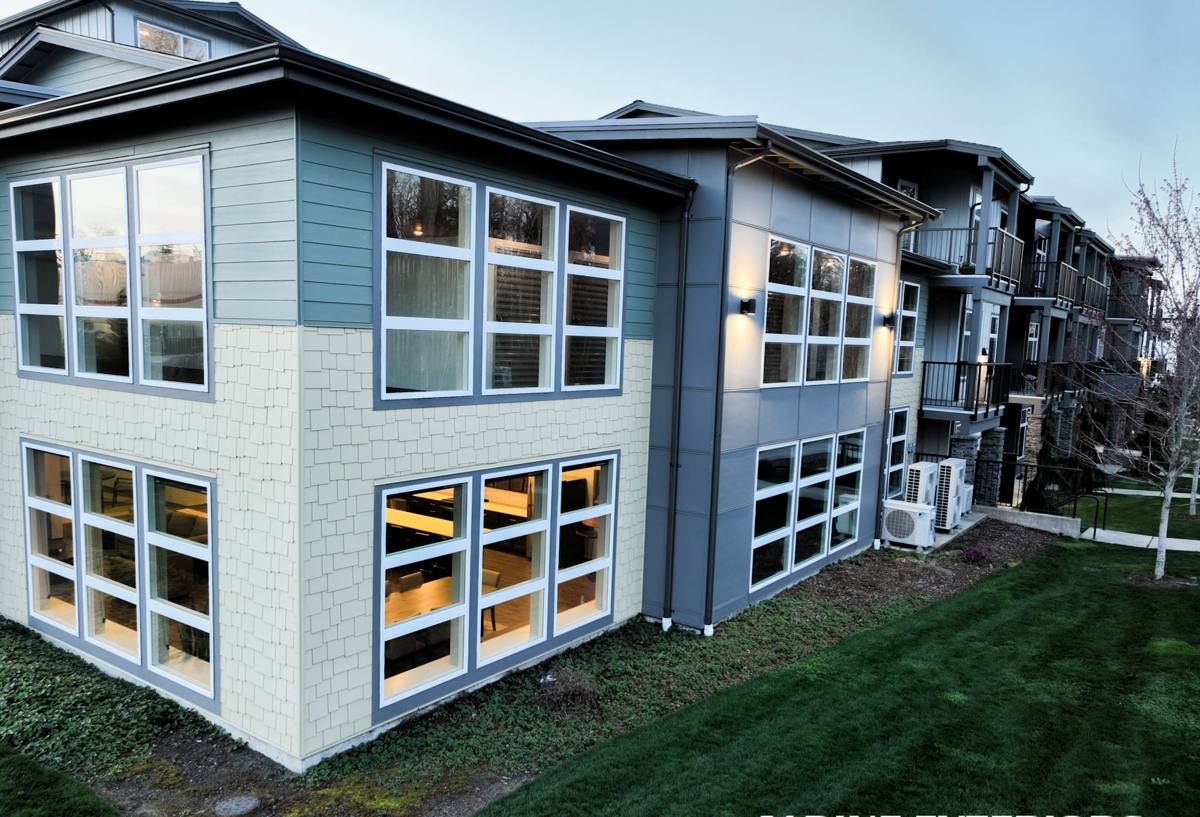
What Salt Air, Rain, and Moss Actually Do to Windows
Salt Air and Hardware
Salt in the air accelerates corrosion on anything metal — hinges, locks, balance systems, and screws. Cheaper hardware and unprotected fasteners can start pitting or seizing years before they would inland. This doesn't ruin a window overnight, but it shows up as windows that get harder to open, locks that stick, and streaking around hardware points.
Driving Rain and Water Intrusion
Storms here don't always come straight down. Wind-driven rain pushes water sideways against the wall, and if flashing, sealant, or the window's own drainage path isn't done correctly, water finds its way behind the trim and into the wall cavity. This is usually the real cause of soft trim, staining below a window, or a musty smell in a room — not the glass itself.
Moss, Algae, and Prolonged Dampness
Whatcom County's long wet season means anything that stays damp for weeks at a time will eventually grow something on it. Window sills, sashes, and the trim around a window are exposed to this constantly on shaded or north-facing walls. Materials and finishes that dry out slowly are more prone to this buildup, and repeated dampness is also what accelerates rot in wood components over time.
What "Energy-Efficient" Actually Means
The term gets used loosely, but a few real factors determine how a window actually performs — for comfort, for your heating bill, and for how well it holds up to our weather.
- U-factor — how well the window resists heat transfer. Lower is better for our climate, where you're heating more months than cooling.
- Glass package — double-pane with a low-E coating and an inert gas fill (usually argon) is the practical standard here; triple-pane adds performance but at added cost and weight.
- Frame material — affects both insulation value and how the window handles moisture and salt exposure over the years.
- Air infiltration rating — how tight the window is against drafts, which matters as much for comfort as raw glass performance.
- Installation quality — even a top-rated window underperforms if it isn't flashed, sealed, and shimmed correctly. This is where most window "failures" actually start.
Frame Material Comparison for a Coastal Climate
There's no single "best" frame material for every home — it depends on your budget, your home's style, and how much upkeep you want to take on. Here's how the common options compare specifically for salt-air, high-rain conditions:
| Frame Type | Moisture & Salt Air Behavior | Maintenance | Typical Trade-offs |
|---|---|---|---|
| Vinyl | Doesn't rot or corrode; performs well in salt air | Low — occasional cleaning | Limited color options; can flex on very large openings |
| Fiberglass | Very stable, resists moisture and expansion/contraction well | Low | Higher upfront cost than vinyl |
| Wood-clad | Good if cladding and seals stay intact; exposed wood parts are vulnerable | Higher — needs monitoring of seals and any exposed wood | Best interior appearance for some homeowners; more sensitive to installation quality |
| Aluminum | Conducts heat/cold poorly (weak energy performance); can pit over time in salt air unless well-finished | Moderate | Slim sightlines but generally not our first recommendation for energy performance here |
For most Ferndale homes, we lean toward vinyl or fiberglass because they hold up to salt air and moisture with the least ongoing maintenance. We'll still install what fits your home and budget — this is about giving you the honest trade-offs, not steering everyone to one product.
What a Correct Installation Involves
The window unit itself is maybe half the story. The other half is how it's flashed, sealed, and integrated with your siding and wall assembly — and this is the part that determines whether wind-driven rain stays out.
- Removing the old window fully and inspecting the rough opening and sill for hidden rot or water damage before anything new goes in
- Correct sill pan flashing so any water that does get past the window drains back out, not into the wall
- Properly lapped flashing tape at the sides and head, in the right shingle-style order so water sheds down and out
- Sealing the interior air barrier separately from the exterior water barrier — these do different jobs and shouldn't be treated as one step
- Shimming and fastening so the window operates smoothly and isn't racked out of square, which stresses seals early
- Compatible, weather-rated sealant at the exterior trim — not just any caulk
- Confirming the window's drainage weep paths are clear and functioning before we call the job done
Our Process for a Ferndale Window Project
1. On-Site Assessment
We look at your current windows, the condition of the surrounding trim and wall assembly, and how exposed the wall is to prevailing wind and rain. This tells us if we're dealing with a straightforward replacement or if there's water damage to address first.
2. Product Selection
We walk through frame material, glass package, and style options against your budget and priorities — energy performance, low maintenance, or matching existing trim lines. No pressure toward the most expensive option; we'll tell you honestly what fits your situation.
3. Installation
Old units come out, the opening gets inspected and repaired if needed, and the new window goes in following the flashing and sealing sequence above. We don't skip steps to save time, because skipped steps are exactly what causes leaks two winters later.
4. Final Check and Cleanup
We test operation, check seals, and clean up the work area before we consider the job finished. If something needs a follow-up visit, we schedule it.
Signs Your Ferndale Home's Windows Need Attention
- Visible fogging or moisture between panes — the seal has failed and the insulating gas is gone
- Drafts you can feel near the frame even when the window is fully closed and locked
- Soft or discolored trim or drywall below or around a window
- Windows that are hard to open, close, or lock — often a sign of hardware corrosion or a frame that's swelled or shifted
- Visible moss or persistent green growth on sills or trim that keeps coming back after cleaning
- Noticeably higher heating costs without another clear explanation
Why a Crew That Already Works in Ferndale Matters
Window installation isn't identical everywhere. A crew used to working in a dry inland climate can do a technically fine job that still isn't set up for the amount of wind-driven rain and sustained dampness Whatcom County homes see. We work on homes in Ferndale and around Birch Bay regularly, so the flashing details, sealant choices, and material recommendations above aren't theoretical for us — they're what we do every week on homes exposed to the same weather yours is.
That local familiarity also means we're not learning your home's typical wall assemblies and trim details for the first time on your job. We know what tends to show up when we open an old window opening in this area, and we plan for it instead of getting surprised by it mid-project.
Maintenance That Extends Window Life Here
Even a well-installed, high-quality window benefits from a little seasonal attention in this climate:
- Rinse salt residue and grime off frames and glass a couple of times a year, especially on wind-exposed walls
- Keep weep holes and drainage tracks clear of debris and moss so water can actually drain
- Check exterior caulking annually for cracking or separation and have it addressed before it becomes a leak path
- Operate hardware periodically through the wetter months so hinges and locks don't seize up from disuse combined with moisture
If you're weighing whether it's time to replace aging windows or want a straight answer on what's actually causing a draft or a leak, we're happy to take a look. Request a free, no-pressure estimate using the form below and we'll walk your home's specific situation with you.