 Birch Bay Siding
 Deck Repair Built for the Terrell Creek Climate
Homes along the Terrell Creek corridor near Birch Bay sit in one of the wetter, damper pockets of Whatcom County. The creek drainage keeps the water table high through much of the year, salt air rolls in off the bay, and moss season here runs longer than most homeowners expect. Decks take the brunt of all three. A structure that would hold up fine in a drier inland town can develop rot, rust, and soft spots years earlier out here if it wasn't built or maintained with this exact climate in mind.
We repair decks for homeowners throughout the Birch Bay area, including the low-lying ground around Terrell Creek. This page is about that one job — deck repair, in this one area — because the fix that's right for a dry, sun-exposed deck in another part of the county often isn't the right fix here.
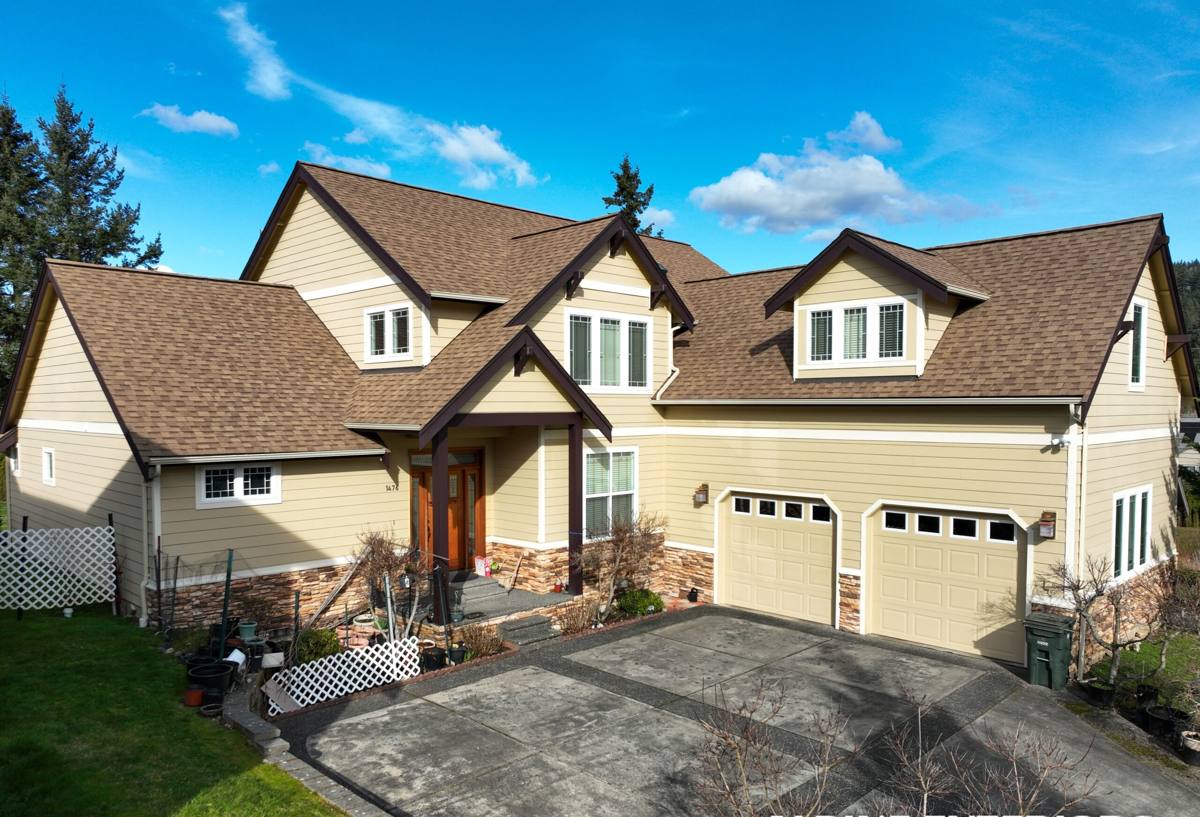
Why Decks Near Terrell Creek Wear Differently
Salt Air
Proximity to Birch Bay means airborne salt settles on everything, including your deck. Salt speeds up corrosion in fasteners, joist hangers, and any exposed metal hardware. A deck built with standard interior-grade screws or nails will show rust bleed and weakened connections well before the wood itself fails.
Driving Rain
Wind off the water pushes rain sideways under railings, into ledger board connections, and behind fascia trim — areas that a straight-down rain would never reach. This is why so much deck rot in this area starts at the house connection rather than out in the open field of the decking boards.
Low-Lying, Damp Ground
Because of the creek drainage, many yards in this area hold moisture longer after a storm than yards on higher ground elsewhere in Birch Bay. Deck posts, footings, and the underside of low decks sit in that dampness for extended stretches, which accelerates rot in untreated or poorly ventilated framing.
Extended Moss Season
Shade, moisture, and mild temperatures let moss and algae establish on deck boards and railings for much of the year, not just a few winter months. Beyond looking bad, moss holds water against the wood surface and turns boards slick and dangerous underfoot.
Signs Your Deck Needs Repair
Most deck problems in this area show up gradually. Catching them early is the difference between a repair bill and a full rebuild.
- Soft, spongy, or springy spots when you walk across the deck
- Rust streaks running down from screws, nails, or metal connectors
- Gaps opening up where the ledger board meets the house
- Railings or posts that wobble or flex under light pressure
- Persistent green or black staining that doesn't clear with cleaning
- Boards that feel damp or cool days after the rain has stopped
- Visible daylight or separation between deck boards and joists
- A musty smell coming from underneath the deck
Any one of these on its own might be minor. Two or three together usually mean moisture has been working on the structure for a while and it's worth a real inspection rather than a surface patch.
What a Correct Deck Repair Actually Involves
A repair that only replaces the boards you can see is a temporary fix if the framing underneath is compromised. We look at the whole system, not just the surface.
Structural Framing
Joists, beams, and posts are the part of the deck doing the real work. If these are soft or rotted, cosmetic repairs on top of them won't hold. We check for rot at joist ends, under railing posts, and anywhere framing meets concrete or grade.
The Ledger Board Connection
This is where the deck attaches to your house, and it's the single most common failure point we find in this climate. Water gets behind poorly flashed ledger boards and rots both the ledger and the rim joist of the house itself. A proper repair here means removing decking, checking flashing, and rebuilding the connection so water sheds away from the house instead of into it.
Fasteners and Hardware
Given the salt air, we don't reuse corroding hardware just to save a step. Structural connections get corrosion-resistant fasteners and joist hangers rated for exterior, coastal-adjacent use, not the standard interior-grade hardware that shows up in a lot of older or budget builds.
Decking Surface
Individual board replacement, re-fastening loose boards, and addressing moss and staining come last, after we know the structure underneath is sound. Replacing boards over a compromised frame just hides the real problem.
Repair vs. Replacement: How We Help You Decide
Not every deck with problems needs to come down. But not every deck is worth patching, either. Here's how we generally think about it.
| Factor | Leans Toward Repair | Leans Toward Replacement |
|---|---|---|
| Structural framing | Solid, dry, no soft spots | Rot at multiple joists, posts, or beams |
| Ledger board | Sound connection, minor flashing fix needed | Rotted ledger or rim joist behind it |
| Age of deck | Newer or mid-life, isolated issue | Original build is decades old with recurring problems |
| Extent of damage | Localized to one area or a few boards | Rot, rust, or staining spread across the structure |
| Code and railing standards | Meets current railing and attachment code | Undersized framing or non-compliant railings throughout |
We'll walk the deck with you, point out exactly what we find, and give you a straight answer on which side of that line your deck falls on — including when repair is genuinely the right call and a full rebuild would be overkill.
Our Deck Repair Process
- On-site inspection. We check framing, the ledger connection, fasteners, and the decking surface, including probing suspect areas for soft wood.
- Written scope and estimate. You get a clear explanation of what's failing, why, and what it takes to fix it correctly — no vague line items.
- Demo of the affected area. We remove only what needs to come out, exposing framing so nothing is repaired blind.
- Structural repair. Rotted framing, ledger connections, and hardware get rebuilt to hold up under this area's rain and moisture load, not just to pass a quick look.
- Decking and finish work. Boards, railings, and fasteners go back in matched as closely as possible to your existing deck, or upgraded if you want to address the root problem for good.
- Final walkthrough. We show you what was done and what to watch for going forward.
Materials We Use, and Why
Homeowners near Terrell Creek often ask whether to repair with the same wood species or switch materials during the repair. There's no universal right answer — it depends on the deck, the budget, and how much upkeep you want going forward.
Pressure-Treated and Cedar Framing
For structural repairs, we use pressure-treated lumber rated for ground contact where posts and framing sit low or near damp soil. It costs more than standard treated lumber but is built for exactly the moisture exposure this area produces.
Wood vs. Composite Decking
Wood decking is less expensive upfront and repairs board-by-board easily, but it needs regular cleaning and refinishing to resist moss and moisture staining in this climate. Composite decking costs more initially and resists moss and rot better, but individual boards can be harder to source and match years later if only a repair is needed rather than a full deck. We'll walk you through the maintenance trade-offs for your specific situation rather than push one material as universally better.
Fastener Standard
Every structural fastener and hanger we install on a repair is chosen for corrosion resistance given the salt air off Birch Bay. This is a standard we hold ourselves to on every job here, not an upsell.
Living With a Deck in This Climate
Even a well-repaired deck needs some ongoing attention in a place with this much rain and this long a moss season. A little maintenance goes a long way toward avoiding another repair call in a few years.
- Sweep debris and standing water off the deck surface regularly, especially in fall
- Clean moss and algae off boards and railings before they build up a slick layer
- Keep gutters and downspouts clear so runoff isn't dumping directly onto or under the deck
- Check the ledger board area yearly for gaps, staining, or soft caulking
- Trim back vegetation that keeps the deck surface shaded and damp
- Re-seal or re-stain wood decking on the schedule your finish product recommends, not just when it looks faded
Why a Crew That Works Terrell Creek Matters
A deck repair contractor working from a generic playbook may not account for how much longer moisture sits in this area's ground, how far salt air travels inland from Birch Bay, or how much rot damage tends to concentrate at the ledger board versus out in the field of a deck. We work on homes throughout Whatcom County's coastal areas and see the same failure patterns repeat in this specific climate. That's what shapes how we inspect, what we flag as urgent versus cosmetic, and what materials and fasteners we recommend for a repair that's actually built to last here — not just to look fixed for a season.
If your deck near Terrell Creek has soft spots, rust stains, a wobbly railing, or just feels like it's due for an honest look, we're happy to come take a look. Fill out the form below for a free, no-pressure estimate — we'll tell you plainly what we find and what it would take to fix it right.