 Birch Bay Siding
 Roof Repair for Sumas Homes
Not every roof problem in Sumas calls for a full replacement, and a contractor who's honest with you will tell you that upfront. Most of the leaks, soft spots, and shingle damage we see on homes in this part of Whatcom County are fixable — but only if the repair is diagnosed correctly and built to hold up against the same conditions that caused the damage in the first place. Salt air, driving rain, and a long moss season don't just wear a roof down over time; they punish a sloppy or partial repair faster than they punish a well-built one. That's the difference this page is about.
This is a service-specific page, not a general roofing overview. It covers what roof repair actually means for a home in Sumas, what a correct repair job involves from diagnosis to final check, what it tends to cost and why, and why it matters to hire a crew that already works in this area rather than one passing through.
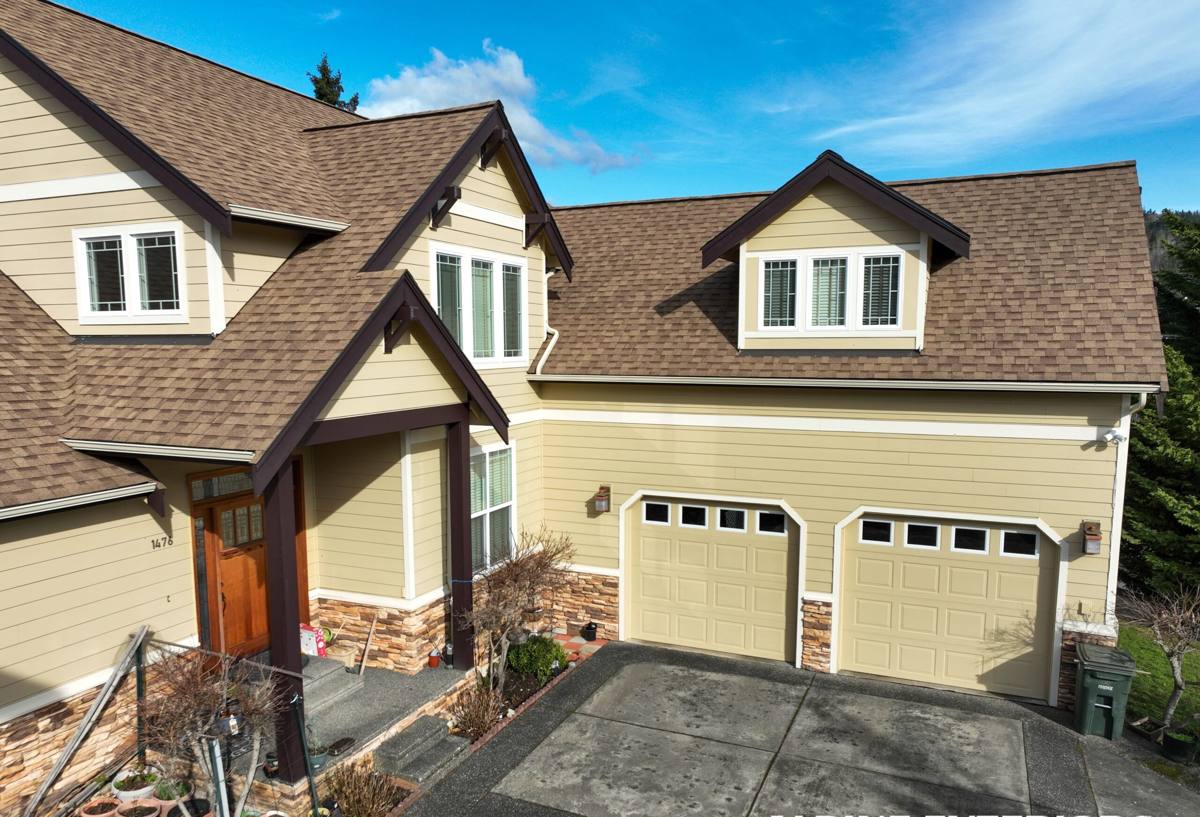
Why Roof Repair Here Is Different From a Generic Fix
A roof repair done the same way regardless of location is a repair that's guessing. In this part of Whatcom County, moisture is the constant threat, and it doesn't always attack a roof head-on. Salt-tinged air moving inland corrodes exposed fasteners and lower-grade flashing metal gradually, weakening the very details that are supposed to stop leaks — often years before a stain ever shows up on a ceiling. Rain here is frequently wind-driven rather than falling straight down, which means it can work its way sideways and upward under shingle edges and around penetrations in a way that a fair-weather repair never anticipates. And shaded or north-facing roof planes hold onto moisture long enough during the region's long wet season for moss to take hold, which traps water against the roofing material and accelerates decay from below the surface.
A repair that only patches the visible symptom — replacing a shingle, dabbing sealant on a crack — without addressing what let water in to begin with is a repair that fails again, usually within a season or two. A correct repair addresses the underlying cause, not just what's visible from the ground.
Common Roof Repair Issues We See in Sumas
Flashing Failures
Flashing around chimneys, skylights, vent pipes, and wall-to-roof transitions is where most leaks actually start, even though homeowners often assume the shingles themselves are the problem. Corroded, improperly lapped, or caulk-dependent flashing lets water in at a single point that can travel and show up as a stain far from where the actual entry point is.
Moss and Algae Damage
Moss doesn't just look bad — it holds water against the roofing surface and works its root structure under shingle tabs and granules, lifting edges and creating channels for water to follow. Left untreated through a full wet season, what starts as a cosmetic issue becomes a structural one.
Wind and Storm Damage
Lifted, cracked, or missing shingles after a windstorm are common, and they're often more urgent than they look, because a single exposed spot is enough to let sustained rain into the deck underneath.
Aging and Granule Loss
Shingles nearing the end of their service life shed granules and lose their ability to shed water efficiently. On an otherwise sound roof, replacing worn sections can buy real years of life without the cost of a full tear-off.
Deck and Underlayment Damage
Long-term leaks that go unnoticed can soften the plywood or OSB decking underneath the shingles. This is the kind of damage that turns a simple patch into a larger repair, which is exactly why an honest inspection matters before any work starts.
Repair or Replace? How We Make That Call
Homeowners deserve a straight answer here, not a sales pitch toward the bigger job. The right call usually comes down to how much of the roof is affected, how sound the decking underneath is, and how much useful life is left in the existing roofing material.
| Situation | Repair Usually Makes Sense | Replacement Usually Makes Sense |
|---|---|---|
| Roof age | Well within its expected service life | Near or past the end of its rated lifespan |
| Damage extent | Isolated to one section, flashing point, or penetration | Widespread across multiple roof planes |
| Decking condition | Solid, no rot found on inspection | Soft spots or rot found in more than one area |
| Leak history | First occurrence, clear single cause | Recurring leaks in different spots over time |
| Granule loss | Localized to a few shingles | Widespread thinning across the whole roof |
We inspect first and recommend second. If a repair genuinely solves the problem and gets you years of reliable service, that's what we'll tell you — a roof that doesn't need replacing yet is not a job we manufacture.
What a Correct Roof Repair Actually Involves
Finding the Real Source of the Leak
Water often travels along rafters or underlayment before it ever shows up as a stain, which means the visible damage inside the house is rarely directly above the actual entry point. A correct repair starts with tracing the path of the water, not just patching where the ceiling looks wet.
Matching Materials, Not Just Color
A patch that matches the shingle color but not the profile, weight, or wind rating of the surrounding roof creates a weak point that ages differently than the rest of the roof. We match materials as closely as possible so the repaired section performs the same as everything around it, not just looks the same from the street.
Rebuilding Flashing Properly
When flashing is the source of a leak, we don't caulk over the old metal and call it done. Failed flashing gets removed and rebuilt with correctly lapped, corrosion-resistant metal integrated back into the underlayment, the way it should have been built the first time.
Addressing Underlayment, Not Just the Surface
If underlayment near the repair area is compromised, replacing only the visible shingles without addressing what's underneath leaves the same vulnerability in place. We check and, where needed, replace the underlayment layer as part of the repair, not as a separate job later.
Treating Moss at the Source
Physical moss removal paired with a treatment that discourages regrowth addresses the problem at the surface, but on roof planes that stay shaded for most of the year, we'll also talk through longer-term options like improved airflow or, in some cases, zinc or copper strips, so the same issue doesn't come back every wet season.
Checking Ventilation While We're Up There
A repair crew that's already on the roof is in a good position to check that attic ventilation is balanced. Poor airflow traps moisture against the underside of the deck, which shortens the life of both the existing roof and any repair work done on it.
Our Roof Repair Process
- In-person inspection: We get up on the roof and, where accessible, check the attic from inside — we don't diagnose from photos or a drive-by look.
- Honest diagnosis: We explain what we found, what's causing it, and whether a repair or a larger conversation about replacement makes sense.
- Written estimate: You get a clear scope of work covering exactly what will be repaired and how, not a vague one-line quote.
- Scheduling around weather: Repairs get scheduled with realistic flexibility, since waiting out a wet stretch is sometimes the right call rather than working on a roof that isn't safe or dry enough to do the job correctly.
- The repair itself: Damaged material comes out, the cause gets addressed at the source, and new material goes in matched and properly integrated with what's already there.
- Final walkthrough: We review the completed repair with you and do a site cleanup, including a check for stray fasteners and debris, before we call the job finished.
Cost Factors in Roof Repair
Two repair quotes for what sounds like the same problem can come in far apart, and the difference usually comes down to real scope rather than one contractor cutting corners. Understanding what drives the cost makes it much easier to compare estimates honestly.
| Factor | Why It Matters |
|---|---|
| Size and location of the damaged area | A small, accessible section costs far less than a repair spanning multiple planes or a steep, hard-to-access roof |
| Flashing scope | Rebuilding flashing correctly takes more labor and material than a shingle-only patch |
| Decking condition | Soft or rotted decking found underneath adds material and labor beyond the original visible problem |
| Material matching | Matching an aging roof's shingle profile and color can sometimes require sourcing from a different supplier |
| Moss remediation | Treatment and, where appropriate, preventive measures add a modest cost but reduce the odds of repeat calls |
| Access and roof pitch | Steep or difficult-to-reach roof sections require more time and safety setup |
Ask any contractor to walk you through their estimate line by line before comparing it against another bid. A repair quote that only says "fix leak" tells you almost nothing about what's actually being done.
Signs a Sumas Roof May Need Repair Soon
- Water stains on ceilings or walls, especially ones that appear or worsen after a wind-driven rain event
- Granules building up in gutters, a sign shingles are wearing thinner than they should be at their current age
- Visible moss or dark streaking on shaded or north-facing roof sections
- Curling, cracking, or missing shingles, particularly after a storm
- Daylight visible through the roof deck from inside the attic
- Soft or spongy spots felt when walking the roof, which often point to deck damage underneath
- Rust staining or visibly deteriorated flashing around chimneys, vents, or skylights
Catching any of these early is usually the difference between a straightforward repair and a much larger job once water has had time to work its way into the structure underneath.
A Practical Checklist Before You Hire a Roof Repair Contractor
- Do they physically inspect the roof and attic, rather than quoting from a description over the phone?
- Does the estimate name the actual cause of the leak, not just the visible symptom?
- Is flashing work explicitly included when the diagnosis points to a flashing failure?
- Do they carry current WA contractor licensing, liability insurance, and workers' compensation?
- Can they speak specifically to conditions in Sumas and the surrounding area, not just general roofing advice?
- Does the estimate distinguish a repair warranty from any remaining manufacturer material warranty on the existing roof?
Why Hiring a Crew That Already Works in Sumas Matters
A crew that regularly repairs roofs in and around Sumas has already seen how salt-influenced air corrodes underspecified flashing over time, which roof orientations hold onto moss longest through the wet months, and how wind-driven rain finds its way past a repair that wasn't built with that specific stress in mind. That knowledge shows up in small decisions throughout a repair — which flashing detail to rebuild rather than patch, when a shaded section needs more than a shingle swap — decisions that a crew unfamiliar with this specific part of Whatcom County might not think to make.
It also matters after the work is done. A repair warranty is only useful if the company behind it is still reachable a few years down the road, not a name that did one job in the area and moved on. Choosing a local, established crew means someone will still be there if a question comes up later.
If you're dealing with a leak, storm damage, or a roof that just doesn't look right anymore, we're glad to come take an honest look and give you a straight answer — repair or otherwise. Use the form below to request a free, no-pressure estimate.