 Birch Bay Siding
 Windows Built for the Semiahmoo Coastline
Homes along the Semiahmoo area take a different kind of beating than houses ten miles inland. The combination of salt-laden air off the water, wind-driven rain that hits window frames sideways instead of straight down, and a moss season that can stretch for most of the year puts real stress on window assemblies. Frames, seals, and hardware that would last decades in a drier climate can start failing years early out here. If you're noticing drafts, fogged glass, or windows that stick when you try to open them, the marine environment is very likely part of the story.
We replace windows for homeowners throughout Birch Bay and the surrounding Whatcom County coastline, including the Semiahmoo area. This page covers what actually goes wrong with windows in this environment, what a correct replacement job looks like, and how we approach the work so it holds up.
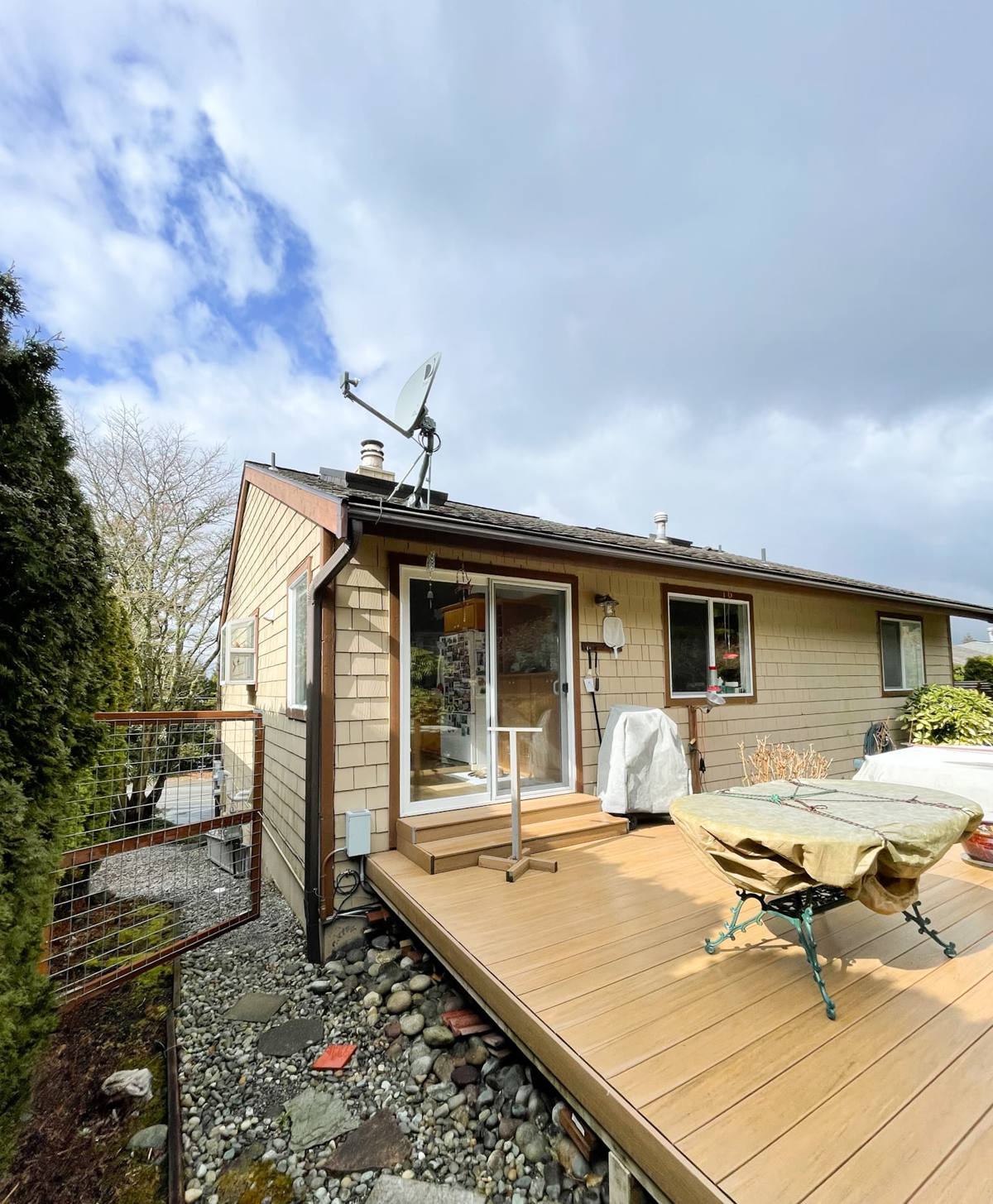
What Salt Air, Rain, and Moss Actually Do to Windows
It helps to understand the specific mechanisms at work, because they point directly to what a good replacement job needs to address.
Salt Air and Metal Hardware
Airborne salt is corrosive to unprotected or lower-grade metal components — hinges, cranks, locks, and screws. Once corrosion starts on hardware, windows get harder to open and close, and eventually the hardware fails outright. Cheaper mill-finish aluminum and low-grade fasteners are especially vulnerable near the water; the fix is using corrosion-resistant hardware and fasteners from the start, not waiting to replace parts piecemeal.
Wind-Driven Rain
Rain that's pushed sideways by wind behaves differently than rain falling straight down. It gets forced up under trim, into gaps around the frame, and behind flashing that wasn't lapped correctly. A window can look fine and still be letting water into the wall cavity a little at a time. Over a few winters that shows up as soft trim, stained drywall near the sill, or a musty smell that won't go away.
Moss and Prolonged Moisture
A long moss season means wood trim, sills, and even vinyl cladding stay damp longer between dry spells. Moisture that lingers on wood surfaces accelerates rot at joints and end grain. On window sills and lower sashes — the parts that collect standing water — this is often where failure starts first, especially on older wood-frame windows that weren't sealed or maintained consistently.
Signs a Semiahmoo Home Needs Window Replacement
Not every drafty window needs full replacement — sometimes it's a caulking or weatherstripping fix. But certain signs point to the window assembly itself being past the point of repair.
- Fogging or a permanent haze between panes of double-pane glass (the seal has failed and the gas fill is gone)
- Windows that are difficult to open, close, or lock, especially after damp weather
- Visible gaps between the frame and the wall, or daylight visible around the sash
- Soft, spongy, or discolored wood at the sill, corners, or trim
- Persistent condensation on the inside of the glass, even in normal indoor humidity
- A noticeable draft or cold spot near the window when it's windy outside
- Paint that keeps failing on wood trim no matter how often it's touched up
- Moss or dark staining building up on the sill or lower frame between cleanings
Choosing a Window Frame Material for This Environment
Frame material matters more here than it does in a drier, inland climate, because the material has to hold up to salt exposure and near-constant moisture cycling, not just look good on install day.
| Material | How It Handles This Climate | Maintenance |
|---|---|---|
| Vinyl | Doesn't rot or corrode; performs well with salt air when hardware is corrosion-resistant | Low — occasional cleaning, no painting or sealing |
| Fiberglass | Very stable in temperature and moisture swings, strong resistance to warping | Low — durable finish, holds paint well if color change is wanted later |
| Wood (unclad) | Requires diligent upkeep near the coast; end grain and sills are vulnerable to rot | High — regular painting/sealing, especially in a long moss season |
| Wood-clad (vinyl or aluminum exterior) | Exterior face resists weather well; interior wood offers a traditional look | Moderate — exterior is low-maintenance, cladding seams need periodic inspection |
We don't install unclad wood exteriors on homes exposed to direct salt air and wind-driven rain as a standard recommendation — not because wood windows are a bad product, but because keeping bare exterior wood properly painted and sealed on this coastline is a maintenance commitment most homeowners don't want to sign up for. Vinyl and fiberglass frames with quality corrosion-resistant hardware are a more realistic long-term fit for most Semiahmoo homes, and we'll walk through the honest trade-offs for your specific house before you decide.
What a Correct Installation Actually Involves
The window unit itself is only part of the job. Most window failures we see in this area trace back to installation shortcuts, not a bad product. A correct installation includes:
- Removing the old window fully and inspecting the rough opening for hidden rot or water damage before anything new goes in
- Repairing any damaged framing or sheathing found during removal rather than covering it up
- Proper flashing, lapped correctly so water is directed out and down, never trapped behind the frame
- Sealing with the right materials at the right layers — house wrap integration, flashing tape, and sill pan protection matter more here than in a dry climate
- Insulating the gap around the frame properly, without overfilling in a way that bows the frame
- Interior and exterior trim work finished cleanly and sealed against wind-driven rain
Skipping any one of these steps might not show up as a problem right away. It shows up two or three winters later, after enough wind-driven rain has found the gap.
Our Process
1. On-Site Assessment
We look at your existing windows, the surrounding trim and siding, and how exposed the home is to prevailing wind and rain. We'll tell you honestly which windows need full replacement, which could be repaired, and what's driving the failure.
2. Product Selection
We walk through frame material, glass package, and hardware options suited to a marine environment, matched to your budget and the look you want for the home.
3. Removal and Prep
Old windows come out carefully, and we inspect the opening before installing anything new. If we find rot or water damage behind the old window, we address it before the new one goes in — not after.
4. Installation
New windows are set, flashed, sealed, and insulated following the sequence above. We don't shortcut flashing or sealing to save time, because that's exactly where coastal window failures start.
5. Finish and Walkthrough
Interior and exterior trim is finished, the site is cleaned up, and we walk through the new windows with you — operation, hardware, and basic care.
What Affects the Cost
Every home is different, but these are the main factors that move a window replacement estimate up or down. We give straightforward numbers once we've seen the job, not vague ranges that fall apart when the work starts.
| Factor | Why It Matters |
|---|---|
| Number of windows | More units means more labor and material, but per-unit cost often drops on larger jobs |
| Frame material | Vinyl, fiberglass, and wood-clad options carry different material costs |
| Glass package | Double vs. triple pane, and any low-E or impact-resistant upgrades, affect price |
| Condition of the rough opening | Hidden rot or water damage found during removal adds repair time before installation |
| Window size and style | Large picture windows, bay windows, or custom shapes take more labor than standard sliders or double-hungs |
| Trim and siding tie-in | Matching existing trim or siding around the new window can add finish work |
Why Local Experience in This Area Matters
A crew that only works inland doesn't always think about wind direction, salt exposure, or how long a surface stays wet after a storm rolls through. Working along this stretch of the Whatcom County coast day in and day out means we've seen where windows actually fail here — which corners, which materials, which installation shortcuts don't hold up — and we build the replacement job around that, not around a generic checklist. That's the difference between a window that looks right on install day and one that's still performing correctly ten winters from now.
If your windows are showing wear, drafts, or damage, we're happy to take a look and give you a straightforward assessment. Reach out for a free, no-pressure estimate using the form below — we'll tell you what we actually see, not just what's easiest to sell.