 Birch Bay Siding
 Windows Built for Semiahmoo's Waterfront Exposure
Semiahmoo sits right where Birch Bay meets the open water, and that location is beautiful right up until you look closely at a set of 20-year-old windows. Homes here take a different kind of weathering than houses a few miles inland. Salt-laden air off the bay works into aluminum frames and hardware. Driving rain off Semiahmoo Spit finds every gap in old seals. And the long, damp moss season that defines Whatcom County winters keeps window sills, tracks, and exterior trim wet for weeks at a time. Energy-efficient windows aren't just about a lower power bill in this neighborhood — they're about keeping water, salt, and rot out of a wall assembly that's already working overtime.
We install and service windows in Semiahmoo and the rest of Birch Bay regularly, so this isn't a generalized pitch. It's what we see when we pull old sashes out of homes with a straight shot of wind and spray off the water.
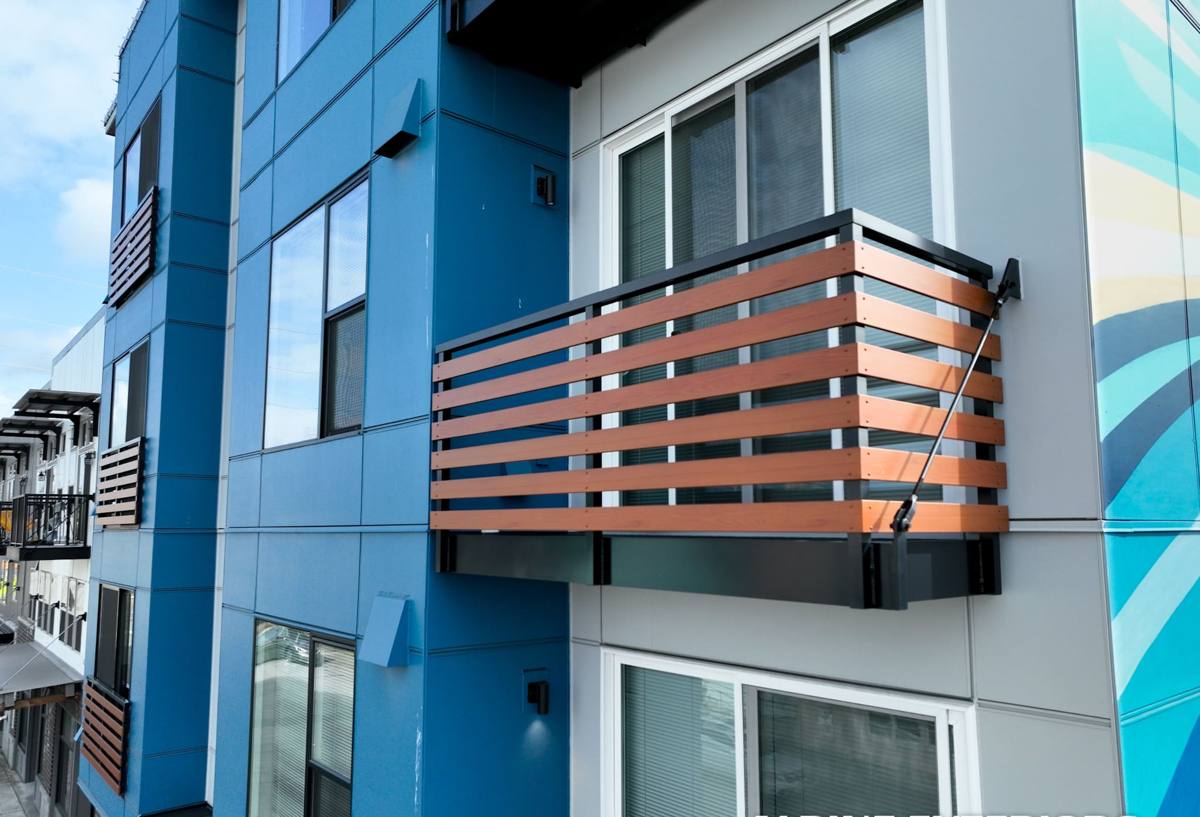
What Semiahmoo's Climate Actually Does to Windows
Salt Air and Metal Fatigue
Salt air accelerates corrosion on anything metal — hinges, balance systems, cranks, and especially older aluminum frames. Once corrosion starts on a moving part, the window gets harder to operate, seals stop compressing evenly, and small gaps open up that let both air and water through. This happens faster on homes with a direct view of the water than it does even a half-mile inland.
Driving Rain and Wind-Driven Water
Birch Bay gets rain that doesn't fall straight down — it comes sideways off the water during winter storms. Windows facing that exposure need properly detailed flashing and sealant, not just a caulk bead around the trim. A window that's fine on a calm day can leak during a January storm if the flashing behind the trim wasn't done right, whether on the original install or a later remodel.
Moss Season and Sustained Moisture
Whatcom County's wet season isn't just about rainfall totals — it's about how many consecutive weeks surfaces stay damp. Wood sills, trim, and any exposed frame material stay wet far longer here than in a drier climate, which is exactly the condition moss, mildew, and slow wood rot need. Old wood or wood-clad windows without solid maintenance are the most vulnerable.
Signs Semiahmoo Homeowners Should Watch For
- Visible corrosion or white powdery buildup on aluminum frames or hardware
- Windows that are hard to open, close, or lock — a sign hardware or the frame has shifted
- Cold air noticeably moving around the frame on windy days
- Condensation forming between the panes of a double-pane window (a failed seal, not fixable by cleaning)
- Soft or discolored wood at the sill or bottom corners of the frame
- Visible moss or dark streaking on the exterior trim around the window
- A musty smell near the window that doesn't go away with cleaning
Any one of these is worth a look. Several together usually mean the window and possibly the surrounding wall framing need attention, not just a caulk touch-up.
What Correctly Installed Energy-Efficient Windows Involve
"Energy-efficient" gets used loosely in this industry. For a home facing Semiahmoo's exposure, it means a specific set of things done correctly, in order:
Frame Material Choice
Vinyl and fiberglass frames handle salt air and moisture cycling better than bare aluminum, which conducts cold and corrodes faster near the water. Fiberglass holds up especially well under repeated wet-dry cycling and doesn't expand and contract as much as vinyl in temperature swings — a real factor with Birch Bay's mix of cool damp winters and warmer summer days.
Glass Package
Double-pane, low-E glass with an argon fill is the standard baseline for this climate. It's not about extreme heat or cold here — it's about cutting the constant, low-grade heat loss from marine-layer damp and wind, and reducing the interior condensation that feeds mold and mildew on sills and window frames in a humid climate.
Flashing and Water Management
This is the step that determines whether a window survives driving rain. Proper installation means integrating the window flange with the home's weather-resistive barrier — flashing tape at the sill and jambs, a sloped sill pan so water drains outward instead of pooling, and correct shingle-lap sequencing with the siding above and below. Skipping or rushing this step is the single most common reason a "good window" leaks a few years later.
Sealing and Insulation at the Rough Opening
The gap between the window frame and the rough opening needs to be sealed and insulated correctly — not overfilled with expanding foam that can bow the frame, and not left with big air gaps. Done right, this is where a meaningful share of the energy-efficiency gain actually comes from, along with the glass itself.
Comparing Frame Options for a Semiahmoo Home
| Frame Type | Salt Air / Moisture Performance | Maintenance | Typical Trade-Off |
|---|---|---|---|
| Vinyl | Good — won't corrode, handles moisture well | Low; occasional cleaning | Less rigid over very large spans; frame color is baked in, not repainted |
| Fiberglass | Very good — stable through wet-dry and temperature cycling | Low | Higher upfront cost than vinyl |
| Wood / Wood-Clad | Weakest in this climate without diligent upkeep | High — needs regular sealing and paint/stain maintenance | Best natural appearance, but sustained dampness is its main vulnerability here |
| Bare Aluminum | Poor near the water — corrodes and conducts cold | Moderate, but corrosion is hard to reverse | We generally steer clients away from it for waterfront-facing walls, not because it's a bad product everywhere, but because it's a poor fit for this specific exposure |
We'll walk through these trade-offs against your home's actual exposure and budget rather than pushing one material by default. A wall shielded by trees a half-mile from the water has different needs than one facing open water on Semiahmoo Spit.
Our Process for Semiahmoo Window Projects
- On-site assessment: We look at the home's actual wind and rain exposure, current window condition, existing flashing (where visible), and any signs of past water intrusion around openings.
- Straightforward proposal: Frame material, glass package, and install method laid out with real trade-offs — no upsell pressure, no vague "premium" language without explanation.
- Removal and inspection: Old windows come out carefully so we can check the rough opening and surrounding framing for hidden rot or water damage before anything new goes in. This step matters more here than almost anywhere else in the county, given how long moss season keeps things damp.
- Correct flashing and sealing: Sill pan, flashing tape, and shingle-lap sequencing done to spec, not shortcut — this is what actually keeps driving rain out.
- Window installation and adjustment: Set plumb, level, and square, hardware adjusted to operate smoothly from day one.
- Final check: Operation, seal, and exterior trim/caulking reviewed before we call the job done.
Why Local Experience in Birch Bay Matters
A crew that mostly works drier, inland climates will often treat window installation as a standard checklist. On Semiahmoo, that checklist needs adjusting: extra attention to flashing detail on water-facing walls, frame material choices that account for salt exposure, and an eye for existing rot from prior moss-season damage that a less experienced installer might miss or seal over. We work in Birch Bay and the surrounding Whatcom County area regularly enough to know which walls in this neighborhood take the worst of the weather and to plan the installation accordingly, rather than applying a one-size-fits-all approach.
This also matters for warranty coverage. Manufacturer warranties on windows typically require correct installation to stay valid — a leak caused by bad flashing, not a defective window, usually isn't covered. Getting the install right the first time protects both the window's performance and your ability to actually use that warranty if something does go wrong later.
Cost Factors to Expect
Costs vary by project, but the main factors that move the number are consistent:
- Frame material (vinyl generally costs less upfront than fiberglass)
- Number of windows and whether it's a full-home replacement or select units
- Condition of the existing rough openings — hidden rot found during removal adds repair scope
- Window size and configuration (standard double-hung vs. larger or custom shapes)
- Glass package upgrades beyond standard double-pane low-E
We give a clear, itemized estimate after the on-site assessment rather than a ballpark over the phone, since the rough-opening condition alone can change the scope significantly once we're behind the trim.
If your Semiahmoo home has windows showing any of the wear signs above, or you're planning ahead before the next wet season sets in, we're happy to take a look. Request a free, no-pressure estimate using the form below and we'll walk your home's specific exposure with you before recommending anything.