 Birch Bay Siding
 Siding Installation in Sandy Point: Built for a Waterfront Community
Sandy Point sits on the water in northern Whatcom County, near Birch Bay, and homes here take on a steadier dose of marine weather than houses set back from the shoreline. Salt-laden air moves off the water and onto exterior walls almost daily, wind-driven rain pushes moisture sideways into siding joints and trim, and a long moss season keeps shaded and north-facing walls damp for much of the year. A siding installation here isn't just a cosmetic upgrade — it's the first line of defense for the wood framing, sheathing, and insulation underneath, and it needs to be treated that way from the first nail.
This page covers siding installation specifically for Sandy Point properties: what the local climate demands, what a correctly done job actually involves, how our process works, and why it matters to hire a crew that already understands this exposure rather than one learning it on your house.
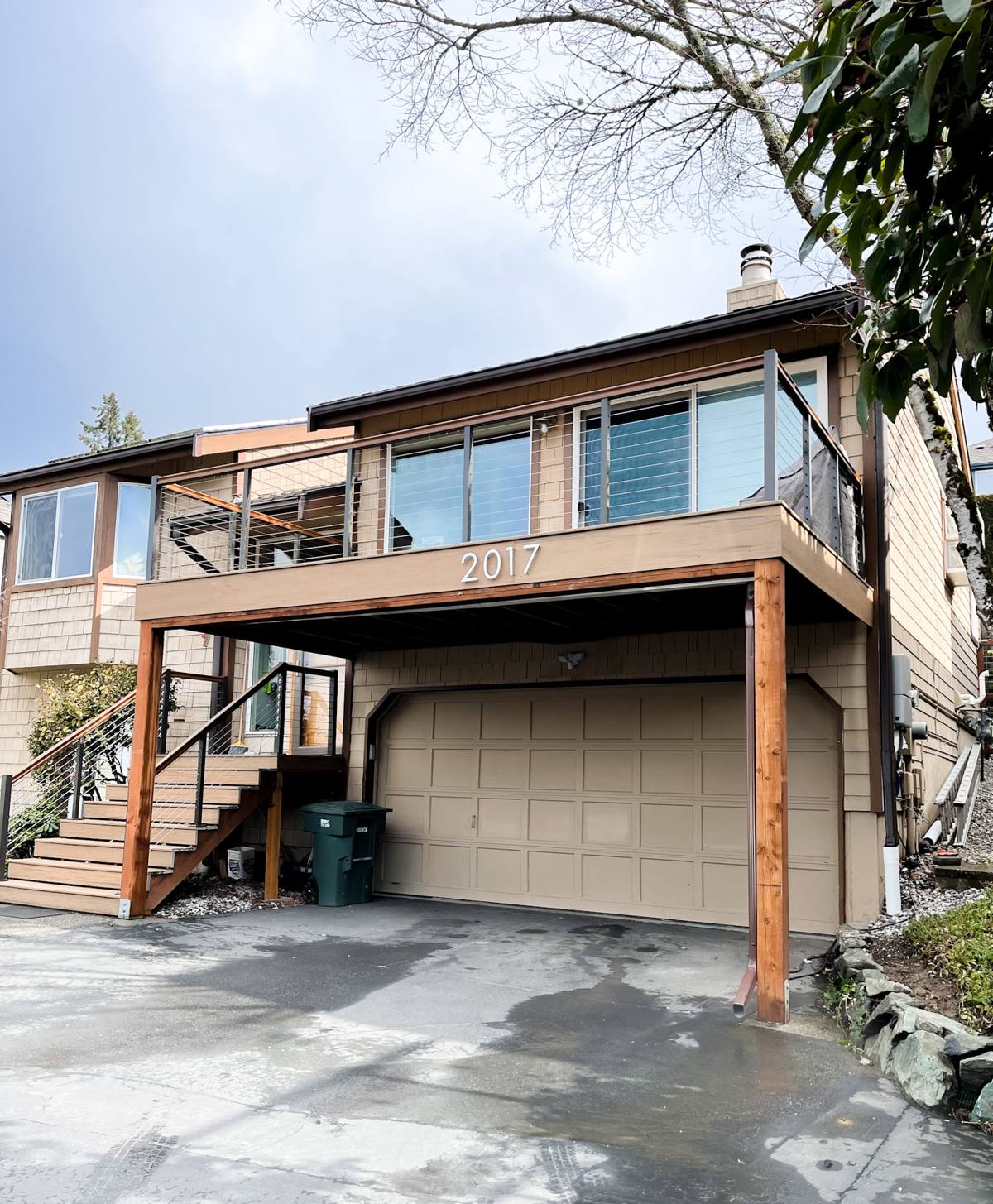
What Sandy Point's Climate Demands From Siding
Salt Air and Corrosion
Waterfront exposure means more airborne salt reaching exterior surfaces than a home a few miles inland would see. Salt accelerates corrosion of fasteners, flashing, and any metal trim, and it can break down lower-grade paint and coatings faster than they'd wear in a drier climate. Every fastener and flashing detail on a Sandy Point installation needs to be chosen with that corrosion exposure in mind, not just picked for cost.
Driving Rain and Wind-Driven Moisture
Open water exposure also means more wind, and wind-driven rain doesn't behave like a straight vertical rainfall — it gets pushed sideways into siding laps, window and door flashing, and any penetration in the wall. That's a heavier moisture load on the building envelope than annual rainfall totals suggest. Siding and flashing details that hold up fine in a sheltered, inland yard can still fail here because the water is finding its way in from the side, not from above.
A Long Moss Season
Mild temperatures, regular moisture, and shade from trees or neighboring structures add up to a moss and mildew season that runs most of the year in this part of Whatcom County. Roofs are usually the first place it shows, but shaded siding walls aren't far behind. Any siding material that's even slightly porous, or that traps moisture against the substrate, becomes a growth surface over time — and once moss or mildew takes hold, it holds moisture against the wall even longer, compounding the problem.
Why We Install Only James Hardie Fiber Cement Siding
We install one siding system in Sandy Point and everywhere else we work: James Hardie fiber cement. We don't install LP SmartSide, vinyl, Cemplank, Allura, primed spruce, or cedar. That's not a brand preference — it's a professional standard built from what we've seen hold up, and what hasn't, in this specific kind of salt-air, high-moisture climate.
| Factor | James Hardie Fiber Cement | Vinyl | Wood / Engineered Wood |
|---|---|---|---|
| Moisture response | Dimensionally stable; engineered HZ formulations for wet climates | Doesn't absorb water but can warp or crack in temperature swings | Can swell, cup, or delaminate with repeated wetting |
| Salt air / corrosion | Non-metallic core resists salt-driven breakdown | Generally salt-tolerant but fasteners and trim still at risk | Finish and fasteners vulnerable to accelerated wear |
| Moss / mildew resistance | Dense, factory-finished surface resists organic growth | Resists growth but seams and J-channel can trap moisture | More porous; a common growth surface in shaded, damp areas |
| Fire performance | Non-combustible core material | Combustible; can soften or deform near heat | Combustible |
| Finish longevity | Factory-applied ColorPlus finish, warranted | Color molded through, can fade or chalk over time | Field-applied paint or primer, needs recoating |
Every product in that table has homeowners who are satisfied with it somewhere. But on a waterfront exposure like Sandy Point, we'd rather stand fully behind one system than offer a cheaper option that quietly shifts long-term maintenance risk onto the homeowner.
What a Correct Siding Installation Involves
Substrate and Prep
Correct installation starts before the first siding board goes up. That means checking the sheathing underneath for existing rot or moisture damage, confirming the water-resistive barrier is intact and properly lapped, and addressing any framing issues found along the way rather than covering them up. Skipping this step is one of the most common reasons a siding job fails early in a wet climate — the new siding looks right, but the structure underneath was never actually fixed.
Flashing and Moisture Management
Flashing at windows, doors, and any roof-to-wall transition is where most siding failures actually start, especially with wind-driven rain coming off the water. A correct installation uses properly lapped flashing, drip caps above openings, and a drainage plane behind the siding so any moisture that does get past the outer surface has somewhere to go instead of sitting against the sheathing.
Fastening and Clearances
Fastener type, spacing, and depth all follow Hardie's published installation specifications — not general framing-nail habits. Corrosion-resistant fasteners matter more here than in a dry inland location. Clearance from grade, roofing, and decking surfaces also has to be correct, since siding installed too close to the ground or a roofline will wick moisture no matter how good the material is.
Finish Details
Joints get factory-mitered or properly caulked with a product rated for exterior, wet-climate use. Trim, corners, and any transition between siding and other exterior materials get finished so water sheds away from the wall rather than pooling or wicking in. These are the details that separate an installation that looks good on day one from one that's still performing correctly ten years in.
Our Installation Process in Sandy Point
- On-site assessment: We walk the exterior, check the current siding and substrate condition, and look specifically for how the home has handled salt and moisture exposure over time.
- Written scope and estimate: You get a clear breakdown of the work, materials, and timeline before anything is signed.
- Prep and tear-off: Old siding comes off, the sheathing and water-resistive barrier get inspected and repaired as needed, and any framing issues are addressed before new siding goes on.
- Installation to Hardie spec: Fastening, flashing, drainage detailing, and clearances follow manufacturer specifications, not shortcuts.
- Final walkthrough: We go over the finished work with you and confirm every detail before calling the job complete.
Cost Factors for a Sandy Point Siding Installation
Every home is different, so we don't quote pricing sight unseen — but the factors below are what typically move a Sandy Point siding estimate up or down:
| Factor | Why It Affects Cost |
|---|---|
| Home size and wall complexity | More square footage and more corners, dormers, or angles mean more material and labor |
| Substrate condition | Rotted sheathing or framing found during tear-off adds repair work before new siding can go on |
| Existing siding removal | Full tear-off of old material costs more than installing over a properly prepped surface, but is often the right call for long-term performance |
| Siding profile and trim detail | Board-and-batten, more intricate trim, or custom color selections add labor time |
| Access and site conditions | Waterfront lots, tight setbacks, or limited equipment access can affect labor time |
Signs Your Sandy Point Home May Need New Siding
- Visible cracking, warping, or gaps at siding seams and corners
- Paint or finish that's chalking, peeling, or fading unevenly across the wall
- Soft spots, discoloration, or a musty smell near exterior walls, especially on shaded sides
- Persistent moss or mildew buildup that returns soon after cleaning
- Rusting or corroded fasteners and trim visible along the siding
- Rising energy bills that can't be explained by other causes, which can point to a compromised building envelope
Any one of these on its own isn't necessarily an emergency, but a home showing several of them at once is usually telling you the siding is no longer doing its job.
Why Local Experience in Sandy Point Matters
A siding crew that mostly works drier, inland jobs doesn't automatically know how to detail flashing for wind-driven rain off open water, or how much clearance a wall needs when moss growth is a near-constant condition rather than a seasonal one. Experience specific to Whatcom County's waterfront communities shows up in details that aren't obvious from the street — fastener choice, drainage planning, and where extra attention goes on a shaded or exposed wall. Hiring a crew that already works this stretch of coastline means fewer surprises and fewer callbacks down the road.
If you're weighing a siding installation for a Sandy Point property, we're happy to walk the exterior with you and give an honest read on what your home needs. Reach out below for a free, no-pressure estimate.