 Birch Bay Siding
 Roof Replacement in Custer: Built for This Coastline
Custer sits close enough to the water that homes here deal with a different set of pressures than a roof twenty miles inland. Salt-laden air off the Strait of Georgia and Birch Bay works its way into fasteners, flashing, and shingle granules year after year. Add Whatcom County's long, wet winters and the moss season that seems to start earlier every year, and you've got a roofing environment that punishes shortcuts. A roof replacement out here isn't just about swapping old shingles for new ones — it's about choosing materials and installation details that actually hold up to what this specific stretch of coastline throws at a house.
We work on homes throughout Custer and the surrounding Birch Bay area regularly, which means we're not guessing at how local weather affects a roof over time. We've seen what happens when a roof was installed to a generic spec instead of a coastal one, and we build every replacement to avoid those failure points from the start.
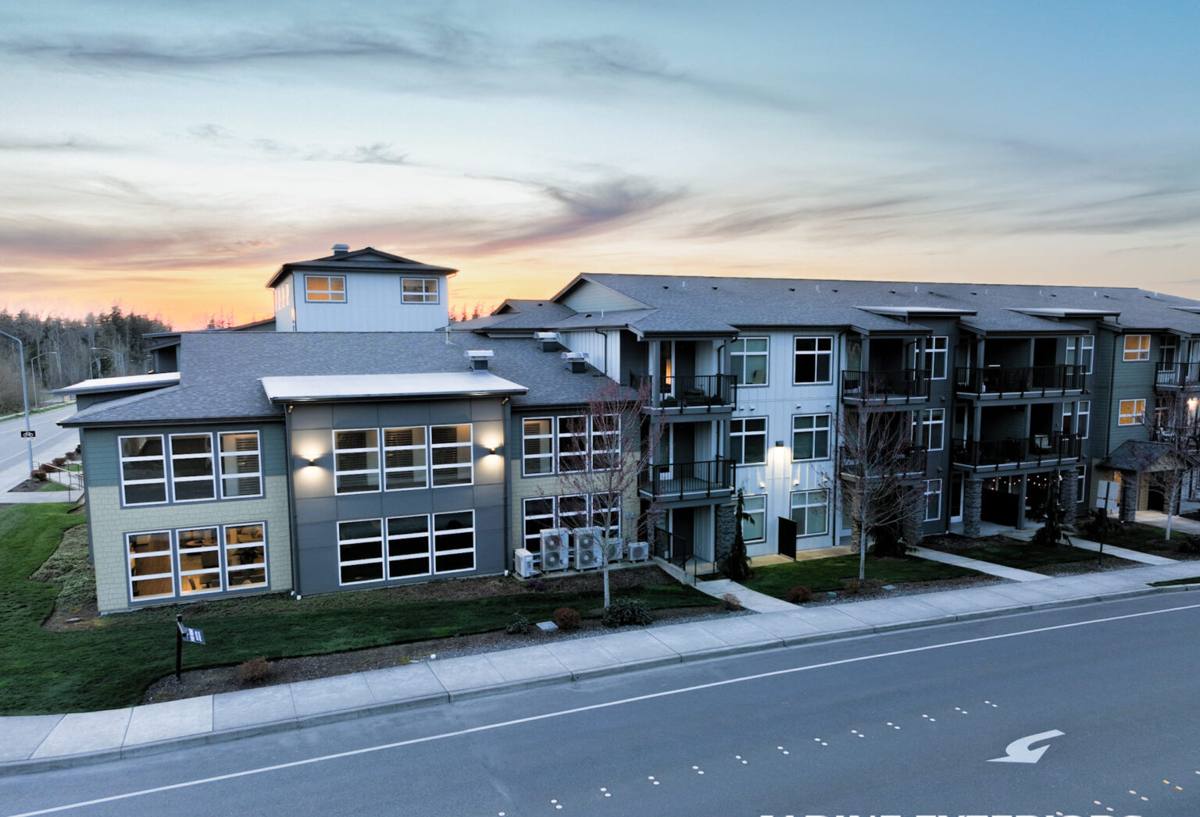
What Custer's Climate Does to a Roof
Understanding the damage pattern is the first step in preventing it. Three factors dominate here:
Salt Air and Corrosion
Airborne salt accelerates corrosion on any exposed metal — nail heads, flashing, vent boots, and fastener hardware. Standard galvanized fasteners that might last decades in a drier inland climate can start showing rust streaks and weakening well ahead of schedule near the water. This is why fastener and flashing choice matters as much as the shingle brand on a job like this.
Driving Rain and Wind-Driven Moisture
Storms coming off the water don't just drop rain straight down — wind pushes it sideways, up under shingle tabs, and into any gap in the flashing detail. A roof system here needs sealed transitions at every valley, chimney, skylight, and wall intersection, not just adequate coverage on the open field of the roof.
Moss and Prolonged Moisture Exposure
Whatcom County's mild, wet winters give moss a long growing season, and Custer's tree cover and proximity to the bay keep roof surfaces damp longer than they would be in a drier climate. Moss holds moisture against the roofing material, and over time that trapped moisture works its way under shingle edges and accelerates granule loss. A roof that isn't detailed to shed water quickly and dry out between storms becomes a moss farm within a few seasons.
Signs a Custer Roof Needs Replacing, Not Just Repairing
Not every roof problem calls for a full replacement, and we'll always tell you honestly if a repair is the smarter move. But certain signs point toward a system that's genuinely at the end of its service life rather than dealing with an isolated issue:
- Granules collecting in gutters or at downspout outlets in noticeable amounts
- Shingles that are cupping, curling, or cracking across multiple areas of the roof, not just one spot
- Persistent moss growth that comes back within a season or two of cleaning
- Soft spots or sagging when walked on, which can indicate deck damage underneath
- Daylight visible through the roof deck from inside the attic
- Repeated leaks in different locations rather than one recurring spot
- Roof age nearing or past the manufacturer's expected service life for your material and exposure
- Visible rust or deterioration at flashing, vent boots, or fastener heads
If you're seeing two or more of these, it's worth having someone look at the whole system rather than patching the symptom you noticed first.
What a Correct Roof Replacement Involves Here
A roof replacement done right in this climate isn't just about the shingles you can see. The parts that matter most for long-term performance are largely hidden once the job is finished.
Tear-Off and Deck Inspection
We remove the existing roofing down to the deck rather than layering over it. This lets us actually see the plywood or OSB underneath and catch any rot, soft spots, or moisture damage before it's covered up again — a problem that's common on older Custer homes where trapped moisture has been working on the deck for years without anyone knowing.
Underlayment Selection
Given the wind-driven rain typical here, we lean toward synthetic or ice-and-water shield underlayment in vulnerable areas — valleys, eaves, and around penetrations — rather than the minimum builder-grade felt. This is a place where spending a little more on the layer nobody sees pays off directly in fewer leaks later.
Flashing and Fastener Corrosion Resistance
Because of the salt air, we favor corrosion-resistant metal flashing and fastener hardware rated for coastal exposure over standard galvanized options wherever the budget allows. It costs more up front and saves money over the life of the roof by avoiding early flashing failure.
Ventilation
Proper intake and exhaust ventilation keeps the attic space at a consistent temperature and moisture level, which reduces condensation buildup on the underside of the deck — a real issue in a climate with as much sustained humidity as this one. Poor ventilation shortens the life of a new roof no matter how good the shingles are.
Valley and Penetration Detailing
Valleys, chimneys, skylights, and pipe boots are where the vast majority of roof leaks start. We take extra care with these transitions specifically because driving rain finds every weak point, and a roof that looks fine from the ground can still be failing at these details.
Material Options for a Custer Home
There's no single "best" roofing material for every house — it depends on your home's structure, your budget, and how much long-term maintenance you want to take on. Here's how the common options stack up against Custer's specific conditions:
| Material | Salt Air Performance | Moss Resistance | Typical Lifespan | Maintenance |
|---|---|---|---|---|
| Architectural asphalt shingles | Good with corrosion-resistant fasteners | Moderate — benefits from periodic cleaning | 25–30 years | Low to moderate |
| Standing seam metal | Very good with coastal-rated coatings | Excellent — sheds moss naturally | 40–50+ years | Low |
| Composite/synthetic shingles | Good | Good | 30–50 years | Low |
| Cedar shake | Fair — needs regular treatment near salt air | Poor without diligent upkeep | 20–30 years with maintenance | High |
We're straightforward about trade-offs. Cedar shake has real aesthetic appeal, but in a moisture-heavy, moss-prone climate like Custer's, it demands a maintenance commitment that a lot of homeowners underestimate — regular treatment, cleaning, and closer monitoring for moisture retention. Metal roofing carries a higher upfront cost but sheds moss and handles salt exposure better than almost anything else on this list, which is why we see more interest in it from homeowners planning to stay long-term. For most Custer homes, a quality architectural asphalt shingle with proper coastal-grade underlayment and flashing hits the right balance of cost, performance, and appearance.
Our Roof Replacement Process
We keep the process straightforward so you know what to expect at each stage:
- On-site assessment — we inspect the current roof, deck condition, ventilation, and any problem areas specific to your home's exposure to wind and moisture.
- Honest recommendation — we walk you through material options and what we'd actually recommend for your home, budget, and how long you plan to stay in it.
- Written estimate — a clear scope of work and pricing before anything is scheduled, no surprises added later.
- Tear-off and deck check — full removal of old roofing with any deck repairs identified and addressed before new material goes down.
- Installation — underlayment, flashing, ventilation, and roofing material installed to manufacturer spec and detailed for this climate's demands.
- Final walkthrough — we go over the completed work with you and make sure everything meets the standard we set at the start.
Timing a Roof Replacement Around Custer's Weather
Roofing can be done for most of the year in this region, but there are practical windows worth knowing about. Late spring through early fall tends to offer the most consistent dry stretches for tear-off and installation, which matters because an open roof deck is vulnerable to moisture during the work itself. That said, roofing happens in the Pacific Northwest through the shoulder seasons too — it just requires closer weather monitoring and sometimes a tighter work schedule to keep the deck protected. If you're dealing with an active leak, we don't wait for ideal weather; we prioritize getting the home protected first.
Questions Worth Asking Before You Hire
Whatcom County has plenty of roofing options, and it's worth being selective. A few questions that separate a solid local crew from a less thorough one:
- Do they inspect and address the deck, or just install over whatever's underneath?
- What underlayment and flashing do they use, and do they explain why?
- Are they licensed and insured in Washington State, and will they show you proof?
- Do they have direct experience with homes in this specific coastal area, not just the region broadly?
- Is the warranty clearly explained — what's covered by the manufacturer versus the installer?
- Will they give you a written, itemized estimate before work begins?
A crew that's done consistent work in Custer and along the Birch Bay coastline understands the difference between a roof spec that works twenty miles inland and one that actually holds up here. That local pattern recognition — knowing which failure points show up first in this climate — is something you can't get from a contractor who only occasionally works this stretch of coast.
Protecting Your Investment After Installation
A new roof lasts longer with a small amount of ongoing attention, especially in a climate like this one:
- Keep gutters clear so water isn't backing up under the roof edge
- Have moss growth addressed early, before it spreads and holds moisture against the roofing material
- Trim back overhanging branches that keep sections of the roof shaded and damp
- Schedule a periodic visual inspection, particularly after major windstorms
- Address any small leak signs immediately rather than waiting for them to spread
None of this requires major effort, but skipping it is how a well-installed roof ends up with preventable problems years before it should.
Let's Talk About Your Roof
If your Custer home's roof is showing its age, or you just want an honest read on where it stands, we're happy to take a look. There's no pressure and no pushy sales pitch — just a straightforward assessment and a clear estimate so you can make the call on your own timeline. Fill out the form below to get started.