 Birch Bay Siding
 Roof Repair Built for Point Roberts' Coastline
Point Roberts sits on its own peninsula at the far edge of Whatcom County, surrounded by water on three sides. That location is part of what makes it a beautiful place to own a home — and part of what makes roofs here age differently than roofs fifteen miles inland. Constant marine air, wind that comes straight off the water, and a moss season that runs longer than most homeowners expect all add up to specific, predictable wear patterns. A roof repair here isn't just "patch the leak and go." It has to account for what's actually happening to the materials, not just where the water is currently showing up inside the house.
We work on roofs throughout Birch Bay and the surrounding Whatcom County coastline, and Point Roberts is part of that regular service area. That matters more than it sounds like it should — more on why further down.
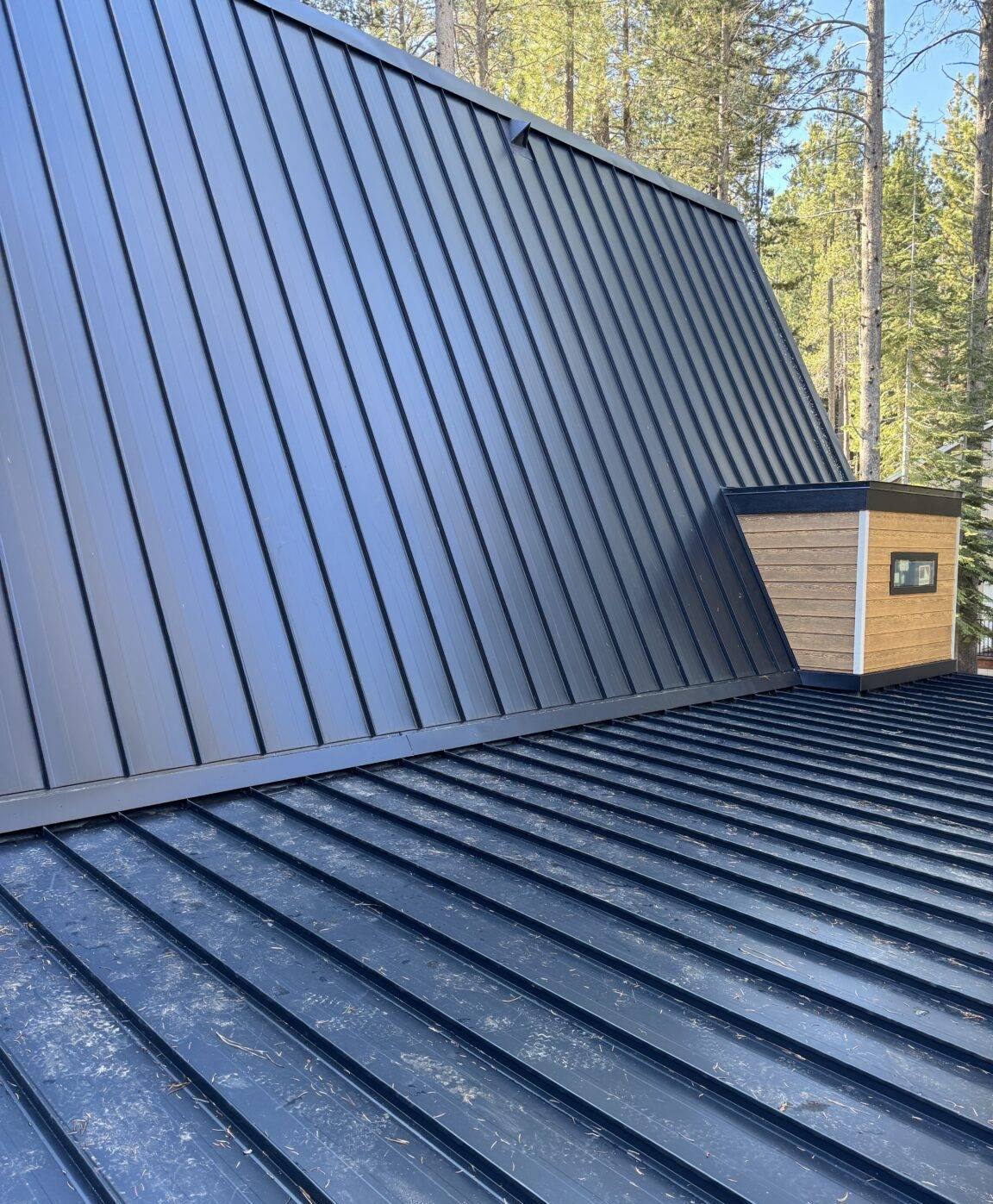
What Salt Air, Rain, and Moss Actually Do to a Roof Here
Salt Air and Corrosion
Airborne salt doesn't just affect boats and vehicles. It accelerates corrosion on every exposed metal component of a roof: nail heads, flashing, gutter fasteners, and the metal drip edge along eaves and rakes. On an inland roof, galvanized fasteners might last decades without issue. On a waterfront or near-waterfront roof, that same fastener can start showing rust streaks and losing holding strength years sooner. Once flashing or fasteners corrode, they stop doing their job of shedding water — even if the shingles or panels above them look fine.
Wind-Driven Rain
Rain that falls straight down is one problem. Rain that's being pushed sideways by wind off the water is a different one entirely. Wind-driven rain finds its way under shingle tabs, up under flashing laps, and into any gap that a calmer rain would never reach. This is why so many "mystery leaks" in this area trace back to a specific wind direction — the roof holds up fine in most storms, then leaks during the one storm that hits from an unusual angle.
Moss Season
The Pacific Northwest's damp, shaded conditions give moss a long growing window, and a roof with any north-facing slope, tree cover, or debris buildup is going to grow it. Moss isn't just cosmetic. It holds moisture against the roofing material far longer than the material was designed to stay wet, it works its way under shingle edges as it grows, and on steep sections it can lift tabs enough to break the seal that keeps wind and rain out. Left long enough, moss growth turns a roof that should have years of life left into one with active leaks.
The Repair Calls We See Most Often
Most roof repair calls in this area fall into a handful of categories. Knowing which one you're dealing with changes both the fix and the cost.
| What You Notice | Likely Cause | Typical Fix |
|---|---|---|
| Ceiling stain that appears only during storms with wind | Wind-driven rain getting under flashing or shingle laps | Re-flash and re-seal the affected area; replace displaced shingles |
| Dark green or black patches, especially on shaded slopes | Moss holding moisture against the roofing surface | Careful moss removal, treatment, and repair of any lifted or damaged shingles underneath |
| Rust streaks running down from flashing or fasteners | Salt-air corrosion of metal components | Replace corroded flashing and fasteners with corrosion-resistant materials |
| Leak near a chimney, skylight, or vent pipe | Failed flashing seal at a roof penetration | Remove and rebuild the flashing detail, not just caulk over it |
| Sagging or soft spots underfoot | Decking damage from long-term moisture intrusion | Replace the affected decking, then repair roofing over it |
What a Correct Roof Repair Actually Involves
A roof repair done right starts with a real diagnosis, not a guess. Water rarely shows up inside the house directly below where it entered — it travels along decking and framing before it drips somewhere visible. That means the first job on any repair is tracing the path back to the actual entry point, which is often a flashing detail, a penetration, or a section of moss-damaged shingles well away from the stain itself.
Once the source is identified, a correct repair includes:
- Removing enough surrounding material to see whether decking or underlayment was also affected — not just covering the surface symptom
- Replacing damaged decking before any new roofing goes back down over it
- Rebuilding flashing details properly, rather than relying on caulk or roofing cement as a long-term fix
- Matching shingle or panel material as closely as possible so the repair blends in and performs the same as the surrounding roof
- Using corrosion-resistant fasteners and flashing appropriate for a marine climate, not standard inland-grade materials
Skipping any of these steps is how a "fixed" leak comes back a year or two later, usually worse than before, because the underlying damage was never actually addressed.
Our Process
- Inspection: We look at the whole roof, not just the spot you're worried about — moss, flashing, fasteners, and decking condition all get checked.
- Diagnosis: We trace the actual water path and explain what we find in plain terms, including photos of the problem area when it's accessible.
- Written scope and estimate: You get a clear explanation of what needs to be done and why, along with an honest cost range, before any work starts.
- Repair: We do the work to the standard above — proper flashing, matched materials, corrosion-resistant fasteners — not a surface patch.
- Follow-up: We tell you what to watch for afterward and what kind of maintenance will keep the rest of the roof from developing the same problem.
Repair or Replace? How We Help You Decide
Not every roof problem calls for a full replacement, and not every leak is fixable with a simple repair. The honest answer depends on the roof's age, how widespread the damage is, and how it was maintained before the problem showed up.
| Factor | Leans Toward Repair | Leans Toward Replacement |
|---|---|---|
| Roof age | Well within expected lifespan for the material | At or past the material's typical service life |
| Extent of damage | Isolated to one section or detail | Spread across multiple slopes or the whole roof |
| Decking condition | Solid, with only localized soft spots | Widespread soft spots or rot |
| Moss history | Recently treated, limited buildup | Years of untreated moss growth with lifted shingles throughout |
| Prior repairs | First repair on this section | Multiple past patches in the same area that keep failing |
We'll tell you honestly which category your roof falls into. If a repair will genuinely hold, we'll say so — a repair that's done correctly can add real years to a roof's life. If the underlying roof is too far gone for a repair to be worth the cost, we'll tell you that too, rather than patching something that's likely to fail again soon.
Why Hiring a Crew That Already Works Point Roberts Matters
Point Roberts is geographically separated from the rest of Whatcom County — it's only reachable by land through Canada, or by water. That's not a small detail when it comes to hiring a contractor. Crews that don't already have a reason to be in the area often price around the extra travel and logistics, show up less reliably for follow-up visits, or simply don't take on jobs there at all.
Because we already serve this stretch of coastline regularly, that logistical friction is already worked into how we schedule and route jobs — it's not a special-case surcharge or an inconvenience we pass on to you. Just as important, a crew that repairs roofs in this specific environment regularly recognizes the patterns faster: which slopes are going to hold moss, which flashing details tend to fail first under wind-driven rain, and which fastener and material choices actually hold up against ongoing salt exposure. That familiarity shortens the diagnosis step and helps make sure the fix addresses the real cause the first time.
Between Visits: A Homeowner's Roof Checklist
You don't need to get on the roof yourself to stay ahead of most problems. A few habits go a long way in this climate:
- Look at north-facing and shaded slopes each fall and spring for new moss growth
- Keep gutters and downspouts clear so water isn't backing up against the roof edge
- Trim back tree branches that keep a section of roof shaded and damp longer than the rest
- After any storm with strong wind, do a visual check from the ground for missing, lifted, or displaced shingles
- Check ceilings and attic spaces (if accessible) for staining after heavy rain, especially following wind from an unusual direction
- Have flashing around chimneys, skylights, and vents looked at every few years — these details fail well before the field of the roof does
Catching any of these early is almost always cheaper and less disruptive than waiting until there's an active leak inside the house.
Get a Straight Answer About Your Roof
If you're dealing with a leak, storm damage, or a roof that's just showing its age after another wet Whatcom County season, we're happy to take a look. We'll give you an honest read on what's actually going on and what it will take to fix it — no pressure, no upsell. Fill out the form below for a free estimate on your Point Roberts roof repair.