 Birch Bay Siding
 Window Replacement Built for the Nooksack Area's Weather
Windows in Whatcom County don't fail the way they do in drier parts of the country. Out here, the problem is rarely just old glass or a broken lock. It's water — driving rain that finds every gap, condensation that sits in a frame for months at a time, and a moss and mildew season that stretches from fall through spring. If you're looking at window replacement for a home in the Nooksack area, the climate should shape almost every decision: the frame material, the flashing detail, the sealant, and the schedule for the install itself.
This page is about one job, done right, for this area: replacing windows on a Whatcom County home that has to stand up to salt-tinged marine air, sustained wind-driven rain, and long stretches of gray, damp weather where nothing dries out quickly. We're not going to give you a generic national window pitch. We're going to walk through what actually matters here.
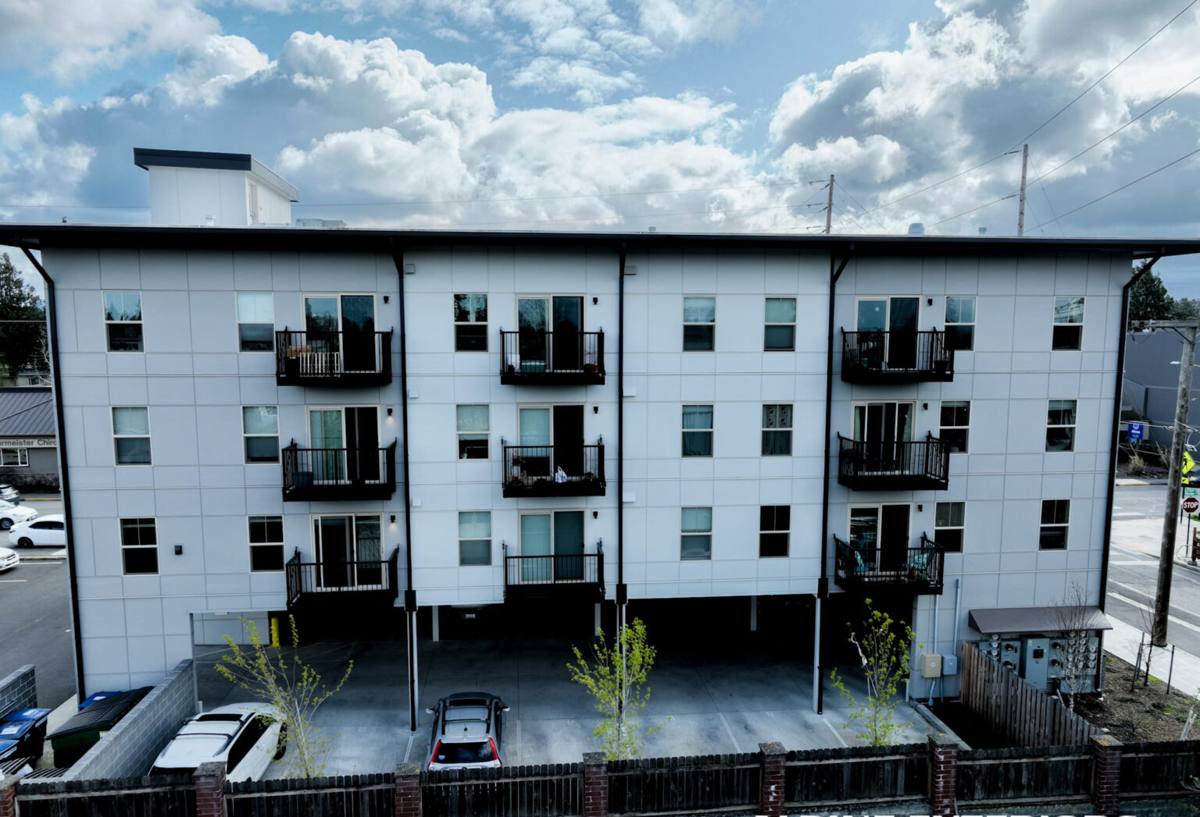
What Local Weather Does to Windows Over Time
A window doesn't fail all at once. It fails slowly, in ways that are easy to miss until the damage is already inside the wall. In this part of Washington, three things do most of the work:
Driving Rain
Rain here rarely just falls straight down. Storms off the Sound and the Strait push it sideways, which means it's testing horizontal seams, sill pans, and the top of the frame — not just the glass. A window that was installed without proper flashing and a sloped sill can look fine for years and still be feeding water behind the trim the whole time.
Moss and Constant Dampness
The long moss season isn't just a roof problem. Moss and mildew build up in window tracks, on sills, and in any wood trim that doesn't get enough sun or airflow to dry between rain events. Damp wood that never fully dries is exactly the environment rot needs, and it doesn't take many seasons for that to become a structural issue at the sill or the framing below it.
Salt Air and Coastal Exposure
Homes closer to the water deal with salt-laden air that accelerates corrosion on hardware, fasteners, and lower-grade metal components. Over time this shows up as pitted or seized hardware, discoloration on aluminum trim, and finishes that fail earlier than the manufacturer's stated life expectancy.
None of these are dramatic, one-day failures. They're slow, cumulative damage — which is exactly why a lot of Nooksack-area homeowners are surprised at what's actually going on once we pull an old window out.
Signs a Nooksack Home's Windows Need Replacing
Some of these are obvious. Others are easy to write off as normal for an older house — until you know what to look for.
- Visible gaps, soft spots, or dark staining on the wood sill or trim around the window
- Persistent fogging or moisture between panes of double-glazed glass (a sign the seal has failed)
- Windows that are noticeably harder to open, close, or lock than they used to be
- Cold drafts near the frame even when the sash is fully latched
- Moss, algae, or black mildew staining that keeps coming back on the sill or lower frame no matter how often it's cleaned
- Paint that's peeling or bubbling specifically around the window opening, not the rest of the siding
- A noticeable jump in heating costs without any other explanation
- Visible daylight or a whistling sound around the frame during windstorms
If you're seeing two or three of these at once, that's usually a sign the water intrusion has been going on longer than the visible symptoms suggest.
Choosing the Right Frame Material for This Climate
There's no single "best" window material for every house, but some options handle sustained moisture and salt air better than others. Here's how the common choices compare for a Whatcom County home:
| Frame Material | Moisture & Rot Resistance | Maintenance | Typical Trade-Off |
|---|---|---|---|
| Vinyl | Very good — won't rot, low corrosion risk | Low; occasional cleaning | Fewer color/finish options; can flex on very large openings |
| Fiberglass | Excellent — dimensionally stable, resists moisture well | Low | Higher upfront cost than vinyl |
| Wood | Poor without diligent upkeep in this climate | High; needs regular painting/sealing | Classic look, but the maintenance burden is real here |
| Wood-clad (wood interior, metal/vinyl exterior) | Good on the exposed side; interior still vulnerable to leaks | Moderate | Only as good as the seal between the cladding and the wood core |
| Aluminum | Fair — prone to corrosion and condensation in coastal air | Moderate | Thermally inefficient unless thermally broken |
Our default recommendation for most Nooksack-area homes is vinyl or fiberglass, specifically because they don't give moisture and salt air anything to work with over time. We'll still install wood or wood-clad windows when that's what a homeowner wants for the look, but we're honest about the maintenance commitment that comes with it in this climate — it's not a knock on the product, it's just what the weather here demands of it.
What a Correct Installation Actually Involves
The window itself is only part of the job. In a climate with this much driving rain, the installation detailing is what determines whether water stays out for the next twenty years or finds its way in within two or three.
Sill Pan and Flashing
Every replacement should include a proper sill pan that slopes water back outside the wall assembly, plus flashing tape integrated correctly with the house wrap or building paper above and below the opening — not just caulk smeared around the trim. Caulk alone is not a moisture barrier; it's a backup, and it fails first when it's asked to do the whole job.
Air and Water Sealing at the Rough Opening
The gap between the window frame and the rough opening needs to be sealed with the right materials — low-expansion foam or backer rod and sealant, not whatever was on hand. Over-filling with the wrong foam can actually bow a frame and cause operational problems later.
Proper Shimming and Squaring
A window that isn't shimmed level and square will bind, won't seal evenly, and puts uneven stress on the frame — which shortens the life of weatherstripping and hardware.
Interior and Exterior Trim Detail
Trim needs to be reinstalled (or replaced, if it was compromised) in a way that sheds water away from the frame, not toward it. This is a small detail that gets skipped often, and it's one of the more common causes of repeat leaks after a "replacement" that didn't actually fix the underlying water path.
How We Approach the Job
- On-site assessment. We look at the existing window, the condition of the sill and framing behind it, and how water has actually been behaving around that opening — not just the glass.
- Honest scope and estimate. If we find rot or water damage once we open things up, we tell you before we proceed, not after the invoice.
- Removal and inspection. Old windows come out carefully so we can check the framing and sheathing underneath for hidden moisture damage.
- Correct flashing and sealing. Sill pan, flashing integration, and air sealing done to the standard the climate here requires — every time, not just when it's visible.
- Installation and adjustment. The new window is set, shimmed, squared, and tested for smooth operation before trim goes back on.
- Cleanup and walkthrough. We walk the finished work with you so you know what was done and what to watch for going forward.
What Affects the Cost of Window Replacement Here
We're not going to quote a number here, because it genuinely depends on your home — but these are the factors that move the price up or down on most Nooksack-area jobs:
| Factor | Why It Matters |
|---|---|
| Number and size of windows | More openings and larger glass units mean more material and labor |
| Frame material chosen | Vinyl is typically the most budget-friendly; fiberglass and wood cost more |
| Condition of the existing framing | Rot or water damage found during removal adds repair scope |
| Full-frame vs. insert replacement | Full-frame replaces flashing and sill; inserts are faster but don't address existing water paths |
| Glass package | Double vs. triple pane, and Low-E coatings, affect both cost and performance |
| Access and site conditions | Second-story or hard-to-reach windows take more time and equipment |
One thing worth saying plainly: if a bid seems unusually low, ask what kind of flashing and sill detail is included. That's the part that's easy to skip and hard to see once the trim is back on — and it's the part that determines whether the job actually solves your water problem or just delays it.
Why It Matters That We Already Work in This Area
A window that's correctly installed for a dry climate isn't automatically correct for Whatcom County. Crews that don't regularly work in areas with this much sustained rain and salt exposure sometimes treat flashing and sill detailing as optional — because in a lot of the country, the consequences of skipping it show up slowly enough that nobody connects the dots back to the installer.
Working in Birch Bay and the surrounding Whatcom County communities day in and day out means we're not guessing at what this climate does to a window over time — we're seeing it, on similar homes, in similar conditions, on a regular basis. That shapes how we flash an opening, which materials we default to, and what we flag as a concern before it becomes a bigger repair.
Maintenance Tips for the Long Moss Season
- Clear debris and moss buildup from window tracks and sills at least twice a year, especially going into fall
- Keep gutters and downspouts clear so water isn't sheeting down across upper windows
- Check caulking and sealant lines annually for cracking or separation — small gaps only get bigger
- Trim back vegetation that keeps window areas shaded and damp longer than necessary
- Operate windows periodically through the wet months so hardware and weatherstripping don't seize or compress permanently
If your windows are showing any of the signs above, or you just want a straight opinion on whether they're worth replacing versus repairing, we're happy to take a look. Fill out the form below for a free, no-pressure estimate on window replacement for your Nooksack-area home.