 Birch Bay Siding
 Siding Installation for Marietta Homes in Birch Bay
Marietta sits close enough to Birch Bay and the Strait of Georgia that homes here take a different kind of weathering than houses just a few miles inland. Salt-laden air moves through the neighborhood off the water, driving rain comes in sideways during winter storms, and the shaded, damp stretches between houses stay wet long after a storm has passed. Add in a moss season that can run from October through May in a normal Whatcom County year, and you have a set of conditions that will find every weak point in a siding system eventually. We install siding in Marietta on a regular basis, and this page walks through what that work actually involves — not a generic overview of siding in general, but what correct installation looks like on a home in this specific stretch of coastline.
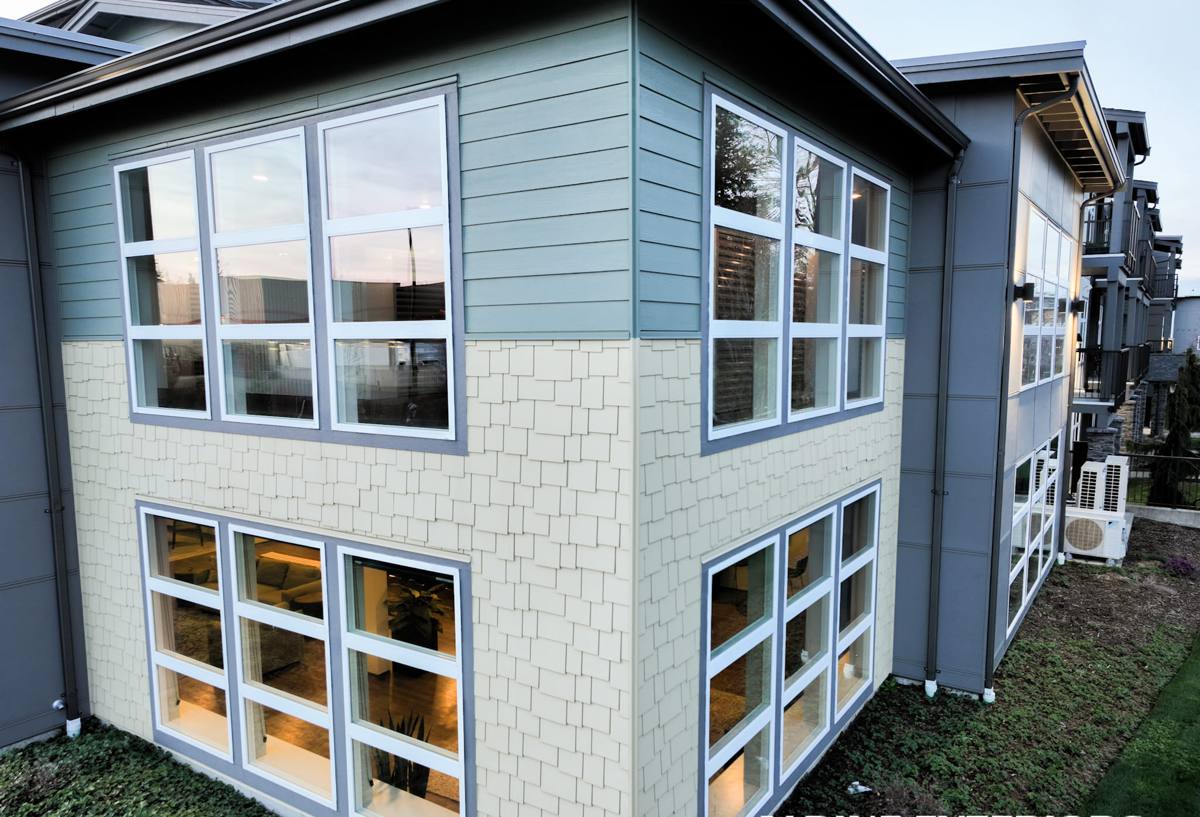
What Marietta's Climate Actually Demands From Siding
It helps to separate the three things working against a Marietta home's exterior, because each one attacks siding a different way.
Salt Air
Airborne salt from the bay settles on exterior surfaces and accelerates corrosion on anything metal — fasteners, flashing, trim connectors — and it can degrade some paint and coating systems faster than they'd wear inland. Siding materials and finishes that aren't formulated to hold up in a marine-influenced environment tend to show fading, chalking, or fastener staining sooner here than they would twenty miles east.
Driving Rain
Birch Bay-area storms frequently come with enough wind to push rain sideways into walls rather than letting it run straight down. That means the water-management details behind the siding — the weather-resistant barrier, flashing at every penetration, and proper lap and gap spacing — matter more here than they would in a calmer inland location. A siding job that looks fine on a dry day can still be letting water behind the cladding during a January storm if those details were rushed.
Moss and Sustained Moisture
North-facing walls, areas shaded by trees or neighboring structures, and low clearance points near grade or roofing stay damp for extended stretches. That's where moss, algae, and mildew take hold first. Materials that absorb moisture readily give organic growth something to root into; materials that resist moisture and are properly ventilated behind the cladding stay cleaner and hold their finish longer.
Why We Install James Hardie Fiber Cement Here
We install James Hardie fiber cement siding exclusively — we don't install vinyl, LP SmartSide, cedar, primed spruce, Cemplank, or Allura. That's a deliberate standard, not a lack of options. Fiber cement is non-combustible, dimensionally stable in wet-dry cycling, and doesn't feed moss and mildew the way wood-based or wood-composite products can when moisture gets past the paint film. James Hardie's ColorPlus factory-applied finish is baked on under controlled conditions, which gives it more consistent coverage and better fade resistance than field-applied paint, and it comes backed by a strong transferable warranty when installed to the manufacturer's specification. For a neighborhood dealing with salt air, wind-driven rain, and a long wet season, those are the properties that matter most — not just how the siding looks on installation day, but how it performs on year eight and year eighteen.
James Hardie also makes climate-engineered product lines (their HZ5 formulation is built for regions like ours with freeze-thaw cycling and sustained moisture exposure), which is another reason we don't treat siding selection as one-size-fits-all — the product spec should match the climate it's going on.
What a Correct Installation Involves
Fiber cement siding is only as good as the installation behind it. A rushed or under-specified job on a good product can still fail early in a wet coastal climate. The details that matter most on a Marietta job:
- Weather-resistant barrier: A continuous, properly lapped barrier behind the siding, with seams taped and penetrations sealed, so any water that gets past the cladding has a way to drain out rather than sit against the sheathing.
- Rainscreen or drainage gap where called for: A small air gap behind the siding lets moisture and humid air escape instead of staying trapped against the wall — especially valuable on shaded or north-facing sections that stay damp longer.
- Flashing at every penetration: Windows, doors, hose bibs, light fixtures, vents — anything that breaks the plane of the wall needs proper flashing, not just caulk. Caulk fails; correctly lapped flashing sheds water by design.
- Correct fastening: Hardie panels and lap siding require specific nail patterns, fastener types, and embedment depth. Over-driven or under-driven fasteners are one of the most common causes of early siding problems, and it's a detail that's invisible once the job looks finished.
- Proper clearances: Siding needs to sit above grade, roofing, decks, and patios by the manufacturer's minimum clearance so it isn't sitting in standing water or splash-back, which is one of the fastest ways to void a warranty and invite rot at the bottom course.
- Caulking and joint treatment per spec: Butt joints, corners, and trim intersections need to be treated correctly — some should be caulked, some shouldn't, depending on the detail. Getting this backwards traps water instead of shedding it.
Our Process for a Marietta Siding Job
| Step | What Happens |
|---|---|
| 1. On-site assessment | We walk the home, check current siding condition, identify problem areas (north walls, low clearance points, past water intrusion), and take measurements. |
| 2. Scope and product selection | We spec the correct James Hardie panel or lap profile, HZ formulation, and ColorPlus finish for the home and confirm trim and accessory details. |
| 3. Written estimate | A clear, itemized estimate — no vague allowances — so you know what's included before work starts. |
| 4. Tear-off and sheathing check | Old siding comes off, sheathing is inspected for hidden rot or water damage before anything new goes up, and any repairs are addressed first. |
| 5. Weather barrier and flashing | New weather-resistant barrier is installed continuous and lapped correctly, with flashing at every window, door, and penetration. |
| 6. Siding installation | Panels and trim go up to manufacturer fastening and clearance specs, with attention to the details that matter most in wind-driven rain. |
| 7. Final walkthrough | We walk the finished job with you, confirm everything meets spec, and go over basic care so the finish holds up. |
Cost Factors on a Marietta Siding Job
Every home is different, so we don't quote broad numbers without seeing the house, but these are the variables that actually move the price:
| Factor | Why It Matters |
|---|---|
| Home size and wall complexity | More corners, gables, and cutouts (windows, dormers) mean more cutting, trim, and labor time than a simple rectangular footprint. |
| Current siding condition | Straightforward tear-off costs less than a job where hidden sheathing rot needs repair before new siding can go on. |
| Panel vs. lap siding profile | Different James Hardie profiles (lap, shingle-style panels, vertical panel) carry different material and labor costs. |
| Trim and accessory scope | Corner boards, window trim, fascia, and soffit work add to the job if they're being replaced alongside the siding. |
| Access and site conditions | Tight lot lines, multi-story walls, or limited staging space can add labor time. |
Signs a Marietta Home Needs Siding Attention
Some of these are cosmetic; some point to water getting where it shouldn't. Worth having a look at any of the following:
- Moss or algae buildup that keeps returning to the same wall sections, especially shaded or north-facing ones
- Soft spots, bubbling, or visible warping in the siding surface
- Paint or finish that's peeling, chalking heavily, or fading unevenly
- Gaps opening up at seams, corners, or trim joints
- Staining that runs from fasteners or seams, suggesting water is tracking behind the material
- Siding sitting at or below grade, deck, or patio level with no visible clearance gap
- Interior signs — musty smell, discoloration on interior walls near exterior corners — that can point to long-term moisture intrusion from outside
Why Hiring a Crew That Already Works Marietta Matters
A siding crew that's worked this stretch of Whatcom County knows where the recurring problem spots are before they start — which wall orientations hold moisture longest, how much wind-driven rain a given exposure typically takes in winter, and how salt air affects fastener and finish choices over time. That's not something you get from a spec sheet; it comes from having installed and later inspected siding on homes in this exact environment. It also means a crew that isn't guessing at flashing details or clearance requirements because "that's how we did it on the last job in a drier area." Local experience shows up in the details you can't see once the siding is up — the ones that determine whether it's still performing well in fifteen years.
Living With James Hardie Siding After Installation
Correctly installed fiber cement siding is low-maintenance, not no-maintenance. A periodic rinse to knock off salt residue and organic buildup, keeping gutters and downspouts clear so water isn't running down the wall face, and an annual visual check of caulked joints and trim will keep a Marietta installation performing the way it's designed to. Because the ColorPlus finish is factory-applied and consistent, most homeowners don't need to repaint on the timeline that field-painted wood or fiber cement often requires — that's part of what the manufacturer's warranty is built around, provided the installation followed spec in the first place.
If you're weighing a siding replacement or dealing with any of the warning signs above, we're happy to come take a look. A free, no-pressure estimate gets you a clear picture of what your home actually needs — use the form below to get started.