 Birch Bay Siding
 Windows Built for Lynden's Weather, Not Just Its Looks
Lynden sits close enough to Birch Bay and the Strait of Georgia that homes here deal with a version of coastal weather most window installers never plan for. You get salt-laden air drifting in off the water, long stretches of driving rain in fall and winter, and a moss and mildew season that can run eight months out of the year in shaded, north-facing spots. None of that shows up on a spec sheet, but it shows up on your windows — in swollen sashes, chalky frames, fogged glass, and trim that rots from the inside out before the paint even looks bad.
Custom windows done right for this area aren't just about picking a style you like. They're about matching the frame material, glazing, and installation detail to what Whatcom County actually throws at a house over a 20-30 year window's lifespan. That's the piece a lot of installers skip, and it's the piece that determines whether you're calling someone back in five years or not.
What "Custom" Actually Means Here
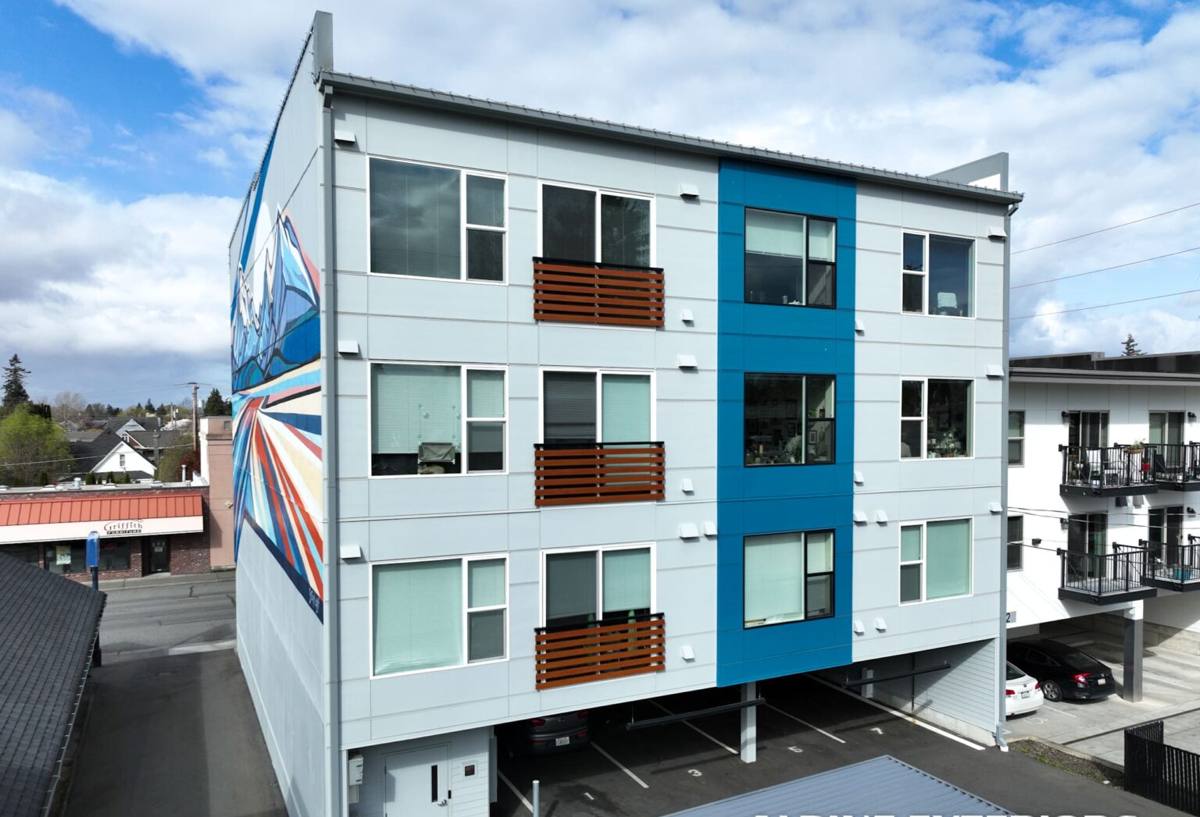
Custom doesn't have to mean expensive or unusual. For most Lynden homes it means the window is sized, shaped, and detailed to fit the actual opening and the actual house — not squeezed into a stock size with extra trim to hide the gap. That matters more here than in drier climates, because every seam and gap is a place water can get in and sit.
Common custom window jobs we see around Lynden
- Replacing old aluminum or single-pane wood windows with properly flashed, insulated units in the original rough openings
- Odd-sized or out-of-square openings on older farmhouses and older platted homes where nothing is a standard size anymore
- Picture windows and larger fixed units to open up a view without adding a wall of maintenance
- Bay and bow window replacements where the original build wasn't flashed correctly the first time
- Matching window style and grid pattern across additions built at different times
Why Coastal Moisture Changes the Job
The single biggest mistake we see on older Lynden-area homes isn't the window itself — it's what's happening around it. A window can be excellent and still fail early if the flashing, sill pan, and sealant underneath it were done wrong or have broken down. In a climate with this much sustained rain and humidity, water doesn't need a big opening to cause damage. It needs time, and this area gives it plenty.
What a correct installation includes
- A sloped sill pan under every window so any water that gets past the sash drains back out, not into the wall
- Proper flashing tape and house wrap integration so the window is shingled into the wall's drainage plane correctly
- Backer rod and exterior-grade sealant sized for the actual gap, not just caulk smeared over a joint
- Correct shimming and squaring so the sash operates smoothly and doesn't bind or gap under seasonal wood movement
- Interior and exterior trim sealed and primed on all cut edges before installation, not after
Skip any one of these steps and the window can look fine for a year or two while moisture quietly works into the framing behind it. By the time you see staining or soft wood on the interior sill, the damage is usually already into the wall cavity.
Frame Material: What Holds Up Near the Water
We get asked a lot whether vinyl, fiberglass, or wood is the right call for a Lynden home. The honest answer depends on the house and the budget, but the salt air and moss season do narrow the field.
| Frame Material | How It Handles Local Climate | Trade-Offs |
|---|---|---|
| Vinyl | Won't rot or corrode from salt air; good value; low maintenance | Can expand/contract more with temperature swings; color options are more limited |
| Fiberglass | Very stable dimensionally, resists moisture and salt exposure well | Higher upfront cost than vinyl |
| Wood (clad or unclad) | Classic look, good insulator; clad exteriors resist weather better than bare wood | Bare wood needs regular repainting/sealing here or it will absorb moisture and invite moss growth around joints |
| Aluminum | Strong, slim sightlines | Poor insulator and prone to condensation in our humid, cool climate — we generally don't recommend it for full window replacements here |
For most Lynden homeowners we talk to, vinyl or fiberglass wins on the maintenance-to-cost ratio. If you love the look of real wood, wood-clad windows give you that on the interior while putting a weather-resistant material on the exterior face that actually has to fight the climate.
Glazing and Glass Choices That Matter Here
Double-pane, low-E glass is the baseline we'd recommend for anyone replacing windows in this part of Whatcom County — the insulating value pays for itself in comfort and lower heating bills through our long, damp winters. A few details beyond that are worth knowing:
Practical glazing considerations
- Argon or krypton gas fill between panes adds insulation value with no visible difference — worth it on most budgets
- Low-E coatings cut UV fading on floors and furniture and help regulate heat gain, which matters even in a mild climate
- Condensation resistance is a bigger deal here than in drier regions — a poorly sealed unit will fog between the panes within a few years in this humidity
- Tempered glass is required by code in certain locations (near doors, low to the floor, in bathrooms) — worth confirming during design, not after ordering
Moss, Algae, and Frame Upkeep
Moss doesn't just grow on roofs around here. It takes hold anywhere there's shade, moisture, and a rough surface to grip — window sills, exterior trim, and the top edges of frames on the north and west sides of a house are common spots. It's mostly a cosmetic issue on the window itself, but it holds moisture against the surface longer, which shortens the life of caulking and paint and can accelerate wood decay on unclad trim.
A few habits go a long way in this climate: keep gutters and downspouts clear so runoff isn't sheeting across window heads, rinse pollen and organic buildup off sills a couple times a year, and recaulk exterior joints on a wood-trimmed window before you see gaps, not after. None of this is glamorous, but it's cheaper than replacing rotted trim.
Our Process for a Lynden Window Job
- On-site assessment — we look at existing window condition, framing, and any signs of past water intrusion before recommending anything
- Measure and quote — exact rough opening measurements, material and glazing options, and a written price with no surprise add-ons
- Order and schedule — custom units are built to your openings; we'll give you a realistic lead time up front
- Removal and prep — old windows come out carefully, and we inspect the framing underneath for rot or moisture damage before anything new goes in
- Installation — sill pan, flashing, shimming, and sealing done in the correct order, every time, not shortcuts to save an hour
- Final walkthrough — we check operation, seals, and trim with you before we call the job done
Why Local Installation Experience Matters
A window installer who mostly works drier inland climates can put in a technically fine window and still get the flashing detail wrong for this area, because they're not used to building for sustained wind-driven rain off the water. Crews that work Birch Bay, Lynden, and the surrounding Whatcom County towns regularly see what actually fails here — which sills rot first, which corners let water in, which caulk joints give out early — and build around those failure points as a matter of habit, not as an afterthought.
That local pattern recognition is worth as much as the window brand itself. A great window installed with the wrong flashing detail for this climate will still leak. A solid mid-range window installed correctly for coastal Whatcom County conditions will outlast it.
Signs Your Current Windows Need Attention
- Fogging or moisture between the panes (a failed seal, not something that can be cleaned)
- Soft or discolored wood on the interior sill or exterior trim
- Drafts you can feel near the frame even when the window is fully closed and locked
- Visible gaps in exterior caulking or trim separating from the siding
- Windows that are difficult to open, close, or lock — often a sign of frame swelling from moisture
- Persistent moss or dark staining around the frame that keeps coming back after cleaning
If you're weighing a window replacement or planning a custom installation for a Lynden-area home, we're happy to take a look and give you a straightforward, no-pressure estimate — just fill out the short form below.