 Birch Bay Siding
 Window Installation Built for Custer's Climate, Not a Catalog Climate
Custer sits a few miles inland from Birch Bay, but "inland" here doesn't mean sheltered. The same marine air that rolls off the Strait of Georgia and Birch Bay still reaches Custer's homes, carrying salt, near-constant moisture, and enough overcast, drizzly weather to keep everything damp for weeks at a time. Add in the mature tree cover common on Custer's larger rural and semi-rural lots, and you get the third ingredient: moss and algae that thrive in shaded, slow-drying wood and vinyl trim.
Windows take the brunt of all three. A window that's rated fine for a dry-climate spec sheet can still fail early in Whatcom County if it's installed without the right flashing, sealing, and drainage details for our conditions. This page is about what Window Installation actually needs to look like for a Custer home — not a generic overview, but the specifics that matter here.
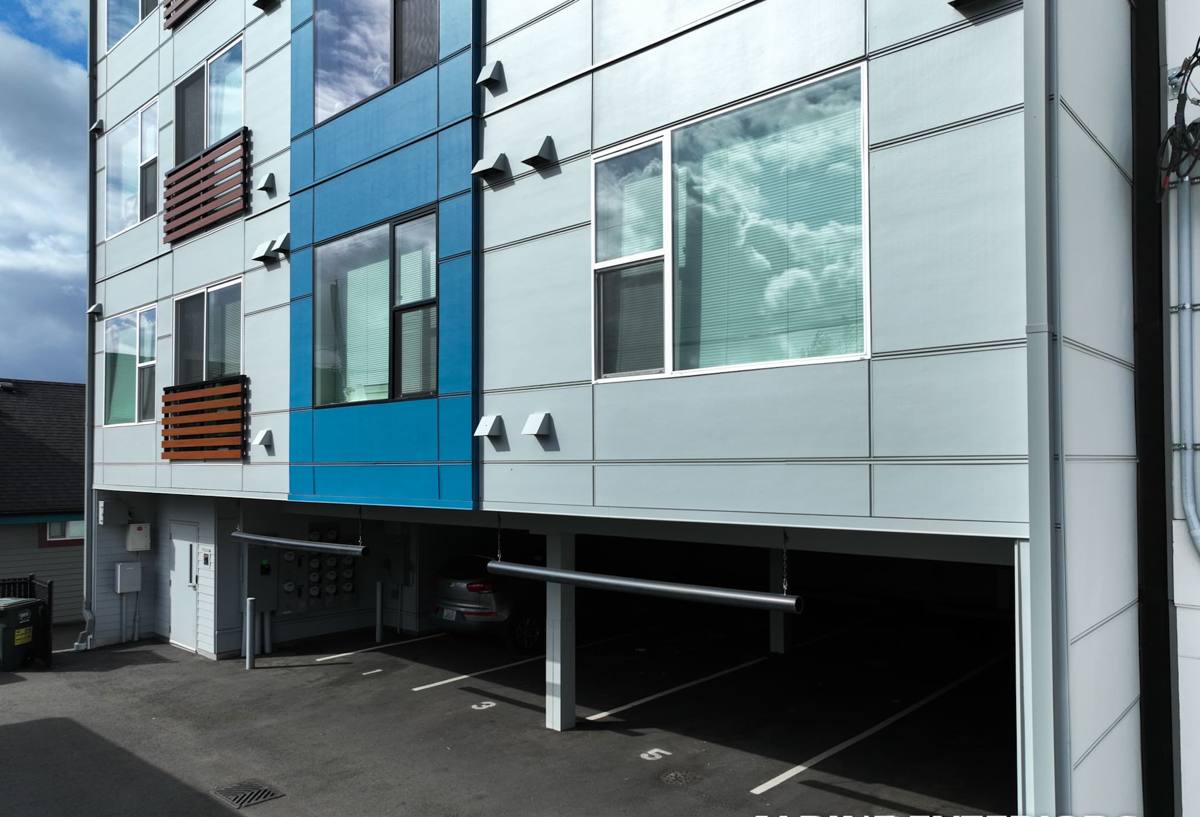
What Actually Goes Wrong With Windows in This Area
Most window failures we see in and around Custer aren't caused by bad windows — they're caused by installations that didn't account for how much water this region throws at a house over a year. Driving rain doesn't just fall straight down; wind pushes it sideways and up under trim, sills, and poorly lapped flashing. A window can look fine from the outside for years while water is slowly working its way behind the frame.
- Soft or discolored trim and sill boards below or beside the window
- Paint or caulk that's cracking, bubbling, or pulling away from the frame
- Fogging or condensation between the panes of a double-pane unit (a sign the seal has failed)
- Drafts or a cold feeling near the window even when it's fully closed and locked
- Moss or dark streaking building up on the sill or the wall just below the window
- Difficulty opening, closing, or latching a window that used to operate smoothly
Any one of these on its own might just mean the window is due for maintenance. Several at once, especially combined with soft framing when you press on it, usually means water has already gotten past the exterior finish and into the wall assembly — and that's a repair job, not just a window swap.
What a Correct Installation Actually Involves
The window unit itself is a small part of the job. The bulk of what determines whether a window lasts 20+ years in this climate or starts leaking in five happens in the rough opening, before the new window ever goes in.
Flashing and Water Management
Every opening needs a drainage path that assumes water will get behind the trim eventually — because in a climate like ours, it will. That means sill pan flashing that slopes water back out and away from the framing, properly lapped house wrap or building paper at the head and jambs, and flashing tape sequenced so each layer sheds onto the one below it, never the reverse. Skip this step and no amount of caulk on the outside will keep water out long-term.
Air Sealing and Insulation
Gaps around the window frame need to be sealed with a proper low-expansion foam or backer rod and sealant — not stuffed with fiberglass insulation, which does nothing to stop air or moisture movement. A well-sealed window cuts drafts and also keeps warm indoor air from condensing against a cold frame in the winter, which is where a lot of interior mold and rot around windows actually starts.
Fit and Reveal
The window needs to be shimmed level, plumb, and square, with an even reveal all the way around so it operates correctly and the weatherstripping seals evenly. A slightly out-of-square install might still open and close today, but it stresses the frame and hardware over time and often shows up years later as a window that won't latch tight anymore.
Our Installation Process
- On-site assessment. We look at each opening individually — not every window on a Custer home is in the same condition, especially on older farmhouses with additions built at different times.
- Removal and opening inspection. Old windows come out carefully so we can check the framing underneath for hidden rot or past water damage before anything new goes in.
- Repair framing as needed. If we find soft or damaged framing, it gets addressed before the new window goes in — installing a new window into a compromised opening just hides the problem.
- Flash and prep the opening using a sequenced, sloped drainage path suited to our rain exposure.
- Set, shim, and fasten the window level, plumb, square, and to manufacturer spec for that unit.
- Seal and insulate the perimeter with appropriate low-expansion foam and exterior sealant rated for our temperature swings.
- Finish trim and final check, confirming smooth operation, tight seals, and clean sightlines inside and out.
Choosing the Right Window for a Custer Home
There's no single "best" window material — the right choice depends on your home's exposure, your maintenance appetite, and your budget. Here's how the common options hold up specifically against salt air, rain, and moss:
| Material | Moisture & Salt-Air Behavior | Maintenance | Typical Lifespan |
|---|---|---|---|
| Vinyl | Doesn't rot or corrode; performs well in salt air | Low — occasional cleaning | 20-30+ years |
| Fiberglass | Excellent moisture and temperature stability | Low | 30-40+ years |
| Aluminum | Can corrode/pit over time in salt-heavy coastal air unless well-finished | Moderate | 20-30 years, exposure-dependent |
| Wood / Wood-Clad | Attractive but needs a sound, unbroken exterior finish to resist our rain | High — regular paint/finish upkeep | Varies widely with maintenance |
We're generally cautious about unclad wood exteriors on homes with heavy tree shade or close coastal exposure — not because wood is a bad material, but because it demands consistent upkeep to keep water from finding the seams, and that upkeep is easy to fall behind on. If you love the look of wood, a wood-interior/clad-exterior window gives you that appearance inside with a lower-maintenance exterior facing the weather.
What Affects the Cost
Every job is different, but a few things consistently move the price on a window installation project:
| Factor | Why It Matters |
|---|---|
| Framing condition | Hidden rot found during removal adds repair scope before the new window can go in |
| Window material and glass package | Vinyl vs. fiberglass vs. wood, plus glazing upgrades, shift unit cost significantly |
| Opening size and type | Standard replacement openings cost less than structural changes or new openings |
| Number of windows | Bundling multiple windows in one visit reduces per-window labor cost |
| Access and story height | Second-story or hard-to-reach windows take more time and equipment |
We'll always give you a clear, itemized quote before work starts, and we'll flag any framing issues we find rather than quietly building around them.
Why a Crew That Already Works Custer Matters
Custer isn't downtown Bellingham and it isn't beachfront Birch Bay — it's its own mix of older rural properties, farmland-adjacent lots, and newer construction, often with more tree cover and more varied lot exposure than homes right on the water. A crew that regularly works this specific stretch of Whatcom County has already seen how these conditions play out on real homes: which orientations take the worst wind-driven rain, where moss builds up fastest under mature trees, and which older building details tend to hide water damage.
That local pattern recognition matters more than it sounds like it should. It's the difference between a standard install and one that's actually adjusted for the specific way weather hits your particular home.
Keeping New Windows Performing After Installation
A correctly installed window still benefits from basic upkeep in this climate. A little attention once or twice a year goes a long way:
- Rinse sills and tracks to clear salt residue and debris before it holds moisture against the frame
- Check and refresh exterior caulking at the trim edges if it starts to crack or pull away
- Clear moss or algae from sills and nearby siding promptly rather than letting it spread
- Test that weatherstripping still seals tightly, especially before winter
- Keep gutters and downspouts clear so roof runoff isn't sheeting down across upper windows
- Trim back branches or foliage that keep a window shaded and slow to dry after rain
None of this requires a professional visit — it's the kind of five-minute maintenance that keeps a properly installed window performing for decades instead of years.
If your Custer home has windows showing any of the warning signs above, or you're just ready to stop fighting drafts and fogged glass, we're happy to take a look. We offer free, no-pressure estimates — walk the house with us, get a straight assessment of what each window actually needs, and decide from there. Use the form below to get started.