 Birch Bay Siding
 Siding Installation Built for Cottonwood Beach's Shoreline Climate
Cottonwood Beach sits close enough to the water that homes here take a different kind of weathering than siding installed a few miles inland. Salt-laden air moves through every day, wind-driven rain hits walls at an angle instead of falling straight down, and the shaded, damp stretches of the year give moss and algae a long runway to establish themselves on anything that stays wet too long. Any siding installation in this pocket of Whatcom County has to be planned around those three realities, not just around how the finished wall looks.
A siding job done to a generic standard can look fine for the first year or two and still fail early here, because the failure points in a salt-air, high-moisture environment aren't cosmetic — they're at the seams, the fasteners, and the water management layer behind the boards. That's the part of the job most homeowners never see, and it's the part that determines whether a wall lasts fifteen years or forty.
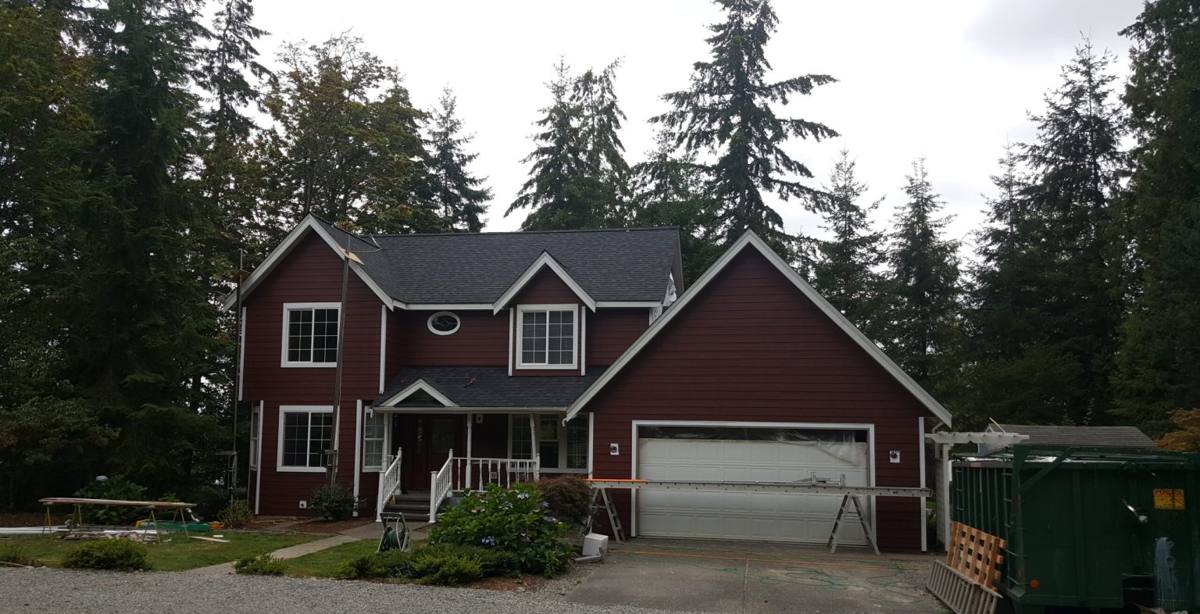
What "Correct" Actually Means for a Cottonwood Beach Home
Moisture Management Comes Before Aesthetics
Before any siding panel goes up, the wall needs a properly lapped water-resistive barrier, correctly integrated flashing at every window, door, and penetration, and a drainage plane that lets any moisture that gets behind the cladding find its way back out. In a marine climate like Birch Bay's, skipping or rushing this step is the single biggest reason siding installations fail early — not the siding material itself.
Fastening and Clearances Matter More Near the Water
Salt air accelerates corrosion on fasteners and trim hardware that aren't rated for coastal exposure. Correct installation means corrosion-resistant fasteners, proper nail placement per the manufacturer's fastening schedule, and maintaining the manufacturer-specified clearance between siding and grade, decks, roof lines, and other transitions so water has somewhere to go instead of wicking into the bottom edge of the boards.
Ventilation Behind the Cladding
A rainscreen gap — a small vented space between the water-resistive barrier and the back of the siding — lets incidental moisture evaporate instead of sitting against the wall. In a location that sees extended damp, low-sun stretches for much of the year, that airflow is what keeps the wall assembly dry enough that moss, mildew, and rot don't get a foothold.
Why We Install Only James Hardie Fiber Cement Here
We standardized our crew on James Hardie fiber cement siding, and we don't install vinyl, LP SmartSide, Cemplank, Allura, primed spruce, or cedar. That's not a marketing position — it's a decision based on what holds up under repeated salt exposure, driving rain, and a moss season that can stretch across much of the year in this part of Whatcom County.
Hardie's fiber cement is non-combustible and dimensionally stable, meaning it doesn't expand, contract, warp, or cup the way wood-based products can when they cycle between wet and dry. The factory-applied ColorPlus finish is baked on under controlled conditions, which gives it better adhesion and fade resistance than field-applied paint — an advantage that matters in a climate where a wall can stay damp for days at a stretch. Hardie also engineers specific product lines for different climate exposures, including versions built for wetter, harsher regions, which is directly relevant to a shoreline location like Cottonwood Beach.
None of this means other products are worthless — cedar has real appeal, vinyl is inexpensive, and engineered wood has its fans. But cedar demands ongoing refinishing to resist moisture and moss in this climate, vinyl can become brittle and its seams are a long-term water-entry risk in driving rain, and engineered wood siding is more sensitive to sustained moisture exposure at cut edges and seams if installation and maintenance aren't kept up. We'd rather install one product correctly and stand behind it than offer five options and hope the maintenance gets done.
Material Comparison for a Salt-Air, High-Moisture Location
| Material | Moisture Behavior | Salt-Air Durability | Maintenance Burden |
|---|---|---|---|
| James Hardie fiber cement | Dimensionally stable, non-combustible, engineered for wet climates | Strong; factory finish resists coastal weathering | Low — occasional rinse, no refinishing |
| Vinyl | Can warp or become brittle with UV and temperature cycling | Seams are a long-term water-entry risk under driving rain | Low, but limited lifespan in harsh exposure |
| Cedar | Absorbs moisture; prone to swelling and rot without upkeep | Vulnerable to moss and mildew in shaded, damp areas | High — regular refinishing and sealing |
| Engineered wood (LP SmartSide, etc.) | Sensitive to sustained moisture at cut edges/seams | Moderate; depends heavily on installation and upkeep | Moderate — edge sealing and inspection required |
Our Process for a Cottonwood Beach Project
Every home is different, but the sequence we follow near the water is built specifically around limiting the time the wall assembly is exposed to weather and getting the water management layer right the first time.
- Site walk and exposure assessment — we look at which elevations take the most wind-driven rain and salt spray, existing moisture or moss staining, and any prior water damage around windows, trim, or the foundation line.
- Tear-off and sheathing inspection — old siding comes off in sections, not all at once, so the wall isn't left exposed to weather longer than necessary; sheathing is checked for hidden rot before anything new goes on.
- Water-resistive barrier and flashing — a continuous, correctly lapped barrier with proper flashing at every penetration, sized and installed to manufacturer spec.
- Rainscreen furring — a vented gap installed behind the Hardie boards to let the wall breathe and dry.
- Hardie panel and trim installation — fastened per manufacturer schedule with corrosion-resistant hardware and correct clearances at grade, decks, and roof lines.
- Caulking, touch-up, and final inspection — factory-matched touch-up paint at cut edges, sealant at joints, and a walk-through before we call it done.
Maintenance in a Moss-Prone, Salt-Air Environment
Even the right siding material needs basic upkeep to perform for its full lifespan in this climate. Hardie siding needs far less attention than wood or vinyl, but "less" isn't "none."
- Rinse salt residue off the siding a couple of times a year, especially on elevations that face open water or prevailing wind.
- Keep gutters clear so overflow doesn't run down the wall face and feed moss growth at the base of the siding.
- Trim back vegetation and tree cover that keeps a wall section shaded and damp longer than the rest of the house.
- Inspect caulking at trim joints and penetrations annually, since sealant is the one component that does wear out over time.
- Address any moss or algae growth early with a gentle wash rather than pressure-washing directly into seams.
Why Hiring a Crew That Already Works Cottonwood Beach Matters
Siding installation isn't just a manufacturer's spec sheet applied the same way everywhere — the right details shift based on how exposed a specific wall or elevation is. A crew that already works this stretch of coastline knows which sides of a Cottonwood Beach home typically take the worst of the wind and rain, how much clearance to build in around decks and lower-level walls, and where moss tends to establish first based on shade and airflow patterns that repeat from house to house in this neighborhood.
That local pattern recognition shows up in small decisions — extra attention to flashing on the water-facing elevation, fastener choices that account for salt exposure, rainscreen detailing tuned to how damp a specific lot stays through the year. Those are the decisions that separate a siding job that looks good at handoff from one that still looks good in fifteen years.
What Drives Cost on a Cottonwood Beach Siding Project
| Factor | Why It Matters Here |
|---|---|
| Home size and elevation count | More wall area and more corners/elevations mean more flashing and trim detail work |
| Tear-off and sheathing condition | Hidden moisture or rot found during tear-off adds repair scope before new siding goes on |
| Exposure level | Homes closer to open water or prevailing wind may need additional flashing and clearance detailing |
| Trim and architectural detail | Dormers, bays, and multiple roof lines increase flashing points and labor time |
| Access and site conditions | Slopes, tight lot lines, and staging space affect scaffolding and material handling |
Every one of these factors gets reviewed on-site before we give a number — broad ranges without seeing the actual walls and exposure aren't useful to you, and we'd rather walk the property first.
Get a Straight Look at Your Home Before You Decide Anything
If your Cottonwood Beach home is due for new siding, or you're seeing early moss, staining, or soft spots on the current siding, it's worth having a crew that works this specific stretch of Birch Bay take a look before you commit to a product or a plan. We'll walk the exposure on your particular lot, explain what we're seeing, and give you a straightforward, no-pressure estimate using the form below.