 Birch Bay Siding
 Cherry Point's Coastline Is Hard on Siding
Cherry Point sits along the Strait of Georgia shoreline in Whatcom County, just up the coast from Birch Bay proper. Homes out here get the full marine exposure package: salt-laden wind coming straight off the water, long stretches of driving rain through fall and winter, and a moss season that can run most of the year on north- and west-facing walls. That combination is tougher on exterior siding than most inland Whatcom County neighborhoods ever see, and it's exactly the environment James Hardie fiber cement was engineered to handle.
We install James Hardie siding exclusively, and Cherry Point is one of the areas where that decision shows its value most clearly. This page walks through what the local climate actually does to siding over time, what correct Hardie installation looks like for a coastal property like this, and how our process works from first estimate to final walk-through.
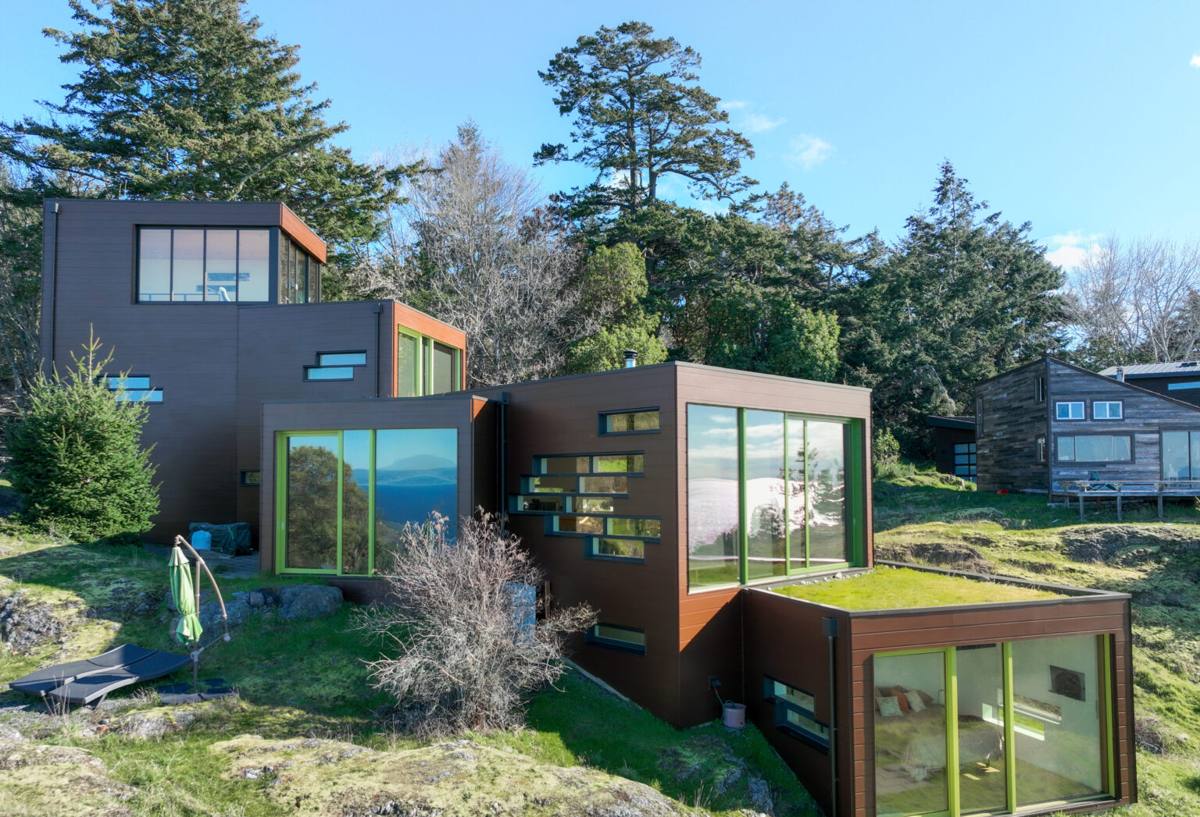
What Salt Air, Rain, and Moss Actually Do Over Time
Salt Air
Airborne salt doesn't just sit on a wall — it works its way into seams, fastener heads, and any place moisture can collect. On products that rely on paint film alone for protection, salt exposure accelerates coating breakdown, which opens the door to moisture getting behind the material. Metal fasteners and trim in a salt-air environment also corrode faster than the same materials would a few miles inland.
Driving Rain
Birch Bay and Cherry Point both catch wind-driven rain that comes in at an angle rather than falling straight down. That matters because it pushes water into laps, joints, and butt seams that a calmer rain would never reach. Siding systems that aren't installed with the right overlaps, flashing, and gapping can end up taking on water at exactly those points — and once water gets behind siding, the sheathing and framing underneath pay the price long before the siding itself shows obvious damage.
Moss and Constant Moisture
Whatcom County's wet season keeps shaded and north-facing walls damp for long stretches, which is ideal growing conditions for moss and algae. On some siding materials, that constant moisture load leads to swelling, softening, or paint failure. Moss also holds moisture against the wall surface even after the rain stops, extending the time any given section of siding stays wet.
Why We Standardized on James Hardie for Coastal Homes
James Hardie fiber cement is made from cement, sand, and cellulose fibers — a composition that doesn't rot, doesn't support pest activity, and isn't fuel for the kind of moisture-driven decay that affects wood-based and some engineered wood siding products in coastal climates. Hardie's HZ5 product line is specifically formulated for regions with cold, wet weather patterns like the Pacific Northwest, which is the version we install here.
Two other factors matter specifically for a salt-air, high-moisture area like Cherry Point:
- ColorPlus Technology finish — a factory-applied, baked-on finish that resists fading and holds up to UV and moisture exposure better than field-applied paint, with a finish warranty backed by the manufacturer.
- Non-combustible composition — not a coastal-specific benefit, but relevant anywhere in Whatcom County given regional wildfire risk in dry summer stretches.
- Dimensional stability — fiber cement doesn't swell and contract with moisture the way wood-based products can, which matters when a wall is cycling between soaked and dry through a Pacific Northwest winter.
We don't install vinyl, LP SmartSide, Cemplank, Allura, primed spruce, or cedar. Each of those has legitimate uses elsewhere, but in a marine environment like Cherry Point, we've made James Hardie our standard because it holds up to this specific combination of salt, rain, and moss better than the alternatives, and because it comes with a strong transferable warranty when installed to spec.
What a Correct Installation Involves
Fiber cement siding is only as good as its installation. In a coastal wind-and-rain environment, the details that get skipped on a rushed job are exactly the details that cause problems two or three winters later. A correct Hardie install on a Cherry Point home includes:
| Installation Detail | Why It Matters Here |
|---|---|
| Proper weather-resistive barrier and flashing at all penetrations | Driving rain finds any gap around windows, doors, and vents first |
| Correct nail placement and fastener spacing per Hardie spec | Under- or over-driven fasteners create entry points for moisture and salt corrosion |
| Minimum clearance from grade, decks, and roof lines | Keeps siding out of standing water and splash-back zones common near the shoreline |
| Proper caulking at butt joints, or gapped and flashed per Hardie's alternative method | Prevents water intrusion at the seams rain is most likely to hit at an angle |
| Painting cut edges before installation | Factory finish doesn't cover field cuts — an exposed edge is a moisture entry point |
None of this is exotic. It's the manufacturer's own installation spec. But it's also the first thing that gets shortcut on a crew that's trying to move fast, and it's the difference between a Hardie installation that lasts decades in this climate and one that develops moisture problems within a few years despite using the right product.
Our Process for Cherry Point Homes
1. On-Site Assessment
We look at the existing siding, sheathing condition, and any problem areas specific to the home's exposure — which walls take the worst of the wind-driven rain, where moss buildup is heaviest, and whether there's any existing moisture damage that needs to be addressed before new siding goes on.
2. Product and Color Selection
We walk through the HardiePlank, HardiePanel, and HardieShingle options along with ColorPlus color choices, and talk through what fits the home's style and the realities of a salt-air environment.
3. Written Estimate
A clear scope of work and cost breakdown — no vague allowances, no pressure to sign on the spot.
4. Installation to Manufacturer Spec
Proper flashing, fastening, clearances, and joint treatment as outlined above, done by installers who work this coastline regularly and know where a Cherry Point home is going to take the most weather.
5. Final Walk-Through
We go over the finished work with the homeowner before calling the job done.
Why a Crew That Already Works Cherry Point Matters
Siding installation isn't identical from one neighborhood to the next. A crew that's used to inland Whatcom County jobs may not automatically account for how much more aggressive salt exposure and wind-driven rain are on a shoreline property. Working this stretch of coastline regularly means we already know:
- Which orientations on a typical Cherry Point lot take the worst of the wind and rain
- Where moss and algae growth tends to concentrate given the local tree cover and shade patterns
- How salt exposure affects fastener and trim choices over the life of the siding
- What clearance and drainage details matter most for homes close to the shoreline
That local familiarity doesn't replace following the manufacturer's installation spec — it's what makes sure the spec gets applied correctly to the specific conditions this property faces.
Maintenance Checklist for Cherry Point Homeowners
James Hardie siding is low-maintenance compared to wood-based alternatives, but "low-maintenance" doesn't mean "no maintenance" in a marine climate. A simple annual routine keeps siding performing the way it's supposed to:
- Rinse down siding once or twice a year to remove salt residue and airborne grime, especially on walls facing the water
- Check caulking at butt joints and around windows/doors for cracking or separation
- Look for moss or algae buildup on shaded walls and clean it before it holds moisture against the surface long-term
- Keep gutters and downspouts clear so water isn't sheeting down the siding face
- Trim back vegetation that's keeping any section of wall shaded and damp
- Inspect trim and fastener areas periodically for early signs of corrosion or paint wear
What This Costs to Get Right
Every home is different, and final pricing depends on square footage, existing wall condition, trim complexity, and product selection. In general terms, correct installation costs more up front than a rushed job on a cheaper product, but it also avoids the repair and premature replacement costs that show up when moisture gets behind siding in a climate this wet. We'll give you a specific, itemized number after we've actually looked at the house — not a ballpark pulled out of thin air.
If you're planning a siding project for a Cherry Point home, we're happy to come take a look and put together a free, no-pressure estimate. There's no obligation — just a straight assessment of what your home needs and what it would take to do it right.