 Birch Bay Siding
 Roofing Built for the Way Sumas Weather Actually Behaves
Homes in and around Sumas deal with a specific mix of weather stress: long stretches of driving rain, salt-tinged air moving in off the water, and a moss season that can run most of the year in shaded, north-facing sections of a roof. None of that is dramatic on its own, but together it wears down a roof faster than most homeowners expect. Asphalt shingles handle this climate well when they're installed correctly, with the right underlayment, ventilation, and edge details. When those details get skipped, the shingles themselves usually aren't the problem — the installation is.
We install asphalt shingle roofs for homeowners throughout Whatcom County, and Sumas is part of our regular service area. That matters more than it sounds like. A crew that only shows up once and moves on doesn't build a feel for how a specific area's weather patterns actually stress a roof over time. We do.
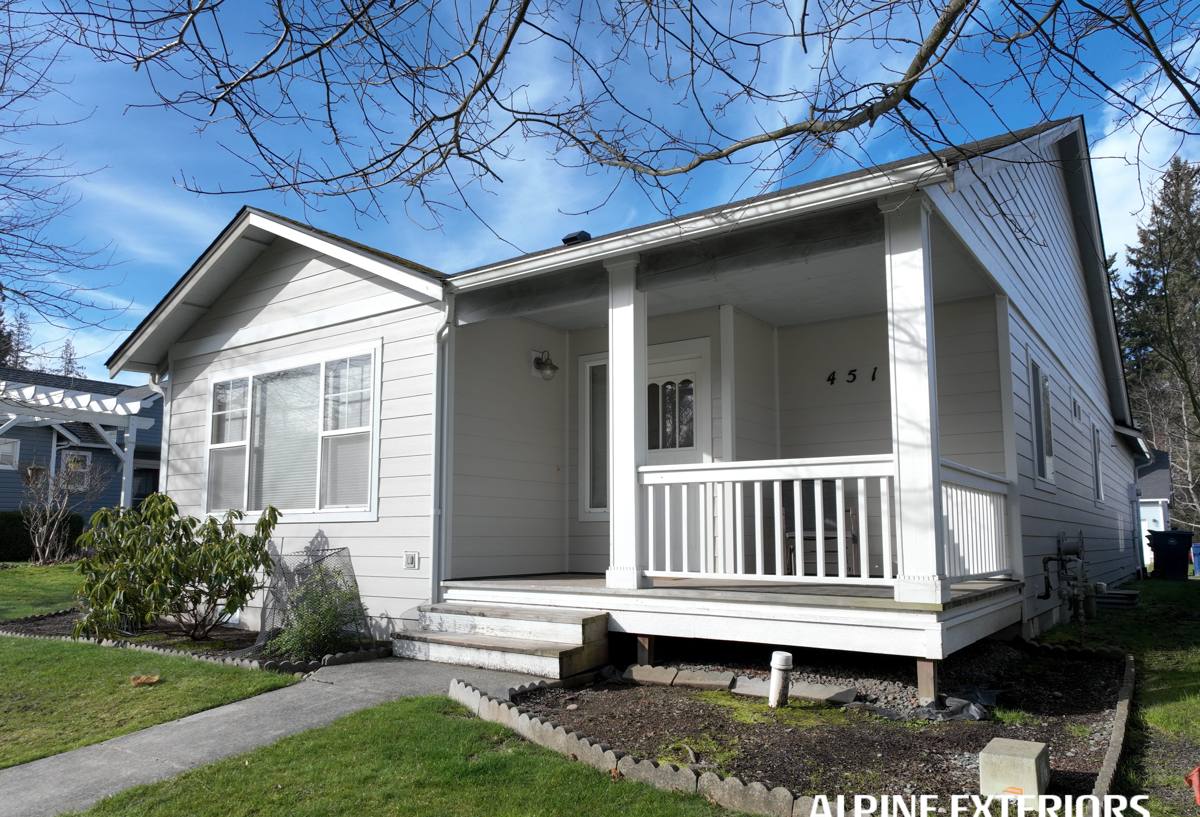
What a Sumas Roof Needs From Its Shingles
Not every asphalt shingle product is built the same way, and not every roofing detail matters equally in every climate. In this region, three things do most of the work:
Wind and Rain Resistance
Sustained wind combined with heavy, sideways rain is a rough combination for any roofing material. Shingles need a strong wind rating and — just as important — a sealant strip that actually bonds the way it's supposed to. Proper nailing pattern and placement matter here as much as the shingle brand does.
Moisture Management, Not Just Shedding
A shingle roof isn't just a surface that sheds water — it's a system. Underlayment, flashing, and ventilation all work together to keep moisture from getting trapped under the shingles or in the attic. In a climate with this much sustained dampness, a roof that only "looks" watertight but breathes poorly will show mold, rot, or premature shingle failure well before its expected lifespan is up.
Moss and Algae Resistance
Shaded roof sections and north-facing slopes in this area are prone to moss and algae growth, especially where tree cover blocks sun and airflow. Left unaddressed, moss holds moisture against the shingle surface and can lift shingle edges over time, which is exactly the kind of small problem that turns into a leak.
Signs a Sumas Roof Needs Attention
Most roofing problems don't start as leaks — they start as small, visible warning signs. If you're seeing any of these, it's worth having someone take a look before the next storm season:
- Granules collecting in gutters or at downspout outlets
- Shingles that look curled, cupped, or lifted at the edges
- Dark streaking or green moss buildup, especially on shaded slopes
- Soft spots or sagging when walked, or visible dips from the ground
- Daylight visible through the attic roof deck
- Water stains on interior ceilings, even faint ones
- Missing or damaged shingles after a windstorm
Our Asphalt Shingle Roofing Process
We keep the process straightforward and communicate what we're doing at each stage — you shouldn't have to guess what's happening on your own roof.
1. Inspection and Honest Assessment
We start by inspecting the existing roof, deck, and ventilation — not just the shingles. A roof replacement that ignores a rotted deck section or blocked ventilation is a roof replacement that fails early. We'll tell you plainly what we find, including anything that doesn't need to be replaced yet.
2. Tear-Off and Deck Check
We remove old roofing down to the deck so we can actually see what's underneath rather than layering new shingles over hidden problems. Any soft or damaged decking gets flagged and replaced before anything new goes down.
3. Underlayment and Flashing
This is where most of a roof's real weather resistance comes from. We install synthetic or self-adhering underlayment appropriate to the roof's exposure, with extra protection at eaves and valleys where wind-driven rain and ice tend to concentrate. New flashing goes in at chimneys, walls, and roof penetrations rather than reusing old, worn pieces.
4. Shingle Installation
Shingles go down with correct nail placement, exposure, and pattern per manufacturer specification — not just "close enough." This is the difference between a wind warranty that actually holds up and one that gets voided on a technicality after the first bad storm.
5. Ventilation Check
We check that intake and exhaust ventilation are balanced. Poor attic ventilation is one of the most common — and most avoidable — causes of premature shingle failure and moisture damage in this climate.
6. Final Walkthrough and Cleanup
We walk the finished roof, clear the site of debris and nails with a magnetic sweep, and go over what was done and what to expect going forward.
Comparing Shingle Options for This Climate
Asphalt shingles come in a few tiers, and the right choice depends on your roof's exposure, budget, and how long you plan to stay in the home.
| Shingle Type | Typical Lifespan | Best For | Trade-Offs |
|---|---|---|---|
| 3-Tab (Standard) | 15-20 years | Budget-conscious projects, simple roof lines | Lower wind rating, less impact resistance |
| Architectural (Dimensional) | 25-30 years | Most homes in this climate | Higher upfront cost than 3-tab, but better wind and weather performance |
| Premium/Designer | 30+ years | Steep or highly visible rooflines | Highest cost tier; benefit is mostly aesthetic plus added durability |
For most Sumas homes, we recommend architectural shingles. They handle wind-driven rain better than 3-tab products, hold up to moss and algae exposure more consistently, and the cost difference tends to pay for itself over the life of the roof rather than adding real long-term expense.
Moss Prevention Is Part of the Job, Not an Afterthought
Given how much moss pressure this area sees, we don't treat moss prevention as an optional add-on. Where it makes sense, we install zinc or copper strips near the ridge, which release trace metal ions that discourage moss and algae growth as rain washes over the roof. We'll also point out any overhanging branches or persistent shade patterns that are contributing to the problem — sometimes the most effective fix isn't on the roof at all.
If your current roof already has moss buildup, gentle removal and a soft wash (never high-pressure) can extend its remaining life, but a heavily colonized older roof is often a sign that replacement is closer than repair.
What Affects the Cost of a Shingle Roof
Every roof is different, so we don't quote sight unseen — but these are the main factors that move the price up or down:
| Factor | Why It Matters |
|---|---|
| Roof size and number of layers to remove | More tear-off labor and disposal cost |
| Roof pitch and accessibility | Steeper or harder-to-access roofs require more safety setup and time |
| Deck condition | Rotted or soft decking needs replacement before new shingles go down |
| Shingle tier selected | 3-tab, architectural, and premium products carry different material costs |
| Number of valleys, penetrations, and flashing points | Each one adds labor and material for proper waterproofing |
| Ventilation upgrades needed | Adding or correcting intake/exhaust vents affects scope |
We give straightforward, itemized estimates so you can see exactly what you're paying for — no vague lump sums.
Why Hiring a Crew That Already Works in Sumas Matters
Roofing crews that regularly work Whatcom County develop a feel for how local conditions actually affect a roof over time — which slopes hold moss longest, how much underlayment overlap is worth the extra material in this rainfall pattern, and where flashing tends to fail first on older homes in the area. That kind of judgment doesn't come from a spec sheet; it comes from doing the work here repeatedly.
It also means we're not disappearing after the invoice clears. If a warranty issue comes up or a storm causes damage down the line, we're still working in the same area and can respond without a long drive or a scheduling gap.
Quick Homeowner Checklist Before You Hire
- Ask for proof of licensing and insurance, and confirm it directly rather than taking a business card's word for it
- Get a written, itemized estimate — not a verbal ballpark
- Ask what underlayment and ventilation approach they plan to use, not just the shingle brand
- Confirm whether deck repair, if needed, is included or billed separately
- Ask how they handle unexpected issues found during tear-off
- Check that the manufacturer warranty terms are explained clearly, including what voids them
Get a Straightforward Estimate
If your Sumas home's roof is showing wear, or you'd simply like an honest read on how much life it has left, we're glad to take a look. There's no pressure and no obligation — just a clear assessment and a straightforward estimate you can use to decide what makes sense for your home. Fill out the form below to get started.